

Introduction to the Seven Years War
The Seven Years War (1756-1763) often sits in the shadow of its more famous offspring, the American Revolutionary War. Yet, to understand the profound shifts in global power that emerged in the late 18th century, one must first unravel the complex tapestry of the Seven Years War. This conflict was unlike any before it, a true global confrontation that spanned multiple continents and involved many of the world’s major powers. More than just a series of battles, it was a war that changed the course of history, establishing new dynamics in geopolitics, economy, and society.
The war’s significance extends far beyond its years. Marking a pivotal moment in history, the Seven Years War served as a precursor to modern warfare and international relations. Its origins lay in long-standing imperial rivalries and diplomatic failures, which would eventually lead to a tapestry of alliances and enmities that shaped the modern world. When you examine the ripple effects of the war, it becomes clear that its consequences reached far and wide, influencing revolutionary movements and economic shifts in ways that are often overlooked.
Many people may consider the Seven Years War a mere prelude to later conflicts. However, it laid the groundwork for the shifting balance of power in Europe and North America. The treaties that concluded the war not only redrew maps but also created a new paradigm for colonial ambitions and aspirations, as well as the social and economic implications that arose in its wake. The war deserves our attention, as its impact resonates even in today’s geopolitical landscape.
To grasp its full importance, it is essential to delve into the historical context that set the stage for such a monumental conflict.
The Historical Context and Its Importance
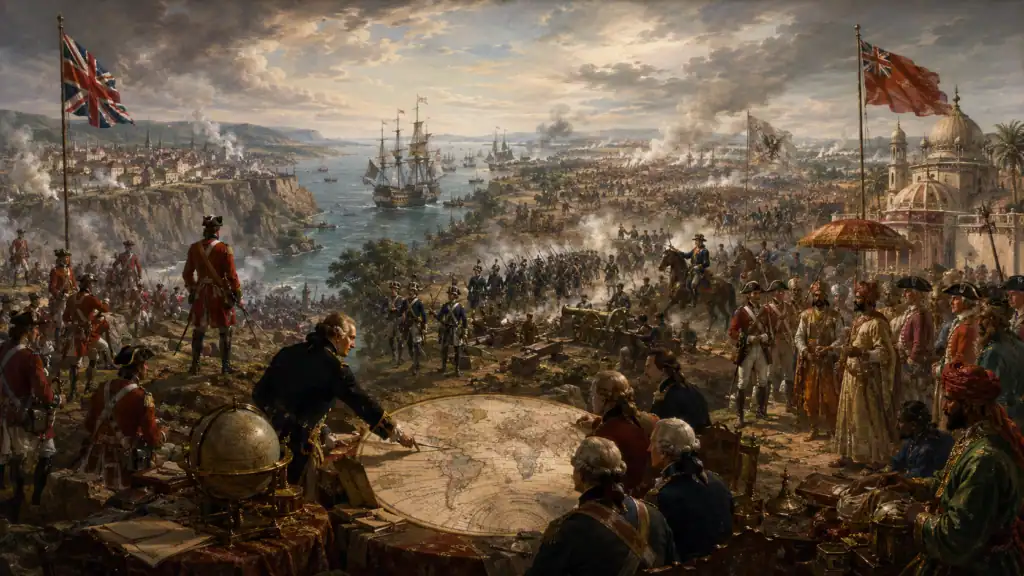
The landscape of the mid-18th century was fraught with tension among European powers, with Britain and France vying for colonial supremacy. Both empires sought to expand their territorial holdings, particularly in North America and India, where lucrative trade routes beckoned. This competitive spirit was not merely the product of ambition; it was rooted in economic necessity as nations scrambled for resources and wealth to fuel their growing empires. War was seen as an extension of diplomacy and trade, with armies and navies functioning as instruments of national policy.
The War of the Austrian Succession (1740-1748) can be viewed as an appetizer to the larger conflict that followed. Although that war concluded with the Treaty of Aix-la-Chapelle, it left many issues unresolved, breeding resentment and further competition. The strains between Britain and France were exacerbated by both nations’ alliances with other European powers, each addled by conflicting interests. This backdrop of rivalry would soon erupt into what we now identify as the Seven Years War, making its importance clear from the outset.
The war also acted as a crucible for emerging national identities. For soldiers and civilians alike, national pride became intertwined with the fortunes of war, leading to shifts in how citizens viewed their governments and their roles within the larger state. Propaganda, newspapers, and pamphlets began to inform the public perception of conflict, revealing how intertwined public sentiment and military strategy had become. By the end of the war, a sense of nationalism was beginning to awaken across Europe and its colonies, setting the stage for future upheavals.
Understanding this historical context is critical for appreciating how the Seven Years War fundamentally altered the trajectory of nations involved. The conflict acted as a catalyst for sociopolitical change, the effects of which would outlast its immediate fallout. As we explore how the war began and the forces driving it, we gain insights into its long-lasting impact on global history.
The Prelude to Conflict
The Role of Imperial Rivalries
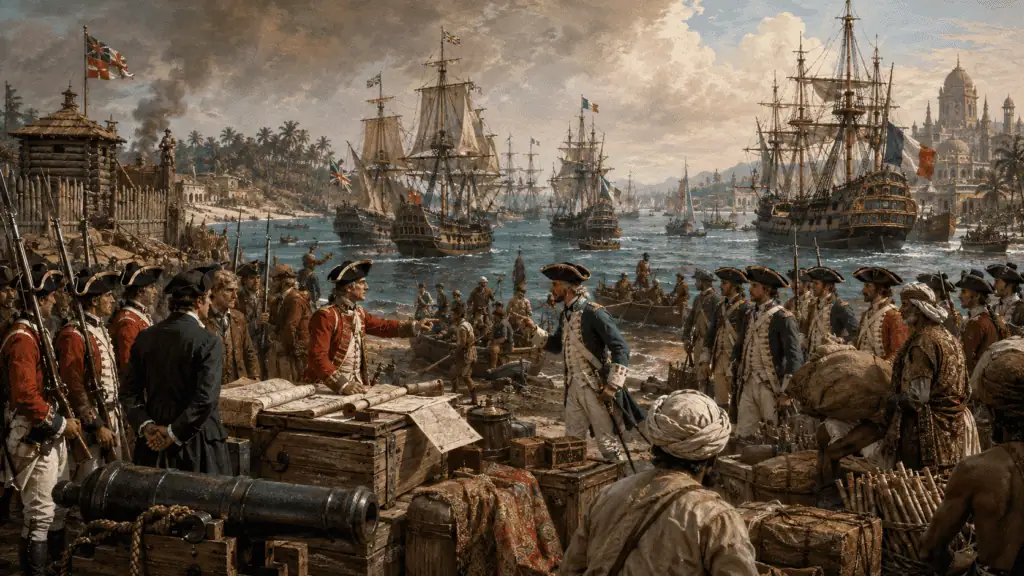
The Seven Years War did not emerge spontaneously; it was birthed from a landscape marred by imperial rivalries. The British and French empires were engaged in a fierce contest for global dominance, particularly in North America and the Caribbean. Both nations sought to expand their territories, leading to numerous skirmishes and conflicts in the years leading up to the war. In America, the Ohio River Valley became a focal point for competing colonial interests, with both sides eager to stake their claims.
Colonial governors and merchants often acted independently, fuelling tensions that would eventually spiral out of control. The French refused to share the territory with the British settlers, leading to confrontations that highlighted the need for military presence and imperial assertion. The British colonists viewed the French not just as rivals, but as barriers to their own westward expansion. This atmosphere of competition and hostility set the stage for an inevitable clash, as both empires geared up for war.
European alliances complicated this rivalry further. Britain was aligned with Prussia, while France turned to Austria and Russia. As tensions mounted, diplomatic exchanges failed to quell the imminent threat of conflict. National ambitions and local grievances converged, promoting a sense of urgency that propelled both empires toward war. The interconnected and multifaceted nature of these rivalries meant that the conflict would transcend national borders, becoming a global war that embroiled numerous nations.
Understanding the nature of these imperial rivalries is crucial for fully grasping the motivations fueling the Seven Years War. They highlight not only the stakes involved but also the human and societal costs that would unfurl as combat began. As we delve deeper into the diplomatic maneuvers of the time, it becomes clear that even at this juncture, the war was a product of failed diplomacy and the relentless ambition of powerful nations.
The Diplomatic Revolution
The stirrings of the Seven Years War were inextricably linked to a so-called ‘Diplomatic Revolution’ that unfolded in Europe prior to the conflict. Historically, alliances had often been consistent and predictable, with England and Prussia opposing France and Austria. However, the shifting loyalties and alliances among European powers created an atmosphere of uncertainty. The alliances were dramatically realigned with long-standing rivals choosing to side with one another: Britain aligned with Prussia, while France sought a friendship with Austria.
This realignment was significant for a multitude of reasons. It reflected the growing understanding that power dynamics could shift rapidly, leading to a more fluid and unpredictable geopolitical landscape. The implications were far-reaching, as suspicious nations circled one another like wary predators, ready to pounce at any sign of weakness. It introduced an element of instability into international affairs that would influence not just military strategies, but also how nations employed diplomacy.
The Diplomatic Revolution was also emblematic of the changing nature of political dynamics in Europe. It marked a departure from dynastic political arrangements and began to focus on state interests and strategic goals, which set the stage for modern diplomacy. In this new paradigm, alliances became less about heritage and lineage and more about pragmatic necessities. The lessons learned during this period would echo through history, influencing how alliances were navigated in future conflicts.
As the diplomatic landscape transformed, it became clear that the Seven Years War was not merely a clash over land but a complex engagement driven by political necessity. The failure to maintain balance among the powers, coupled with rising ambitions, ultimately carried nations into a war that was longer and more destructive than many had anticipated.
The Global Theatre of War Begins
Key Battles and Their Impact
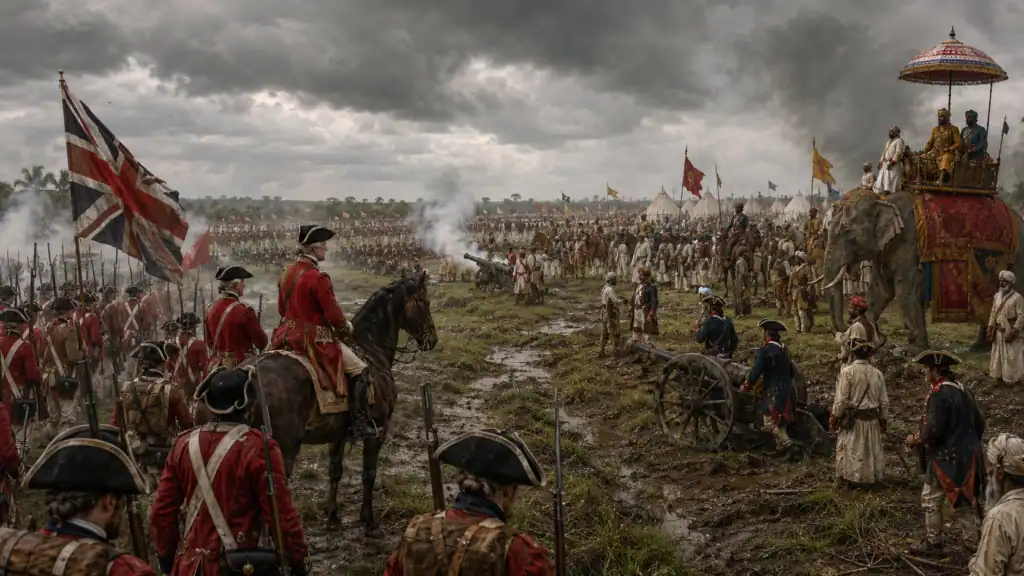
The Seven Years War could be described as the first ‘global war’ in which the combatants fought on multiple fronts, including Europe, North America, the Caribbean, West Africa, and India. As theatres of conflict opened up worldwide, a few key battles became emblematic of the war’s larger implications. One such major confrontation was the Battle of Plassey in 1757, which saw British forces decisively defeat the French and their Indian allies. This victory marked the beginning of British hegemony in India, altering the region’s socio-political landscape.
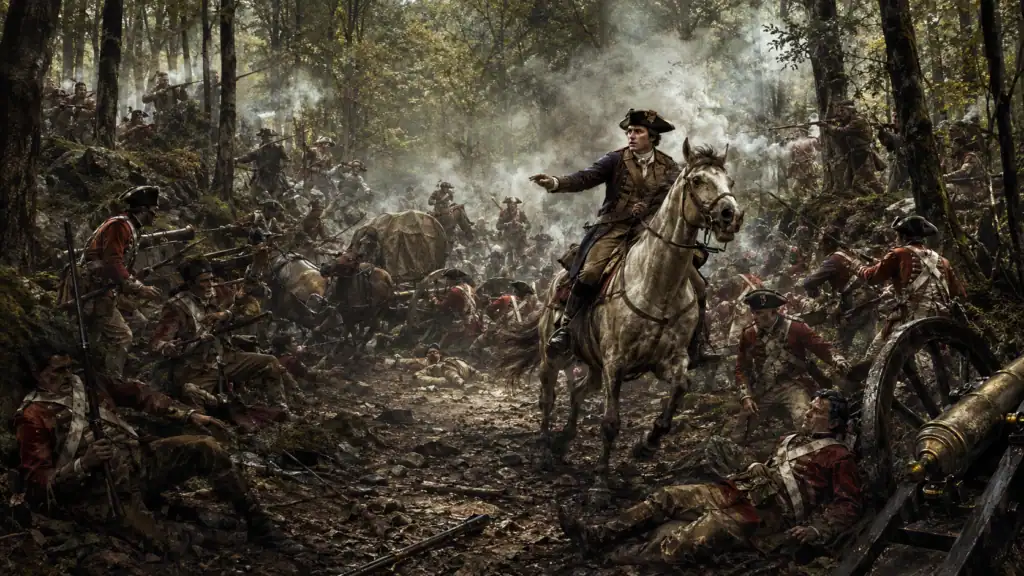
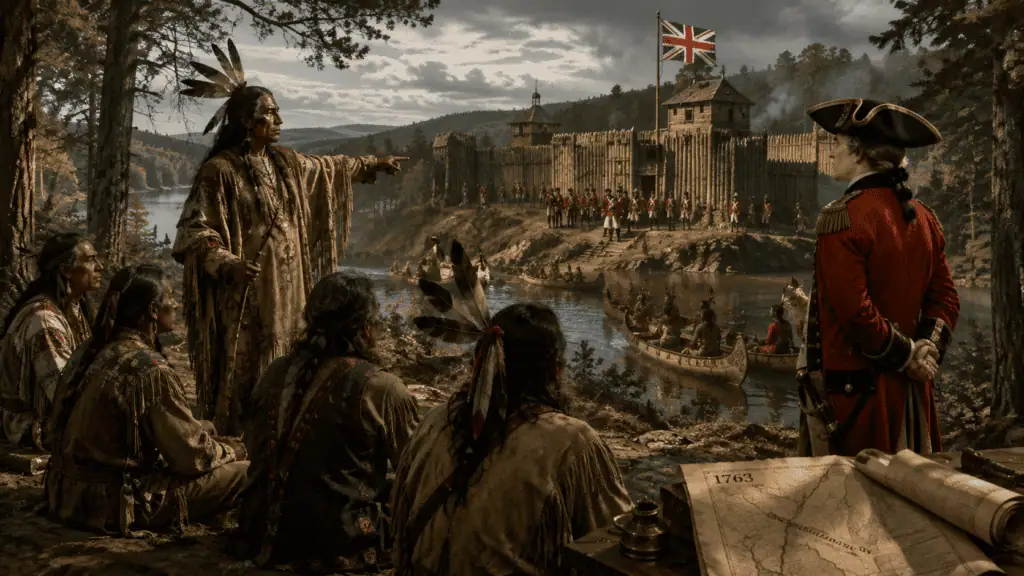
In North America, the War took on the form of the French and Indian War, where tactics would often shift from traditional European battlefield confrontations to guerrilla warfare. The British victory at Fort Duquesne, for example, highlighted the shifting strategies and alliances that characterized the conflict. It opened the path for the expansion of British colonies, positioning them favorably against not just French forces but also against native tribes aligned with the French.
Each key confrontation had its own tactical innovations and repercussions that not only shaped the immediate outcomes but altered the lives of everyone involved. The scale of the conflict necessitated an unprecedented coordination of military resources across continents, effectively globalising the strategies of warfare. The adaptability demonstrated by both sides served to illustrate the evolving character of warfare.
Amid these battles, the human experience was replete with stories of valor and despair. Civilian populations would find themselves in the crosshairs of military strategies, becoming casualties of a conflict defined by territorial ambition. Reflecting on these battles allows us to appreciate not just the political outcomes but also their enduring impacts on societies torn by the war.
The Influence of Naval Power
Naval power was one of the defining features of the Seven Years War, representing the strategic lifeblood for Britain and France. Dominance at sea would dictate the flow of supplies, reinforcements, and ultimately victory. British naval superiority was established through decisive victories, including the capture of French merchant ships and fortified ports, thereby crippling the French ability to wage an effective war.
The naval confrontations were particularly telling; the battle of Quiberon Bay in 1759, for example, ensured British control over the sea and matriarchal dominance in the colonies. By securing these maritime routes, Britain could project power effectively on multiple fronts, reinforcing their forces and establishing better supply lines. Such dominance allowed the British to effectively isolate French forces and influence global trade, shaping the contours of conflict and colonial ambitions.
The technological innovations during this period also shaped naval warfare. Improvements in shipbuilding, gunnery, and tactics elevated the importance of naval engagements, forcing nations to reconsider their strategies. France, while often outmatched, fought ferociously for its naval supremacy. The losses at sea not only weakened France militarily but also economically, hastening their decline as a colonial power.
The influence of naval power extended beyond the immediate conflict. The lessons learned in ship-to-ship combat, as well as the tactics employed in blockades, would carry through to future naval engagements in subsequent centuries. Understanding the role of naval dominance during the Seven Years War thus sheds light on how the very nature of warfare expanded beyond land battles, reshaping the future of military strategy and naval engagements in the years to come.
The Human Cost of War
Understanding Human Suffering
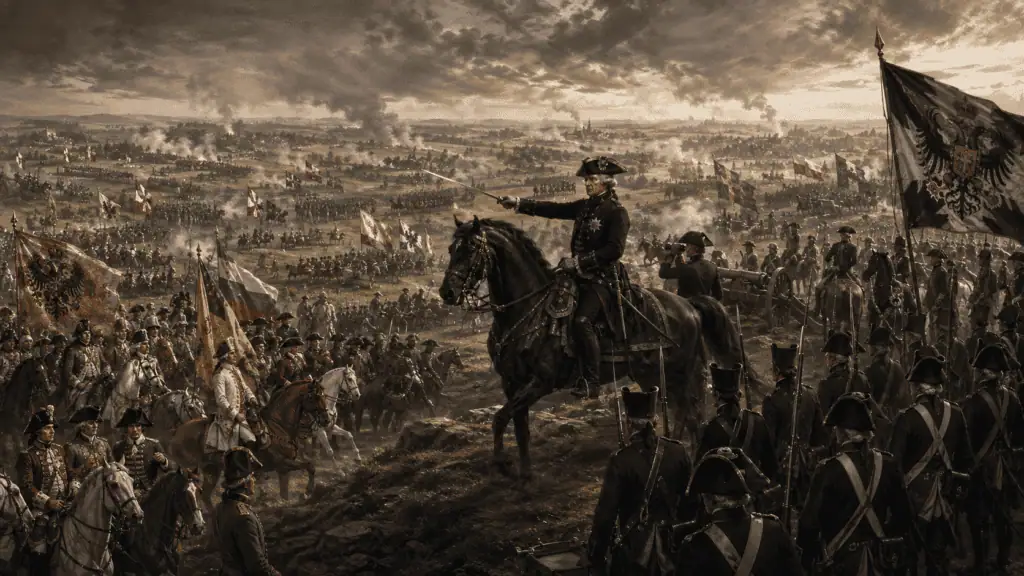
As we begin to unpack the human cost of the Seven Years War, we need to recognise that warfare is never merely a clash of armies. It is fundamentally a clash of lives, cultures, and societies. Civilian casualties were alarmingly high; in regions like North America, indigenous communities faced devastation as European powers waged their battles. Many native tribes, caught between the conflict of empires, faced displacement, loss of life, and erosion of their cultures.
In Britain and France, the toll was equally profound. Soldiers and their families endured the harsh realities of war, which extended well beyond the battlefield. Many soldiers returned home with debilitating injuries, both physical and psychological, marking them as the living reminders of a conflict fought over imperial ambition. This aspect of suffering is often overshadowed by the grand narratives of battles won and territories gained but deserves equal attention.
The economic implications of the war further exacerbated human suffering. As Britain sought to fund its military efforts, the burden often fell on the lower classes. Increased taxes and financial strain led to widespread hardship, particularly among the poorer segments of society. The conflict created a void whereby the so-called “war economy” reshaped social hierarchies, leading to tensions and resentment that would later serve as a catalyst for revolutionary sentiment.
Understanding the human cost of the Seven Years War allows us to appreciate how deeply intertwined the lives of soldiers, civilians, and indigenous populations were with the broader geo-political implications of conflict. It serves as a poignant reminder that behind every statistic lies a story, a struggle, and a legacy, often buried under the weight of historical narrative.
The Broader Societal Implications
The Seven Years War had far-reaching societal implications that extended well beyond its immediate devastation. This expansive conflict spurred changes in how societies functioned and interacted with the changing political landscape. In Britain, the war demanded an extraordinary mobilisation of resources, which prompted discussions surrounding the role and responsibilities of the government towards its citizens. This engagement marked a shift towards a more involved state—a notion that would echo loudly during the American Revolutionary movement that soon followed.
Moreover, as soldiers returned home from the front lines, they brought back not just stories but also new ideas. The experiences encountered abroad influenced not just military sentiments but also perceptions of governance and economy. Many soldiers returned with a growing awareness of their rights and a desire for change, contributing to a burgeoning sense of civil society and the public’s role in governance.
In France, the war laid bare the weaknesses of the monarchy as it struggled to finance military campaigns. This only served to intensify discontent among the populace and foster revolutionary ideas. The ideas of liberty, equality, and fraternity began to germinate in the minds of the people as they witnessed the effects of misgovernment and financial mismanagement wrought by a protracted conflict. The war, then, was not merely a means to an end but served as an incubator for revolutionary ideologies that would define the late 18th century.
Ultimately, the societal changes stemming from the war were significant in shaping national identities. They forced individuals to rethink allegiance and accountability, cultivating an understanding of the interconnectedness of fate between citizens and the state. The broader implications reveal that the Seven Years War was not just a military encounter but a transformative societal experience marked by enormous consequences, setting the stage for future uprisings and social movements.
Treaties and Reshaping Alliances
The Treaty of Paris and Its Consequences
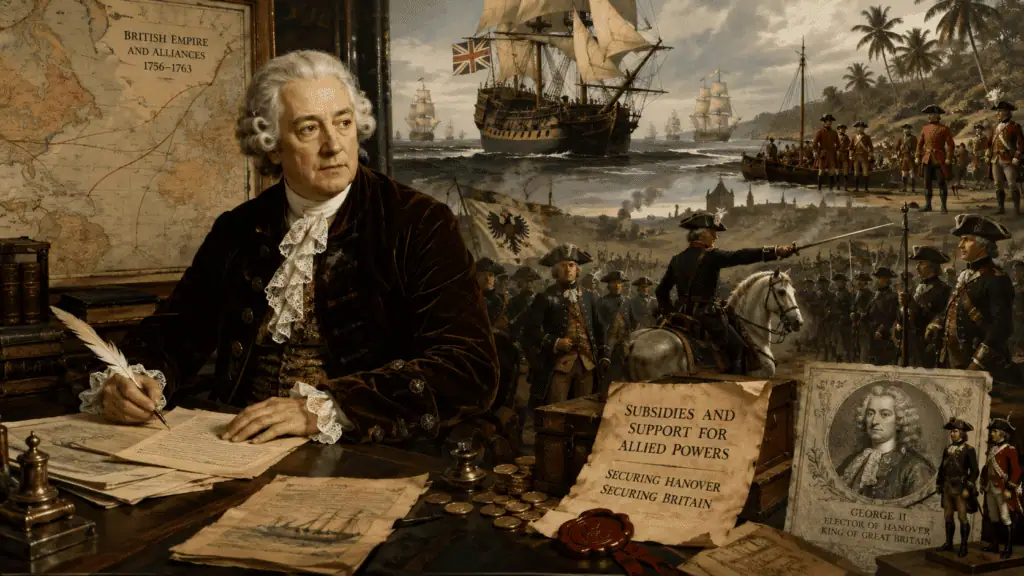
The global struggle came to a climax with the signing of the Treaty of Paris in 1763, which concluded the Seven Years War. The treaty fundamentally reshaped the geopolitical landscape, redistributing territories among the warring nations. Britain emerged as a dominant global force, gaining vast territories in North America and India. This newly acquired power would set the British Empire on a path toward unmatched colonial expansion, but it would also sow the seeds of conflict as the colonies began to react against imperial overreach.
Conversely, France was left grappling with the consequences of its defeats. The loss of Canada and territories in India severely hampered French influence in the New World and the Indian subcontinent. Following the treaty, France shifted focus back to Europe, where it would aim to regain some semblance of its lost standing even as it was left weakened and precarious. The diminishing French presence in these territories also sparked growing tensions with various Native American tribes who had allied with the French.
Moreover, the Treaty of Paris had profound implications for Spain, which ceded Florida to Britain in exchange for the return of Havana. This bargain revealed how far-reaching the effects of the Seven Years War were, altering the fates of nations and peoples on multiple continents. The treaty reshaped not just land and power but also relationships between competing empires, setting the stage for future rivalries and conflicts.
The significance of the Treaty of Paris extends beyond territorial claims; it established a new framework for colonial governance and imperial ambition. It demanded adaptive strategies, shifting loyalties, and burgeoning national identities, all of which would reveal themselves more clearly in the tumultuous years that followed. The reshuffling of alliances and territories underscores the bitter aftermath of a war that was fought not just for land, but for the essence of imperial identity itself.
The New Balance of Power
The conclusion of the Seven Years War ushered in a new balance of power that would dominate international relations for decades to come. Britain emerged from the conflict as the definitive superpower, controlling significant portions of North America, the Caribbean, and India. This shift changed the fabric of geopolitics, positioning Britain at the centre of global trade and diplomacy.
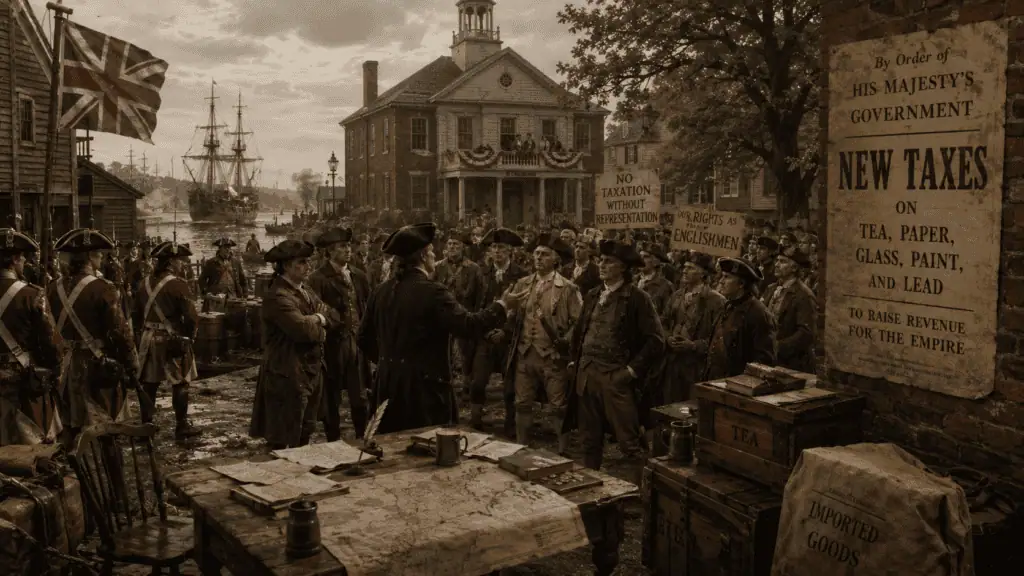
However, such dominance did not come without its challenges. The realities of war debts and the administration of vast new territories introduced complexities that the British government had to address. In an attempt to maintain order and manage its far-flung empire, Britain’s relationship with its American colonies would become increasingly strained. The imposition of taxes and regulations, aimed at recouping war expenses, would sow the seeds of dissent that led to the American Revolution.
On the other hand, France, though weakened, was far from finished. The loss of its colonial territories spurred a nationalistic rebirth and a desire for revenge. The French sought to reform their governance and military, realigning their ambitions to reclaim lost power and influence. This drive for restoration would eventually lead to significant upheaval, including the very revolutions that were propelled by the war’s aftermath.
In summary, the newly established balance of power was characterised by both the expansion of British strength and the responses of other nations looking to reclaim their stature. Nations recalibrated their alliances and strategies as they navigated the post-war landscape, setting the stage for the geopolitical dynamics of the late 18th century. The war had not merely changed territories; it had indelibly transformed the power dynamics that underpin international relations to this day.
The Economic Impact of the War
Financial Consequences for Britain and America
The Seven Years War did not just shift political power; it also had profound economic repercussions for Britain and its American colonies. The war was expensive, and the British government found itself laden with debt. In its bid to finance military operations, Parliament enacted a series of taxes aimed at recovering costs, imposing a financial strain on the population. These measures included the Stamp Act and the Townshend Acts, which ignited widespread unrest among American colonists.
For Britain, the war marked an expansion of governmental influence over the economy, precipitated by a need to fund the newfound territorial control. Ramping up taxation was seen as a necessary step to recoup financial losses, but it also stoked tensions between the colonies and Parliament. The resentment borne from these fiscal policies would eventually contribute to the ideological underpinnings of the American Revolution, as colonists began to question their representation and rights.
For the American colonies, the economic aftermath of the war brought both opportunities and challenges. The newly acquired lands offered the prospect of expansion and a burgeoning frontier economy. Yet, they also faced the consequences of imperial scrutiny and control, as the British government took steps to consolidate its hold over the colonies. Economic dependency became a critical point of contention as American political identity began to evolve in response to external pressures.
The economic implications of the Seven Years War reveal a dual narrative where the financial burdens led to nationalistic sentiments and a rethinking of colonial governance. These economic realities demonstrate how intertwined warfare and economics can be, shaping societies and sowing the seeds for future conflict.
France’s Economic Crisis
On the other side of the conflict, France faced its own economic crisis as a direct consequence of the Seven Years War. The war had drained resources and exacerbated existing financial issues. The government was already struggling with a convoluted tax system and the costs associated with military losses, leading to mounting debt and public discontent.
The loss of territories in the Americas and India reduced France’s capacity to generate revenue, leading to significant strains on the royal treasury. Efforts to manage this fiscal crisis resulted in attempts to reform taxation and reduce military expenses, but these met with resistance from the privileged classes. The monarchy’s inability to address these economic woes contributed to disillusionment among ordinary citizens, setting the stage for social upheaval.
Moreover, the crisis highlighted inefficiencies and disparities within society. The rise in popular discontent signalled a demand for systemic change, fostering revolutionary sentiments. Political theorists and social commentators began circulating their ideas, advocating for equality and influence for the lower classes. This period of financial struggle became, paradoxically, a breeding ground for revolutionary ideologies.
Understanding the economic repercussions for France allows us to appreciate the interconnectedness of war and societal change. By examining the financial consequences faced by powers involved in the conflict, we can see how wartime expenditure and loss can serve as catalysts for significant political and social transformations.
Shifts in Military Tactics and Strategy
Innovations in Warfare
The Seven Years War acted as a crucible for military innovation, given the unique challenges posed by a conflict that spanned multiple continents. This war became a testing ground for new tactics and technologies. Traditional European approaches to warfare faced limitations, leading commanders to adapt. Guerrilla warfare emerged as a critical tactic in North America, with both British forces and their adversaries employing unconventional methods to navigate forested terrains and local conditions.
In addition to tactical innovations, the war also saw advancements in artillery and weaponry. The introduction of rifled muskets increased accuracy and range, which changed how battles were fought. These new weapons altered strategies, allowing for greater firepower and effectiveness. The consequences of these advancements would resonate through subsequent military conflicts, culminating in warfare characterised by innovation and adaptability.
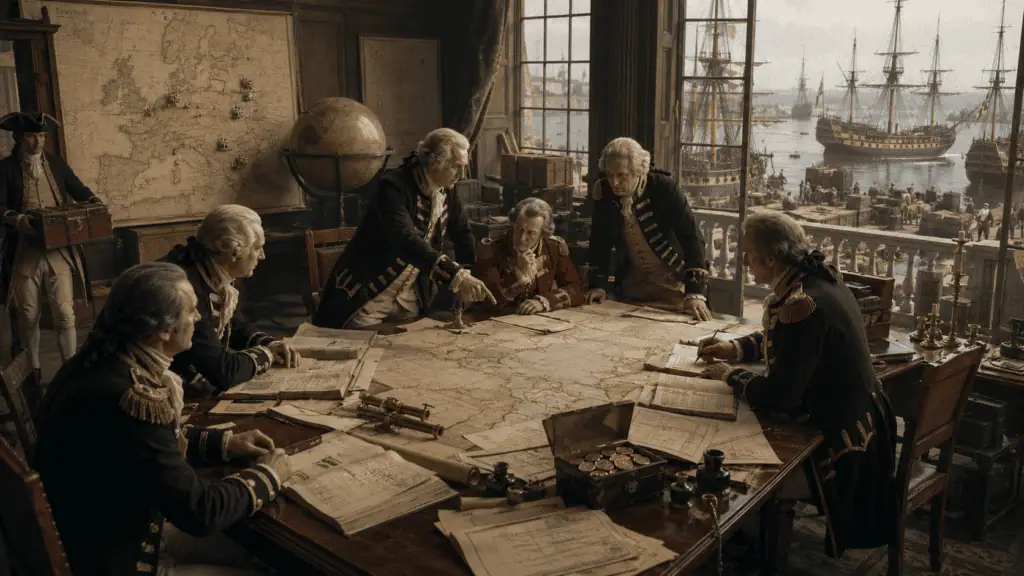
Reflecting on the nature of warfare during this time reveals a significant shift in how battles were conceived, fought, and won. Military leaders began to recognise the necessity of coordination across land and naval forces, as communication technology began to develop. Such innovations fundamentally altered military strategies and propelled entire nations toward modernisation.
This intersection of innovation and necessity indicated a pivotal turning point in military history. The ingenuity born from the Seven Years War paved the way for contemporary approaches, ultimately reshaping how warfare would be waged in the centuries to come.
The Rise of Intelligence and Espionage
Alongside tactical and technological advancements, the Seven Years War witnessed the growth of intelligence operations and state-sponsored espionage. The war complicated the traditional notions of ‘honour’ in battle, with nations increasingly utilising spy networks to gather information and influence outcomes. Intelligence became an essential component of military strategy, as both Britain and France sought to gain an advantage over one another.
The establishment of formal intelligence networks reflected advancements in communication and a growing awareness of the war’s complexities. Knowledge of enemy troop movements and logistical operations became critical to success on the battlefield. The emergence of espionage during this conflict not only represented an evolution in military tactics but also emphasised the importance of information as a tool of warfare.
While espionage was seen as somewhat controversial, it quickly became embedded in military strategy. Successful missions often changed the tide of battle, allowing nations to preemptively counter their opponents. The lessons learned regarding intelligence operations would drastically affect forthcoming conflicts, leading to the establishment of sophisticated intelligence systems that nations employ today.
The strategic shift toward intelligence and espionage during the Seven Years War underscored the evolving nature of conflict. As nations adapted to new realities, they began to understand that warfare existed beyond the battlefield. It would ultimately necessitate a new realm of considerations that combined military might with informed strategies.
The Seeds of Change: Revolutions Emerge
The American Revolutionary Movement
One of the most significant consequences of the Seven Years War was the rise of revolutionary sentiments in the American colonies. As Britain sought to consolidate its imperial power in the aftermath of the conflict, taxing the colonies began the unraveling of colonial loyalties. The financial burdens imposed on Americans, coupled with a growing sense of their rights and identity, ignited a fervour for independence.
The fractures began with protests against taxation without representation and escalated to more violent confrontations. The Boston Tea Party and other acts of defiance reflected a broader sentiment: many colonists were increasingly unwilling to accept British government control. The outcome of the Seven Years War served as both a catalyst and backdrop to the American Revolutionary movement, exposing divisions and grievances that had long simmered beneath the surface.
Furthermore, the intellectual underpinnings of the American Revolution were deeply intertwined with ideas emerging before and during the conflict. Enlightenment thinkers, advocating for self-governance and civil rights, resonated with the realities faced by American colonists. These early notions found fertile ground as the war stirred nationalistic sentiments, culminating in the formation of a distinct American identity that demanded recognition.
As we observe this transformation, we see that the Seven Years War served not simply as a background to the American Revolution but as an essential element that provided the impetus for change. It encouraged different perceptions of governance and fostered a desire for independence that would ripple across the Atlantic.
The French Revolution
While the American colonies erupted into revolution, Europe watched with a mix of interest and trepidation. The economic chaos and societal unrest that followed the Seven Years War sowed the seeds for revolutionary change in France. The financial burdens imposed by the war, paired with social inequalities and widespread discontent with the monarchy, created an explosive environment ripe for transformation.
Discontent grew among the populace, particularly the Third Estate, which bore the brunt of taxation without having a voice in governance. The ideals propagated during the Enlightenment inspired a critique of established authority and heralded notions of liberty, equality, and fraternity. The French Revolution would not just echo across France; it would unleash waves of change that would alter the landscape of Europe and beyond.
As the revolution unfolded, old hierarchies were challenged, and institutions dismantled. The roots of the conflict can be traced back to the Seven Years War and the socio-economic instability it created. The revolution not only led to the fall of the monarchy but also inspired a series of revolutionary movements across the continent, resulting in momentous changes in governance and imperial ambitions.
Ultimately, the impact of the Seven Years War on the French Revolution solidified its position as one of the most significant events in history. By confronting issues of power and representation, it marked a shift from feudal structures to concepts of citizenship and rights, leaving a legacy that continues to influence struggles for justice and equality today.
Conclusion: The Legacy of the Seven Years War
As we conclude this exploration of the Seven Years War, it is evident that its significance reaches far beyond its immediate results. This global conflict, often seen merely as a precursor to later wars, profoundly shaped the geopolitical, social, and economic landscapes of the world. The interplay of power, ambition, and human cost illustrated the complexities inherent in conflict and governance.
The war established a new balance of power, reshaped alliances, and birthed revolutionary movements that would mark the trajectory of future history. The economic ramifications and innovations in warfare and intelligence forever altered how nations interacted and engaged in conflict. The Seven Years War was not merely a conflict defined by territorial gains; it was the beginning of an evolving global narrative of power that still informs our modern world.
In recognising its impact, we find that the legacy of the Seven Years War resonates strongly in today’s events, reminding us that history is a web of interconnected causes and effects. As we reflect on this conflict, its lasting significance offers vital lessons about ambition, the human cost of war, and the interplay of power and identity in shaping our world.