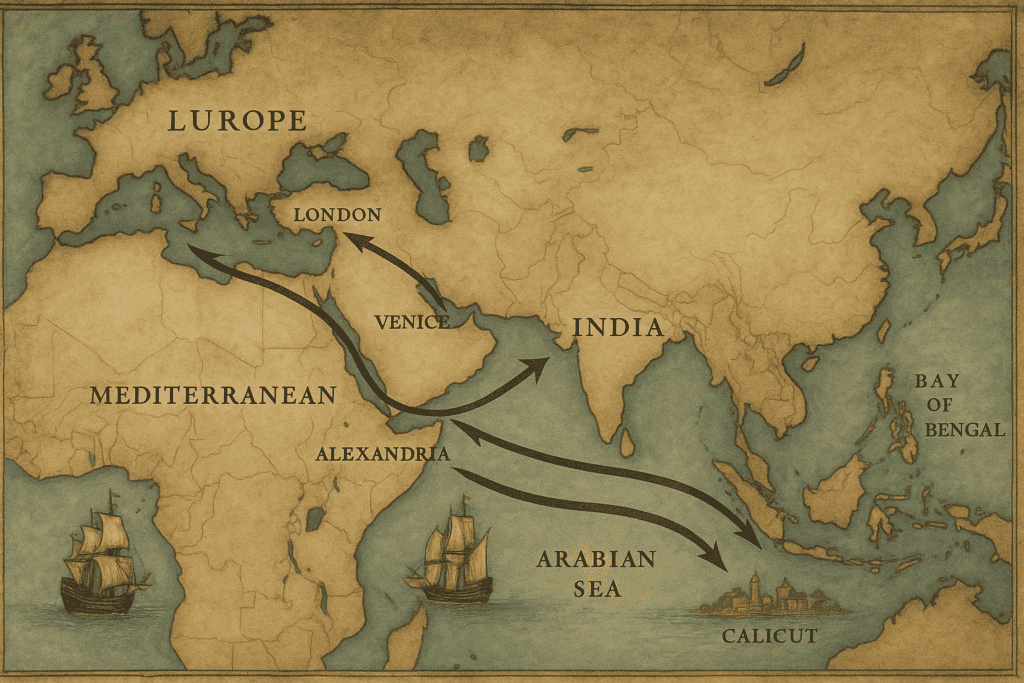

Introduction to the East India Company
The East India Company was more than just a trading entity; it was a powerful force that shaped the course of history. Founded in 1600, the Company began as a chartered trading body aimed at exploiting the lucrative markets of Asia, especially for spices, cotton, silk, and tea. While most people know it as a commercial venture, the truth of its influence stretches far beyond mere economics. The Company would go on to transform not just India, but also the very fabric of British society and global economics.
Professor Marcus Langston discusses the exploratory voyages and ambitious merchants, and the East India Company gradually became a critical player in international trade. With its roots firmly planted in the small-scale commerce of the 17th century, the Company initially aimed to establish trading posts in the Indian subcontinent. These early initiatives were more than just profit-oriented; they represented a fusion of cultures and ideas between the East and West. The complexities of this cross-cultural exchange laid the groundwork for a relationship that would evolve dramatically over the centuries.
As trade expanded, so did the Company’s ambitions. With each ship that returned loaded with exotic goods, the possibility for greater influence grew stronger. Capturing the political landscape wasn’t merely an option; it became a necessity for the Company to protect its interests. This shift marked the beginning of a transformation from a commercial entity to a governing institution, foreshadowing future conflicts and consequences.
The metamorphosis of the East India Company was not an isolated event. It was part of the broader narrative of European colonial expansion during the Age of Exploration. Understanding this context is crucial to grasping why the Company mattered more than is often acknowledged. Its impact stretched beyond economic appetites, serving as a catalyst for ideologies of power, governance, and identity that resonate even today.
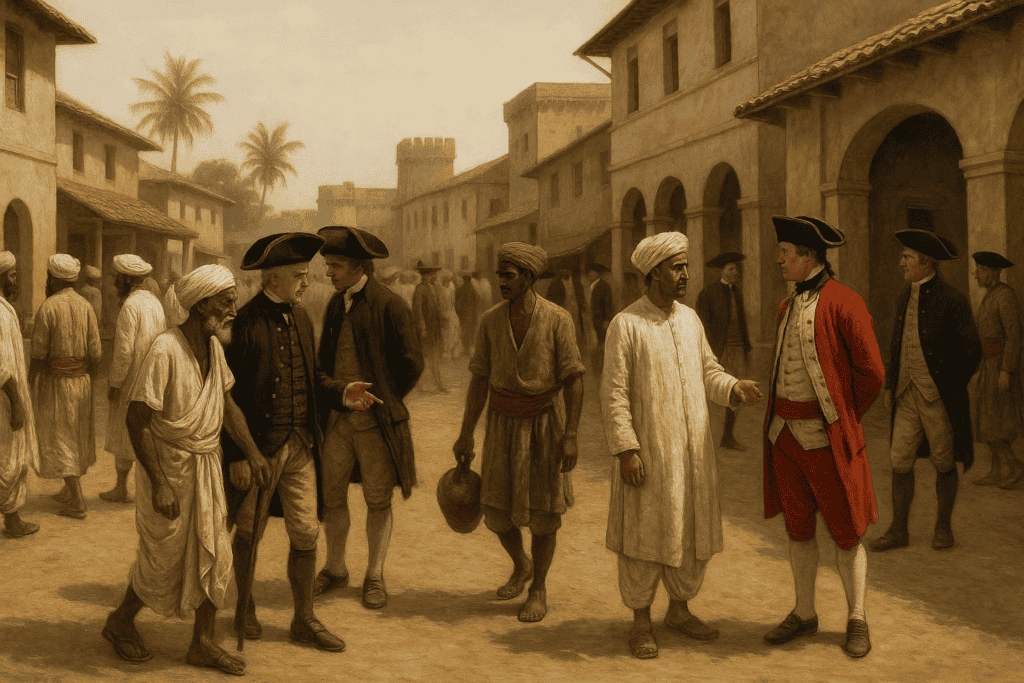
The Company’s Formative Years
In its formative years, the East India Company primarily consisted of private merchants and investors who pooled their resources to navigate the lucrative markets of the East. The first charter, granted by Queen Elizabeth I, set the stage for exploration and trade. Its initial objectives were modest: to establish trade routes and engage in the exchange of goods. Over time, the Company’s successes led to substantial profits, fueling further ambitions.
With each successful voyage bringing back wealth and exotic commodities, the British public’s interest in the East intensified. Not only did tea, silk, and spices become commodities of the affluent, but the allure of foreign markets ignited a spirit of adventure and enterprise. The early adventurers, now celebrated as pioneers, navigated perilous seas and engaged with new cultures, igniting a centuries-old curiosity that would fundamentally alter British society.
However, success was not without its challenges. Navigating the complex political and social landscapes of the Indian subcontinent posed significant risks. Local rulers were wary of foreign traders, and conflicts often arose over territorial claims and trade rights. The Company’s ability to forge alliances, negotiate treaties, and, at times, exert military force would become pivotal in determining not only its own fate but that of an entire subcontinent.
This complex interplay between trade and diplomacy laid the groundwork for the East India Company’s eventual role in governance. As the focus shifted from mere commerce to political control, a narrative unfolded that would have far-reaching consequences for millions. Understanding the formative years of the Company is essential; these early foundations set in motion a series of events that would resonate through history.
The Shift from Trade to Governance
The transition from trade to governance marked a watershed moment in the trajectory of the East India Company. As economic interests expanded, so did its political ambitions. The Company began to perceive itself not only as a commercial enterprise but as an agent of British imperial interests. It became increasingly evident that to protect its vast commercial operations, political control over Indian territories was imperative.
The pivotal moment came in the early 18th century when the Company engaged in military conflicts with local rulers. These clashes, notably with the Mughal Empire, signified a turning point. The invasion of territory was not merely a matter of securing trade routes; it was about establishing a foothold that would enable unrivalled dominance. The early military engagements indicated a growing realisation among Company leaders that the power dynamics in India were shifting, necessitating a more direct form of governance.
Moreover, the Company’s military successes established a dichotomy of power. The once-unassailable authority of Indian kingdoms faced an unprecedented challenge. The East India Company leveraged both military might and diplomatic savvy to consolidate power, effectively unravelling centuries of indigenous governance structures. Establishing forts and settlements along the coastlines allowed the Company to cement its presence, marking the transition into a governing body.
Ultimately, this shift from trade to governance initiated a complex relationship between the coloniser and the colonised. The impact of this transition would resonate through generations, significantly altering the socio-political landscape of India and the British Empire itself. In doing so, the Company planted the seeds of colonialism, igniting tensions and conflicts that would define the relationship between Britain and India for centuries to come.

Early Expeditions and Foundations
Establishing Trade Routes
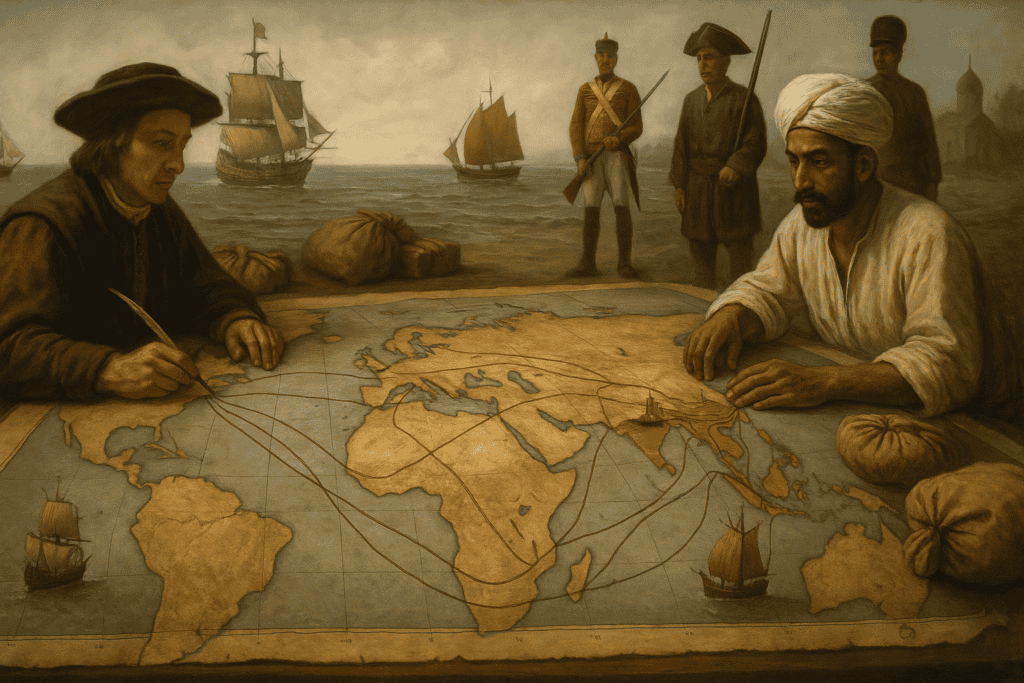
The early expeditions of the East India Company were nothing short of audacious. Navigating uncharted waters, these ventures sought to carve out trade routes that connected the British Isles to the distant shores of India and beyond. Merchant ships laden with cargo embarked on voyages driven by the promise of profit, bringing back valuable commodities that would soon become staples in British households.
By establishing trade routes, the Company effectively opened the floodgates to commerce between East and West. The strategic establishment of trading posts along important ports in India allowed the Company to streamline its operations. Places like Calcutta, Madras, and Bombay became focal points for trade, transforming these regions into hubs of commerce and culture. The routes not only facilitated economic exchanges but also fostered a mingling of cultures that reshaped local societies.
However, this expansion was not simply about establishing economic networks. The Company’s presence often disrupted existing trade structures and relationships, challenging local merchants who had thrived for centuries. Conflicts arose as the East India Company sought to assert its dominance, often leading to confrontations with powerful local rulers who were unwilling to concede control over their own economic landscapes. Such tensions highlighted the less glamorous side of this burgeoning empire.
In a remarkable irony, as the British public celebrated the exotic goods arriving from the East, they remained largely unaware of the tumultuous consequences of these early expeditions. The pursuit of wealth was not without moral dilemmas, shaping narratives of colonialism that would reveal themselves in the years to come. Establishing a network of trade routes set the stage for what would evolve into a complex web of exploitation and imperialism.
The Initial Economic Impact
The economic impact of the East India Company’s early expeditions laid the groundwork for a dramatic transformation in both British and Indian societies. The rapid influx of goods from the East not only enriched the Company but also altered consumer habits in Britain. Spices, textiles, and tea became symbols of status and luxury, driving demand and shaping local economies.
The tea trade exemplifies this profound change. What began as a luxury item for the elite eventually became a staple for the masses, permeating the fabric of British life. This boom in tea consumption led to innovative marketing campaigns and even the establishment of tea gardens in British colonies like Assam, fuelling a cycle of economic dependency on Indian resources. With each cup of tea poured, the broader narrative of exploitation deepened, as the British Empire financially drained the Indian subcontinent.
However, while British merchant classes prospered, Indian artisans and producers often faced ruin. As the Company monopolised trade routes and resources, local industries suffered. The once-thriving artisanal crafts began to dwindle, replaced by manufactured goods imported from Britain. This shift disrupted traditional economies, creating a dependency that would have lasting effects on agricultural practices and local livelihoods.
Conversely, while the economic landscape was transforming, the Company’s profits were rarely reinvested for the benefit of Indian society. Instead, wealth accumulated in Britain, reinforcing economic inequalities that would become a defining feature of colonial rule. The early economic impact of the East India Company set a precedent, sowing the seeds for vast disparities that continued to grow, affecting the lives of millions.

The Turning Point: Blood and Wealth
The Significance of the Battle of Plassey
A pivotal moment in the East India Company’s rise was the Battle of Plassey in 1757, a conflict that transformed the balance of power in India. This victory over Siraj ud-Daulah, the Nawab of Bengal, not only marked a critical military triumph but also solidified the Company’s role as a significant player in Indian politics. The battle was less about martial prowess and more about intrigue, deception, and the manipulation of alliances.
The significance of Plassey lay in its aftermath. The battle was not just a military engagement; it was a calculated coup that enabled the East India Company to seize control over Bengal, one of the wealthiest regions of the time. With this newfound power, the Company established a foothold that would lead to the expansion of its influence across the subcontinent. It set a precedent for how colonial powers could impose their will through political manoeuvring, rather than sheer force.
The impact on Bengal was immediate and devastating. Following the victory, the Company not only imposed heavy taxes but also began to extract immense wealth from the region. This exploitation led to widespread impoverishment and famine, illustrating the dark side of colonial ambition. The battle’s significance extended beyond military victory; it marked the beginning of a phase where profit superseded humanitarian considerations, with dire consequences for local populations.
Moreover, the aftermath of Plassey heralded an era of economic exploitation and territorial expansion that would shape India’s future. The narrative of corporate ambition intermingled with colonial expansion, showcasing the dark realities of imperialism. Understanding the significance of the Battle of Plassey is crucial for grasping the beginning of an economic exploitation pattern that would reverberate through history.
Consequences of Exploitation
In the aftermath of its military victories, the East India Company transitioned into a phase characterised by unparalleled exploitation. The resources of India became an inexhaustible wellspring for British economic interests, and the consequences were profound. Markets were reshaped, local economies crumbled, and communities were fractured.
Following the Battle of Plassey, the Company imposed policies that benefited British merchants at the expense of Indian producers. Land revenues skyrocketed, and local farmers found themselves shackled by debts they could not repay. As agricultural practices were redirected towards cash crops like indigo and cotton, food security plummeted. Famines became tragically frequent, claiming millions of lives, and yet the Company’s insatiable hunger for profit showed no signs of abating.
The transformation of India’s economy was not merely one of exploitation but involved a systematic dismantling of indigenous industries. Local crafts, textiles, and trade networks faced an onslaught from British goods, which were often cheaper and of superior quality due to mass production. As these industries collapsed, the social fabric of communities began to unravel, making way for widespread poverty and discontent.
The consequences of exploitation thus extend beyond immediate economic losses; they shaped societal relationships and identities. The divide between the colonisers and the colonised grew ever wider, as resentment seeped into the psyche of the Indian populace. The East India Company’s actions would lay the groundwork for future resistance movements, demonstrating that the struggle against oppression often stems from the insidious roots of economic exploitation.

The Enactment of Control
Administrative Structures and Policies
With its growing power, the East India Company enacted a series of administrative structures designed to entrench its authority in India. These frameworks were not simply bureaucratic; they were manifestations of colonial governance that reshaped the very essence of Indian society. The Company adopted a model that prioritised efficiency and profit over local customs and governance, thereby alienating large segments of the population.
Key to this administrative overhaul was the imposition of British legal and educational systems. The Company sought to establish its supremacy through a judiciary that mirrored British models, effectively sidelining traditional Indian legal practices. This paradigm shift reflected a broader belief in the superiority of British culture and governance, fundamentally changing how justice was perceived and administered.
Moreover, the administrative policies introduced by the Company were often arbitrary and exploitative. Revenue collection systems favoured British interests, leading to widespread abuses. The emphasis on extracting maximal revenue left little room for local governance, disenfranchising community leaders and traditional power structures. The result was an increasingly bureaucratic system that operated without accountability to the very people it governed.
These administrative changes did not merely represent a shift in governance but also had cultural ramifications. The effort to impose British education produced a class of English-educated Indians who could navigate the colonial bureaucracy. While this opened up avenues for some, it created a cultural rift, fostering a sense of alienation among those who felt excluded from the benefits of this new order. The legacy of these administrative structures is complex, as they contributed to both the stability and eventual unrest that characterised colonial rule.
The Role of Modernisation
As the East India Company established its administrative frameworks, the role of modernisation became increasingly pronounced. This was not modernisation in the sense of progress for citizens but rather the implementation of systems designed to facilitate control and profitability. Railways, telegraphs, and roads were primarily constructed to enhance the efficiency of resource extraction and troop movement rather than to benefit local populations.
The railway network, for instance, connected various parts of India, enabling the rapid transportation of goods and resources to ports for export. This development would have been hailed as progress in other contexts; however, in the colonial setting, it primarily served British economic interests. While creating jobs and opportunities for some, the benefits were unevenly distributed, primarily favouring British merchants and individuals connected to the East India Company.
Moreover, this modernisation often came at the cost of traditional practices and social structures. Local artisans were displaced by cheap manufactured goods from Britain, resulting in a loss of livelihoods and cultural heritage. The promotion of English education aimed to create a workforce that could manage administrative tasks, but often alienated those who revered their own languages and traditions.
Unfortunately, while British administrators touted modernisation as a boon for India, the reality was starkly different. Displacement, economic disparity, and cultural erosion became the hallmarks of this so-called progress. The complexities of modernisation during this era present a nuanced picture—one of advancement intertwined with exploitation and disenfranchisement, setting the stage for future societal upheavals.
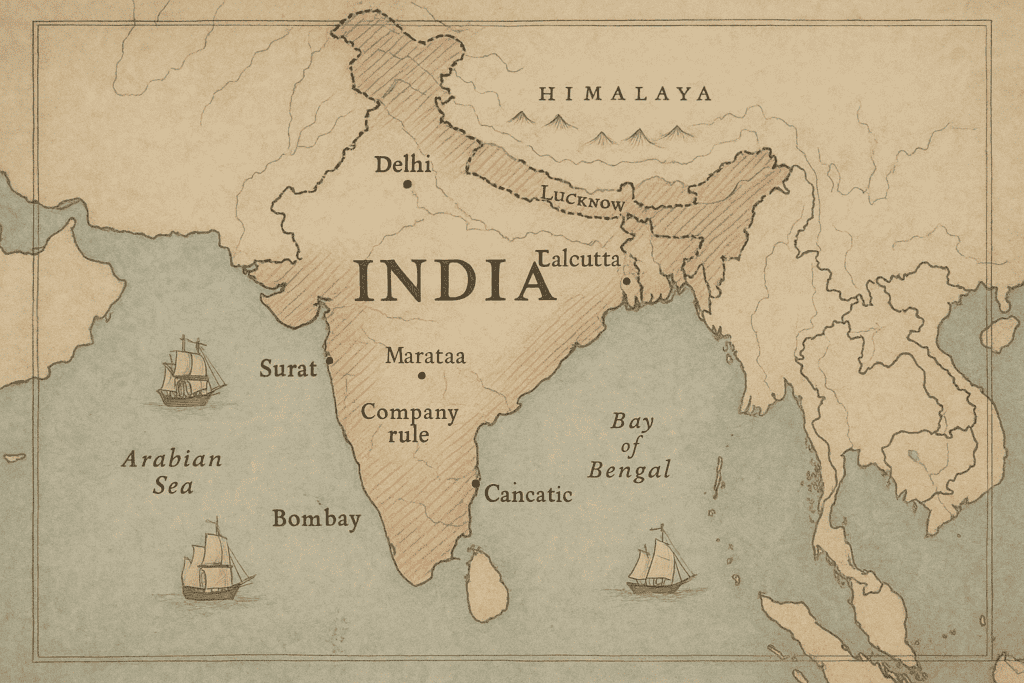
Resistance and Resilience
Emergence of Insurgencies
The increasing grip of the East India Company on Indian territories ignited a fire of resistance among local populations. People began to recognise the severe injustices and exploitation wrought by colonial rule. Over the decades, various forms of rebellion emerged, reflecting not only the economic strains but also a deep-rooted desire for sovereignty and cultural identity.
One of the earliest and most significant uprisings was the revolt of 1857, also known as the Sepoy Mutiny. Sparked by grievances among Indian soldiers (sepoys) in the Company’s army, this rebellion quickly evolved into a wider revolt against British authority. The reasons behind this rebellion were manifold, ranging from economic exploitation to religious insensitivity. The events of 1857 marked a crucial turning point; it was a visceral outcry against colonial domination and exploitation.
What made the 1857 uprising particularly notable was its diverse support base across social, religious, and cultural lines; various factions came together with a common goal. Not only did the sepoys rebel, but farmers, landowners, and artisans joined in solidarity, exposing the cracks in the British narrative of invincibility. Although the uprising was ultimately subdued, it planted the seeds for future resistance and highlighted a burgeoning sense of nationalism.
The emergence of insurgencies was not only about armed conflict; it was also a testament to the resilience of Indian society. Despite the oppressive structures imposed by the East India Company, various movements sought to reclaim cultural identities and assert local governance. This spirit of resistance laid the foundation for future leaders and movements who would challenge colonial rule, ultimately culminating in the fight for independence.
Legacy of National Consciousness
The resistance movements and insurgencies that emerged during the Company’s rule forged a new national consciousness in India. While the Company sought to entrench its dominance through economic and administrative control, it inadvertently awakened a collective identity among Indians. This burgeoning sense of unity became a powerful force that would shape the future of the Indian subcontinent.
With the 1857 uprising acting as a catalyst, various intellectuals, activists, and leaders began to envision a unified India, independent from colonial rule. Figures such as Bal Gangadhar Tilak, Rammohun Roy, and later, Mahatma Gandhi, became symbols of a nationalism that transcended regional and cultural boundaries. The voices of dissent grew louder, advocating not just for economic justice but also for cultural and political rights.
Moreover, the shared experiences of oppression fostered camaraderie among diverse communities. This new national consciousness highlighted not only the injustices of colonial rule but also the rich cultural tapestry that defined India. The concept of “unity in diversity” gained traction, laying the groundwork for a collective identity rooted in shared struggles and aspirations.
The legacy of this national consciousness would resonate through history, giving rise to numerous movements advocating for independence. The spirit of resistance against the East India Company became a rallying cry for future generations, ultimately leading to India’s freedom in 1947. The unfolding of this consciousness serves as a reminder that struggles against oppression often lead to a reawakening of identity and purpose.
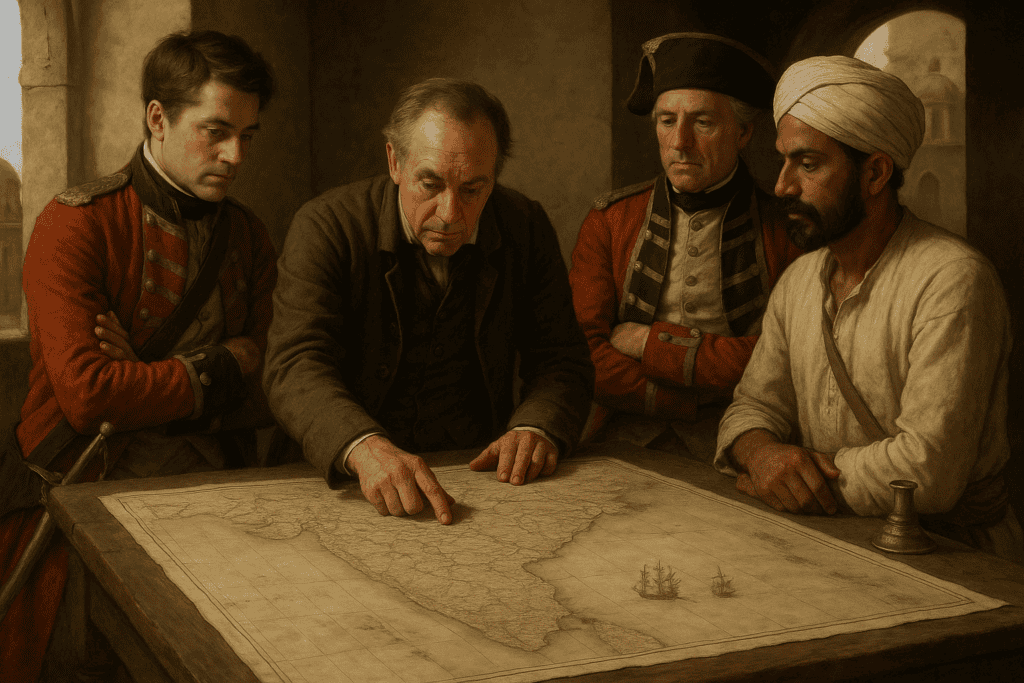
The End of an Era
Transition to Crown Rule
The East India Company’s dominance came to a dramatic conclusion following the Sepoy Mutiny of 1857. The British government, shocked by the scale of the rebellion, recognised the need to reassess the role of the Company in India. By 1858, the Government of India Act was enacted, leading to the dissolution of the Company and placing India under direct British Crown rule. This marked not merely an administrative change but a shift in governance that would have lasting repercussions.
While the transition to Crown rule introduced a different governance model, it did not fundamentally alter the exploitative practices established during the Company’s reign. A new bureaucracy was created, yet the extraction of resources and wealth continued unabated. The British Empire sought to legitimise its rule by presenting it as benevolent, promising “civilisation” and “development” for Indians. However, the underlying economic motivations remained largely unchanged.
The implications of this transition were profound, reshaping the socio-political landscape of India. The direct governance by the Crown heightened Indian discontent, leading to further demands for political rights and representation. The foundational structures laid by the East India Company were not dismantled; instead, they were expanded upon, establishing a colonial framework that would embed itself in Indian society.
Ultimately, the transition from Company rule to Crown governance symbolised the beginning of a new chapter in colonial history. While it marked the end of one era, it laid the groundwork for British governance practices that would be fiercely contested in the years to come. Understanding this transition is critical to recognising how colonial legacies persist in various forms, shaping modern political discourse and identities.
The Persistence of Exploitation
Even after the transition to Crown rule, the persistence of exploitation became increasingly evident. While the East India Company had laid the groundwork for resource extraction, British governance further entrenched these practices, often with devastating impacts on local populations. Agricultural policies were oriented towards production for British markets, systematically undermining local food security.
The British administration implemented policies that favoured cash crops over staple foods, leading to cycles of famine and impoverishment for millions. The devastating Bengal famine of 1943, which claimed the lives of an estimated three million people, exemplified the horrors of colonial exploitation. Policy decisions made in London continued to jeopardise the livelihoods of Indian farmers, revealing a shocking disregard for human life in favour of profit.
Additionally, the persistence of economic inequalities became a hallmark of British rule. While British industrialists flourished, local artisans and producers struggled to compete against imported goods. The structural changes initiated during the Company’s era continued unabated, embedding inequalities deep within Indian society. These narratives of exploitation laid the groundwork for future resistance, as people began to contest not just the political but also the economic conditions of colonial rule.
In this context, the legacy of exploitation is intertwined with burgeoning movements for independence and social justice. The historical patterns established by the East India Company did not fade with time; they became a part of India’s continuing narrative. The realities of colonial exploitation served as a catalyst, igniting aspirations for change that would eventually lead to the quest for freedom.
Unmasking the Economic Impact
Long-lasting Economic Inequalities
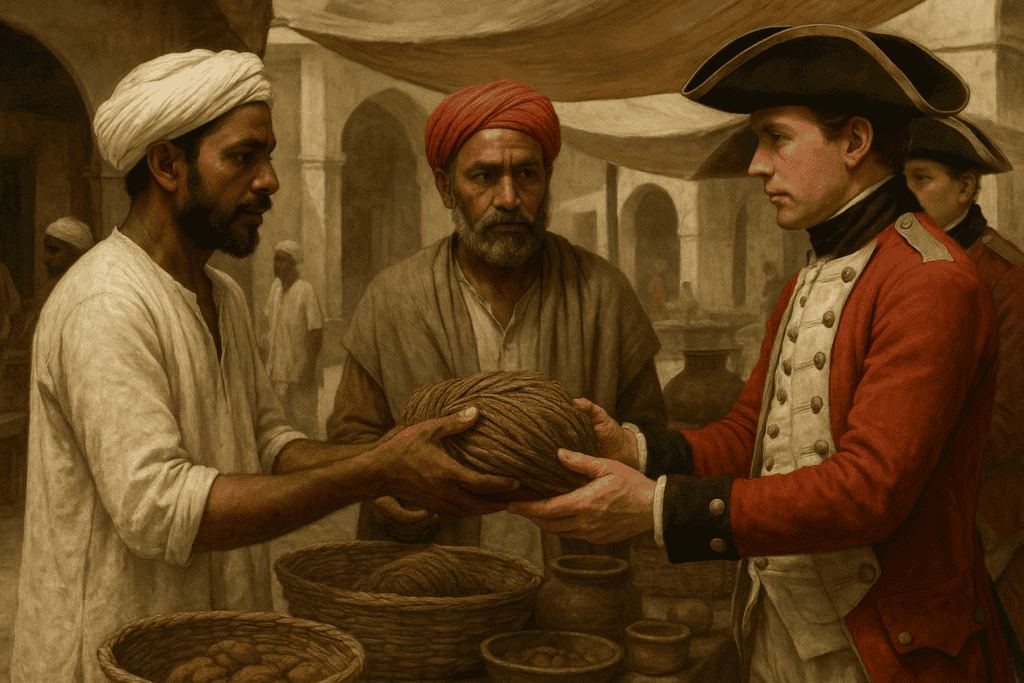
The economic legacy of the East India Company and subsequent British rule in India is marked by profound and lasting inequalities. From lucrative trade practices to extractive revenue policies, the systemic imbalance created during this era continues to influence India’s economic landscape. The economic structures established not only prioritised British interests but also set the tone for centuries of disparity that still reverberate today.
The initial extraction of wealth from Indian resources created a cycle of dependency and underdevelopment. Traditional crafts were undermined, and local economies were structured in ways that diverted resources towards Britain. This created a landscape where wealth flowed predominantly from India to the United Kingdom, facilitating Britain’s Industrial Revolution while leaving India impoverished.
In the post-colonial period, the effects of these inequities were felt profoundly. Many regions had become reliant on cash crops, and when independence was granted in 1947, the economic infrastructure was woefully inadequate for self-sustained growth. The divide between urban industrialised zones and rural agricultural areas exacerbated socio-economic disparities, perpetuating cycles of poverty.
Understanding these layered inequalities is essential for interpreting modern economic conditions in India. The lingering effects of colonial economic policies continue to create obstacles for development and socio-economic equality. Acknowledging the historical context of these disparities is vital for addressing contemporary issues and facilitating meaningful change in socio-economic structures that promote equity and justice.
Agricultural Challenges
Agricultural practices in India were profoundly altered during the era of the East India Company and British rule. Initially, diverse cropping systems sustained local populations. However, British policies reoriented agriculture towards meeting colonial demands, favouring cash crops while neglecting subsistence agriculture. This shift created vulnerabilities that would have dire consequences for India’s agrarian communities.
Under the East India Company, the push for cash crops such as indigo, cotton, and opium redirected farmers’ focus from food production to profit-driven motives. As resources were diverted for export, food security became secondary, resulting in food shortages and famines. This prioritisation of cash crops deeply entrenched agricultural challenges that would echo through the generations.
Moreover, the land revenue systems imposed by the British made it increasingly difficult for farmers to sustain their livelihoods. The relentless pursuit of revenue extraction prompted practices that drained both the soil and the livelihood of farmers. Many were pushed into debt, leading to dispossession and societal degradation, and forced to abandon traditional agricultural practices.
The repercussions of these agricultural challenges are still relevant today, as many rural communities grapple with issues of food security and economic sustainability. The legacies of colonial policies not only shaped agricultural practices but also sowed the seeds of future social unrest. Recognising these historical challenges is crucial for creating a sustainable agricultural framework that can address the needs of millions.
Historical Narratives and Modern Consequences
Shaping National Identity
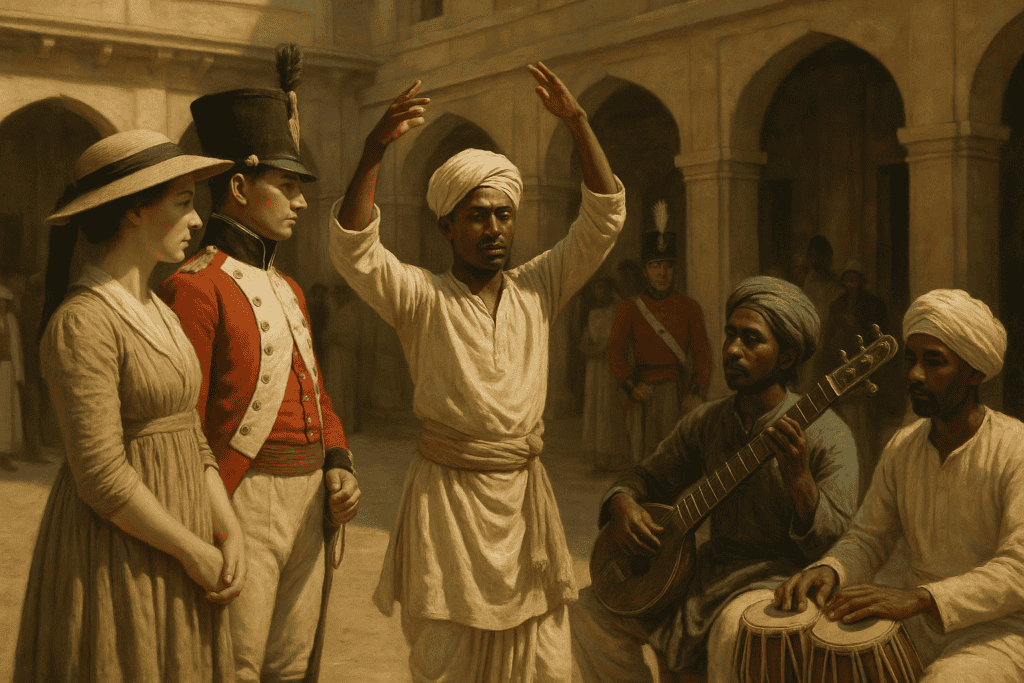
The legacy of the East India Company is intricately connected to the shaping of national identity in India. As resistance against colonial rule intensified, a sense of shared identity emerged among diverse communities. The injustices faced under the Company fostered a collective consciousness that transcended regional and cultural boundaries, laying the groundwork for the rise of Indian nationalism.
This evolving national identity was marked by the reclamation and celebration of cultural heritage. Leaders like Mahatma Gandhi and Rabindranath Tagore emphasised the importance of indigenous culture, values, and history in the face of colonial oppression. This assertion of identity became a potent response against the narrative that sought to portray British culture as superior.
Moreover, the shared experiences of exploitation acted as a unifying force, leading to the emergence of diverse social and political movements advocating for rights and self-determination. Through poetry, literature, and political discourse, the narrative of resistance found expression. The richness of cultural narratives reflected the complexities of colonialism and its impact on identity, resonating with various social strata.
As India moved towards independence, national identity became more than just a response to colonialism; it evolved into a vision for a free and democratic nation. The legacy of the East India Company served as both a cautionary tale and a source of inspiration, driving aspirations for a unified, independent India. Understanding this shaping of national identity is crucial for grasping how historical narratives influence contemporary issues and cultural self-perception.
Discussions on Accountability
The legacy of the East India Company raises complex questions around accountability and justice. As the consequences of exploitative practices during its rule become more widely acknowledged, the discourse around historical injustices has intensified. Discussions about accountability push us to confront uncomfortable truths regarding the impact of colonial policies on Indian society, economics, and culture.
In contemporary debates, there is growing recognition of the need for reparative actions to address long-lasting consequences. Many advocate for alternative narratives that highlight the resilience and contributions of those who suffered under British rule—shedding light on the rich tapestry of Indian history that has often been overlooked.
Crucially, discussions centre not only on historical accountability but also on modern implications. The disparities rooted in the colonial legacy persist in various forms today, including systemic inequalities and cultural erasure. As such, recognising the past becomes a foundation for building a more equitable future. Engaging with these discussions allows societies to move forward with an understanding shaped by historical awareness, facilitating policy changes that promote justice.
The dialogue surrounding accountability ultimately serves as a bridge between past and present, charging individuals to confront legacies of exploitation with honesty and integrity. Emphasising collective memory enriches our understanding of identity and empathy, cultivating a vision for a just society that acknowledges its past while striving for a harmonious future.
Conclusion: The Lasting Legacy
The legacy of the East India Company is a multifaceted narrative that extends far beyond its origins as a trading entity. The economic exploitation, political manipulation, and cultural consequences of its actions have shaped not only modern India but also the narratives of colonialism and resistance globally. Understanding these layered legacies is essential to recognising the complexities of historical narratives.
From the transformation of trade routes to the establishment of administrative structures, the Company set in motion a chain of events that would have far-reaching implications. The resistance and resilience that emerged as a response to colonialism would eventually lay the groundwork for national identity and independence. Yet even as India forged a new path, the scars of exploitation and inequality endured.
In engaging with this history, we are called to reflect on the lessons it imparts. Recognising the nuances of colonial legacy invites us to acknowledge both exploitation and resilience, enabling us to confront historical injustices while promoting social equity. The discussions around accountability and cultural identity serve as vital reminders of the enduring impact of the past on present realities.
The story of the East India Company is a testament to the complexities of power, governance, and cultural exchange. Its legacy underscores the importance of historical consciousness as we navigate contemporary challenges. Understanding this narrative enriches our comprehension of not just the past but also the potential pathways toward healing and justice in our shared future.