

Introduction to 1066
The year 1066 stands as a historical fulcrum, with the battle of Hastings forever altering the trajectory of English history. Before this pivotal moment, England was a nation governed by a complex system of local lords and regional agreements, steeped in centuries of tradition yet fraught with turmoil. The early 11th century saw a turbulent political landscape, characterised by shifting loyalties and violent upheavals that left the throne vulnerable. The death of King Edward the Confessor in January 1066, after a reign that had teetered on the brink of chaos, set the stage for a gripping power struggle that would culminate in one of the most famous battles in history.
Edward’s death created a political vacuum, with no clear successor. His promise to William of Normandy, made years before, complicated matters further. Edward likely hoped to maintain peace among the powerful Anglo-Saxon noble families. However, he also recognised William’s ambitions, yet his other claimants were equally significant. Harold Godwinson, the most powerful noble in England, quickly seized the crown, assuming the throne without any formal acknowledgement from William. Thus began a race against time, characterised by intrigue and ambition as both Harold and William sought to assert their legitimacy.
The absence of royal guidance and the competing claims fostered instability across England. This year also marked a broader transformation in European politics, as feudalism strengthened its grip across the continent. Nobles were beginning to understand the shifting balance of power. Lines were blurred between loyalty to king and land, complicating relationships among nobles and their vassals. This growing changing landscape was ripe for conflict, where armies comprised not just of trained soldiers but also common men co-opted by the ambitions of their leaders.
By October, the inevitable clash would reshape English society forever. The events of 1066, framed by the incongruities of power, allegiance, and ambition, would determine not only the crown’s fate but also the very fabric of English culture and governance. In this context, the Battle of Hastings emerges not merely as a military engagement but as a decisive moment that paved the way for a new world order in England.
The Claimants to the Throne
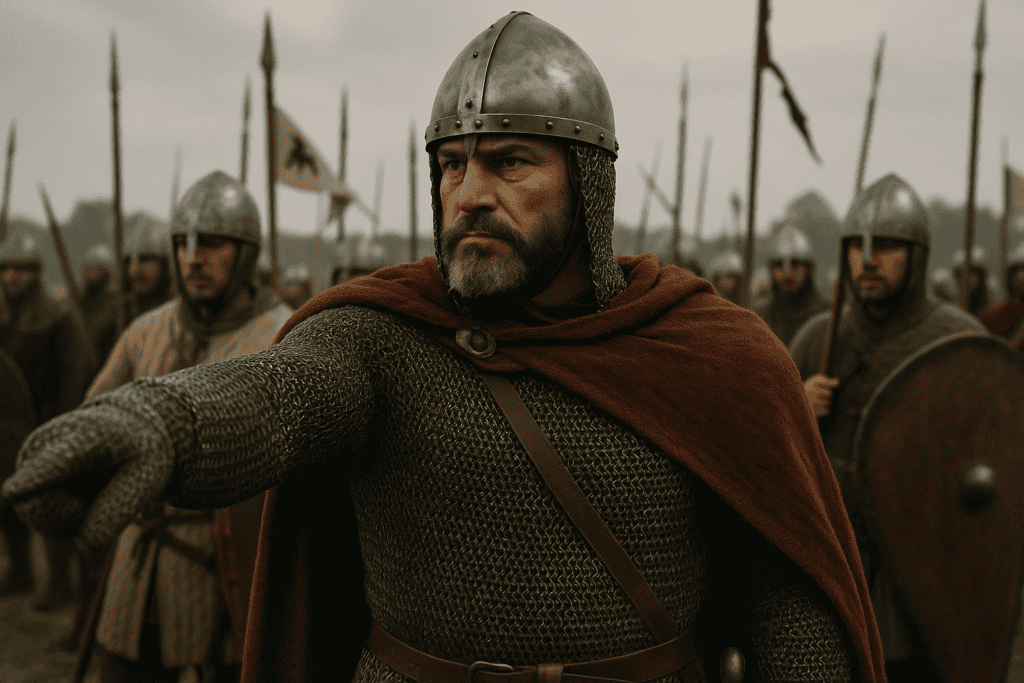
At the heart of the Battle of Hastings were the claimants to the English throne, two men whose competing ambitions would lead to one of history’s most crucial confrontations. Harold Godwinson was the son of the powerful Earl of Wessex, sharing both a noble birthright and a wealth of military experience. His swift ascension to the throne after Edward’s death showcased his power, yet it was viewed as precarious. Backed by leading Anglo-Saxon nobles, he had established himself as a figure of stability amidst uncertainty. However, the manner of his coronation raised eyebrows, marking him as a controversial and potentially illegitimate ruler even before facing a formidable rival.
On the other side of the English Channel stood William of Normandy, a duke who had long harboured ambitions for England. His claim was rooted in a 1051 promise from Edward the Confessor. William’s lineage traced back to Viking invaders who once terrorised the English coast. His mixed legacy as a conqueror and a reformer meant he was not merely an outsider upon whom suspicion was cast but a leader intent on introducing a change that aligned with his feudal ambitions. His motivated quest for the English crown was not solely about personal ambition; it was also about restructuring power within Europe.
Both men represented distinct visions for England’s future. Harold’s approach was grounded in preserving Anglo-Saxon traditions, emphasising local governance and community ties. Conversely, William represented a new form of governance, which would centralise power and efficiency under a more structured hierarchy, one influenced by continental ideals. The clash between these two visions would not only determine the fate of the crown but would set a historical precedent regarding the authority of the monarchy in relation to its nobles and the broader populace.
As tensions escalated, the motivations behind each man’s claim influenced their respective strategies and troops. Harold was conscious of defending an emergent national identity, whereas William sought to exceed the identity of a mere conqueror by establishing a legacy that would transform how power was wielded and maintained in England. This rich context of ambition and ideology framed the conflict, setting the stage for a battle that would resonate through centuries.
Prelude to the Conflict
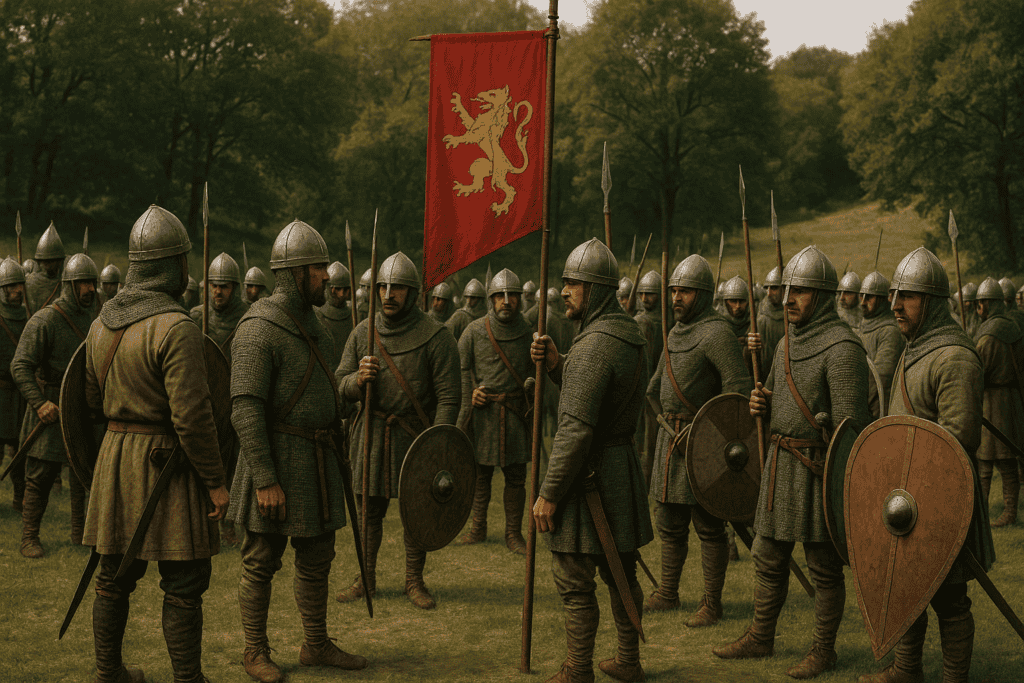
The build-up to the battle was marked by a series of significant events that would shape the course of history. Following the coronation of Harold Godwinson, the immediate challenge was dealing with the threats that emerged from various quarters. Notably, the Northumbrian rebellion, spurred by discontent among the people and rival claimants, demanded Harold’s attention. This internal strife placed Harold at a disadvantage; he was forced to divide his forces, all while William was amassing a formidable army across the English Channel.
William’s preparations were meticulous, characterised by strategic alliances and a carefully curated force that drew fighters not merely from Normandy but across Europe. His ability to secure loyalty from diverse noblemen positioned him advantageously. Furthermore, his innovative military tactics, exemplified in his preparation for naval transport and supply lines, spoke of a leader who understood logistics’ vital role in warfare. The Norman forces were diverse, comprising knights and foot soldiers, which showcased William’s capacity for efficient management of men and resources.
The memory of Edward’s promise hung in the air, bolstering William’s resolve. The narratives spread among his followers painted him as the rightful claimant, prompting fervour and loyalty among those whom he promised land and titles in England. Norman society was largely feudal, and aspiring nobles viewed warfare as a pathway to wealth and power. As preparations intensified, the looming D-Day for William became a touchstone for an ambitious vision where empire and power could be fused into an enduring legacy.
Meanwhile, Harold’s forces were drawn into a period of exhaustion as they faced multiple skirmishes while also preparing for the inevitable conflict with William. His decision to hastily march south to confront the Normans reflected the urgency of his position yet also highlighted the exhaustion of an army that had been in constant motion. The stage was not merely set for a battle; rather, it was set for a confrontation steeped in aspirations, tensions, and the complicated web of alliances and enmities that defined the era.
The Battle Unfolds
The Battle of Hastings commenced on October 14, 1066, under a grey sky, an ominous backdrop to a conflict that would determine the fate of a nation. The two armies, both eager and apprehensive, positioned themselves on the rolling hills of Senlac Ridge. Harold’s forces numbered around 7,000 warriors, drawn from familiar territories and fortified by a deep sense of loyalty to their newly crowned king. They formed a shield wall, a tactic honed through decades of experience in defending against Viking raids. This immovable front would serve as a formidable obstacle to any invading force.
William’s army, double the size of Harold’s, was a mix of Normans, Bretons, and mercenaries. He understood that a frontal assault would be costly, so he cleverly devised a series of tactics designed to exploit gaps in Harold’s formation. The initial onslaught was marked by archers raining arrows upon the English shield wall, though the impact was less influential than anticipated. Unyielding in their stance, the English troops held firm, turning back the advancing waves with remarkable discipline and endurance.
Yet, the turning point materialised during the afternoon, when William deliberately feigned a retreat. This clever tactic played upon the honour of English warriors, compelling them to break formation in pursuit of the supposedly fleeing Normans. This created a crucial opening, allowing William’s troops to regroup and counter-attack effectively. In the ensuing chaos, the English formation fractured, and as William ruthlessly pressed his advantage, the battle quickly turned in favour of the Normans.
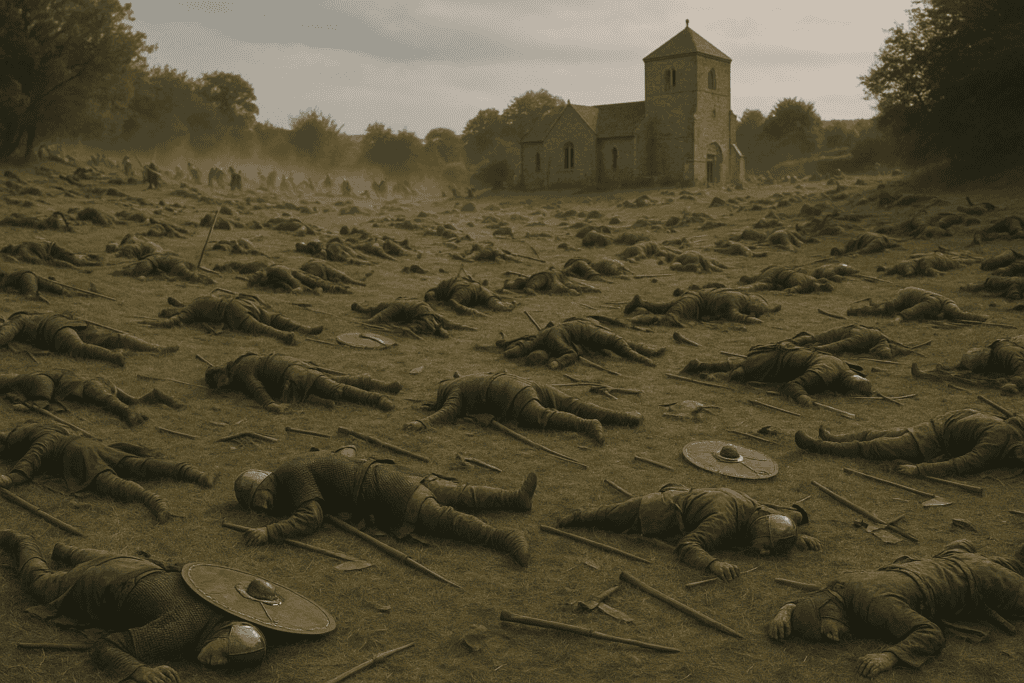
The finale of the confrontation was brutal and decisive. Harold was struck in the eye by an arrow, a moment often depicted in stories, thus leading to his eventual downfall. His death not only signalled the collapse of Norman resistance but also exemplified the fragility of leadership during tumultuous times. With Harold gone, the remaining English forces faltered under relentless Norman pursuit. The Battle of Hastings was a testament to the strategies and adaptability of William and marked an unmistakable shift in the power dynamics of England.
Aftermath and Historical Significance
The aftermath of the Battle of Hastings was profound, sending ripples through the fabric of English society. William emerged as the uncontested ruler, soon to be crowned King of England. His victory marked the end of Anglo-Saxon rule and the beginning of a new Norman era, which would usher in sweeping changes both in governance and culture. The establishment of royal rule in England pivoted upon stronger central authority, diminishing the power of local lords who had influenced the political landscape for centuries.
In the short term, William’s rule was marked by violent suppressions of dissent and a campaign to ensure loyalty and fealty from his new subjects. He commissioned the Domesday Book, a meticulous record of landholdings, which showcased not just the economic landscape but also reinforced feudal obligations. This foundational governance shift was essential for William, for it enabled him to consolidate power, providing a clear account of resources to harness as he sought to secure his burgeoning kingdom.
The cultural transformation would also be significant. With the Normans in control, the French language began to permeate English society. The elite adopted Norman customs, leading to profound shifts in architecture, language, and arts. This contact between the Norman élite and Anglo-Saxon population sparked a mixture of cultures, influencing the evolution of the English identity. Feudalism emerged as the dominant social structure, redefining relationships between vassals and lords, and echoing through generations.
However, the historical significance of the Battle of Hastings extends beyond its immediate consequences. It marked the integration of Norman and Anglo-Saxon traditions, leading to the development of a complex but uniquely English identity. The ramifications of William’s victory influenced England’s engagement in global affairs, setting the stage for future developments that ultimately shaped the very essence of the English nation.
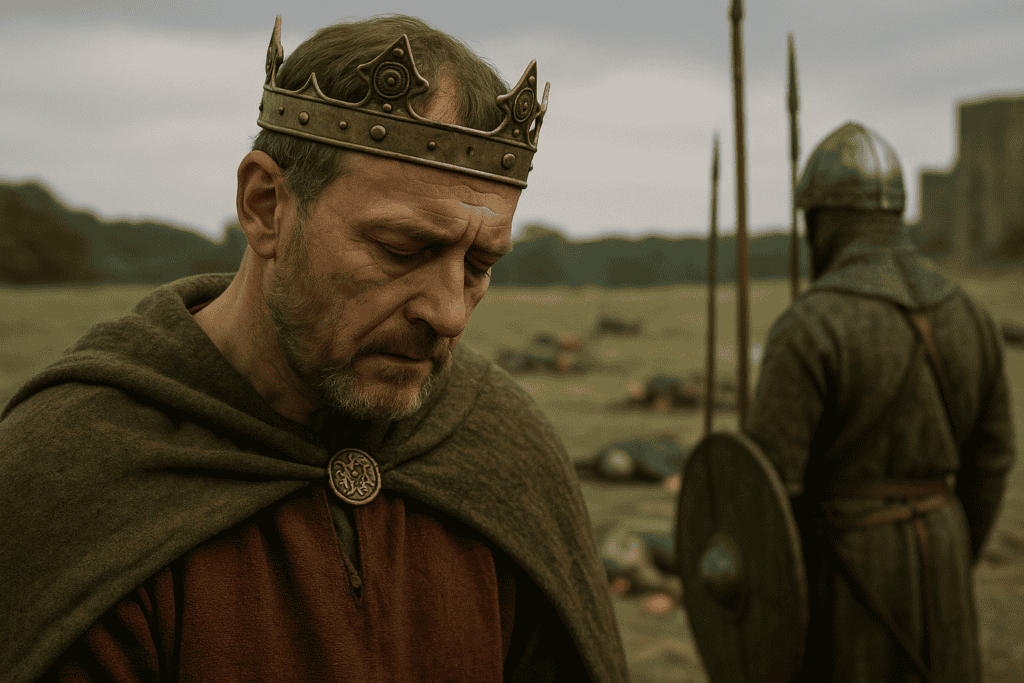
The Legacy of the Battle
The legacy of the Battle of Hastings transcends its immediate aftermath, embedding itself in the consciousness of English identity. Over the centuries, the battle has been recounted often, typically romanticised or framed in various narratives—its meaning morphing with the cultural and political currents of each era. It became more than just a military confrontation; it became a symbol of conquest and transformation, marking the blending of the Anglo-Saxon and Norman legacies.
In education, the battle is frequently the first major historical event taught to schoolchildren, serving as a foundational narrative in understanding English history. The implications of 1066 endure within political discourses, frequently invoked as a pivotal point when discussing monarchy, democracy, and the relationship between rulers and their subjects. The way these themes resonate in contemporary society reflects how history continues to shape modern perceptions of governance and authority.
National identity has also been influenced profoundly by the events of Hastings. The narrative surrounding the battle contributed to a sense of unity in a historically divided nation. As movements for national identity emerged, the notion of a united England often drew upon the themes of resistance against invaders and the resilience exemplified by the English knights and soldiers who fought valiantly. This continued to inspire later generations as they grappled with questions of nationhood, autonomy, and belonging.
Moreover, the battle established a paradigm in military strategy that reverberated through centuries. Its tactics and outcomes have been studied and analysed by military historians and strategists alike, showcasing the importance of adaptability in warfare. As a result, Hastings serves as a crucial benchmark in not just English history but in the broader context of military evolution in Europe.
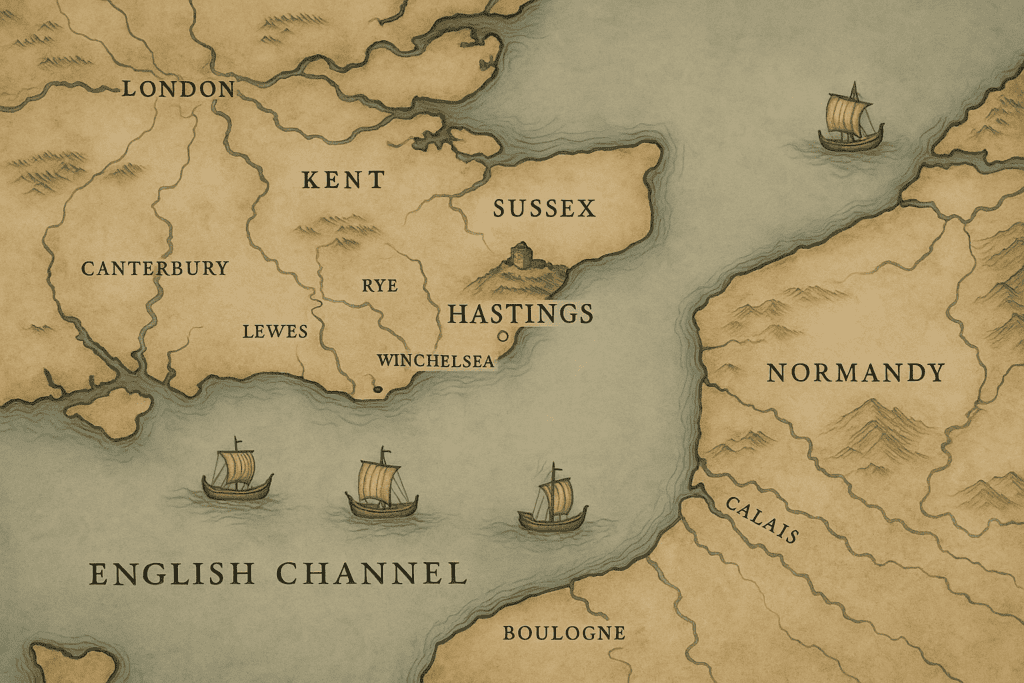
Conclusion: Understanding Its Importance
Understanding the Battle of Hastings requires more than just a recounting of events; it involves recognising the profound impact of this moment on the evolution of England and the broader implications for European history. The clash between Harold Godwinson and William of Normandy was not only a fight for the crown but encapsulated a significant shift in governance, identity, and societal structures that would reshape an entire nation.
The lessons derived from Hastings echo through time, serving as a reminder of how ambition, conflict, and change intersect to forge the realities of nations. It embodies the narrative of how a single day can alter the course of history, redefining relationships and institutions that were thought immutable. The inseparable ties between past and present highlight the complexities of governance and leadership, offering timeless insights into the nature of power and legitimacy.
As we reflect on the events of 1066, we conclude that the Battle of Hastings was not merely a military victory. It was a fundamental moment that laid the groundwork for a future that shaped cultures, identities, and nations, reverberating through centuries as a pivotal point in the saga of English history. The challenge, then, is to continue to probe the rich narratives, understanding that the past continues to speak to us, urging us to learn from its lessons and appreciate the intricate tapestry of human experience.
Thank you for reading this excerpt; Professor Steven Carmichael