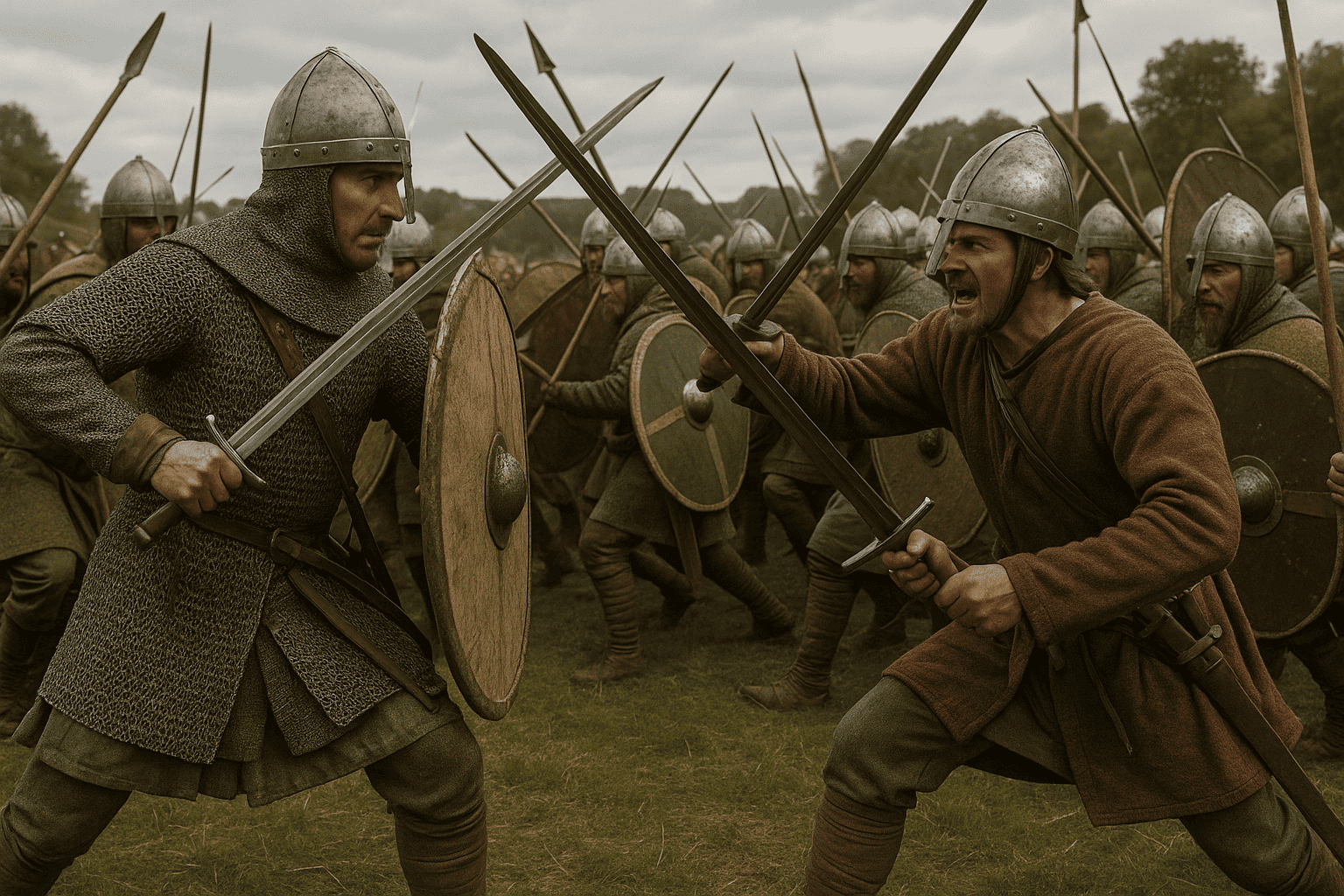
Military History examines how wars are fought, how armies are organised, and how conflict reshapes societies long after the fighting ends. This category focuses on the strategy, technology, leadership, and human experience of warfare, with particular attention to Britain’s military past and its global connections. Rather than treating battles as isolated events, the articles here place warfare within its wider political, social, and economic context. Military decisions are rarely made in a vacuum. They are shaped by resources, geography, ideology, and the limitations of the age. Understanding why armies fought as they did is just as important as understanding who won. This category explores subjects ranging from medieval warfare and early modern armies to global conflicts that redrew borders and empires. Attention is given to tactics, logistics, command structures, and innovation, alongside the lived experience of soldiers and civilians. Victory and defeat are examined with equal seriousness, as both leave lasting marks on nations. Military History also confronts the consequences of war. Shifts in power, changes in government, economic strain, and social trauma often follow conflict, sometimes more decisively than the battles themselves. These outcomes are central to understanding how warfare shapes historical change. Readers can expect detailed analysis, clear explanations of complex campaigns, and thoughtful examinations of how military force has influenced the world we inherited.
© Copyright 2026 Digging Deep Histories. All Rights Reserved.