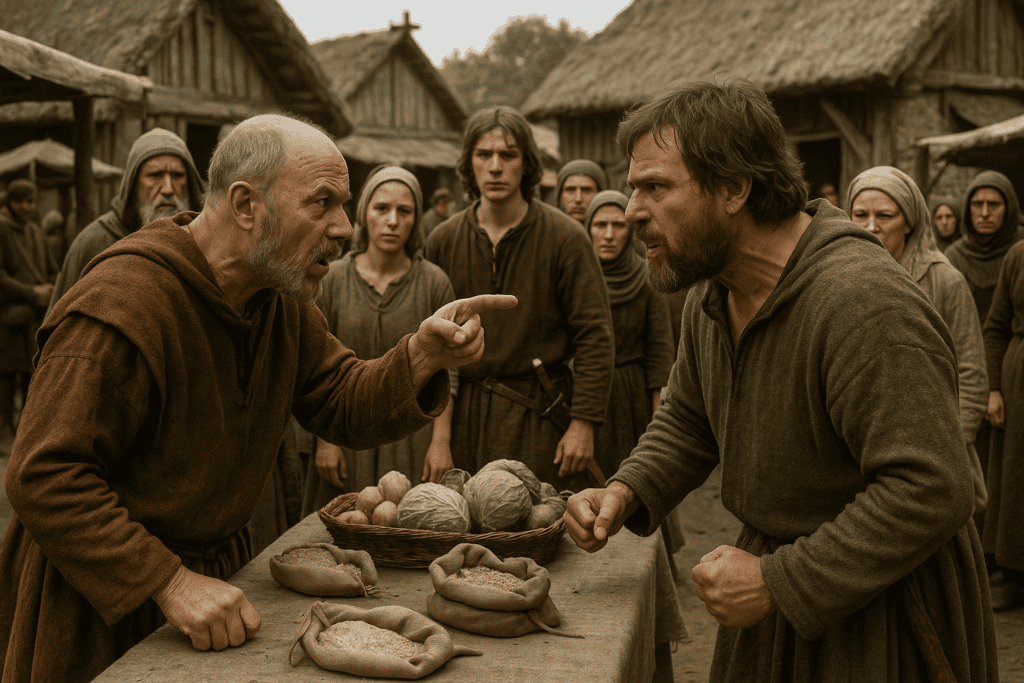

In the heart of Early Medieval Europe, life thrived in villages that might seem simple at first glance but held a complex web of relationships, duties and innovations. These communities were both the cradle of survival and the forge of social structure, leaving behind a legacy that shapes our understanding of community today. The importance of medieval village life is often underestimated, as the nuances woven into daily existence truly elucidate how these small settlements laid the groundwork for modern society.
Professor Amelia Harcourt takes us through the lives of villagers revolved around shared responsibilities and relationships that were intrinsic to survival. In a world where the threat of famine or invasion could loom at any time, individuals often relied on the strength of their neighbours. Thus, the bonds formed in these villages were not merely social; they were vital to the fabric of existence itself. The roles undertaken were often strictly defined. The farmers cultivated the land, the weavers crafted fabrics and the blacksmith forged tools. Each person contributed to a greater whole.
Yet, it was not just the assigned duties that forged relationships. Social bonds emerged from mutual dependence. In times of hardship, families often turned to one another for assistance. Such acts of support transcended mere obligation; they formed lasting friendships that would see communities through harsh winters and bountiful harvests alike. This intertwined social fabric reinforced the idea that the community’s survival was as important as individual ambition.
Economic necessity served as a cornerstone of village life. The sharing of harvests, resources and skills ensured that no one person bore the brunt of adversity alone. For example, during the harvest season, villagers would gather to reap the crops, each individual offering their hands to the task. It was in these communal endeavours that relationships blossomed, making essential connections that would outlast any immediate economic calculation. The nature of cooperation, fuelled by economic need, further solidified the concept of community.
The Community Structure of Medieval Villages
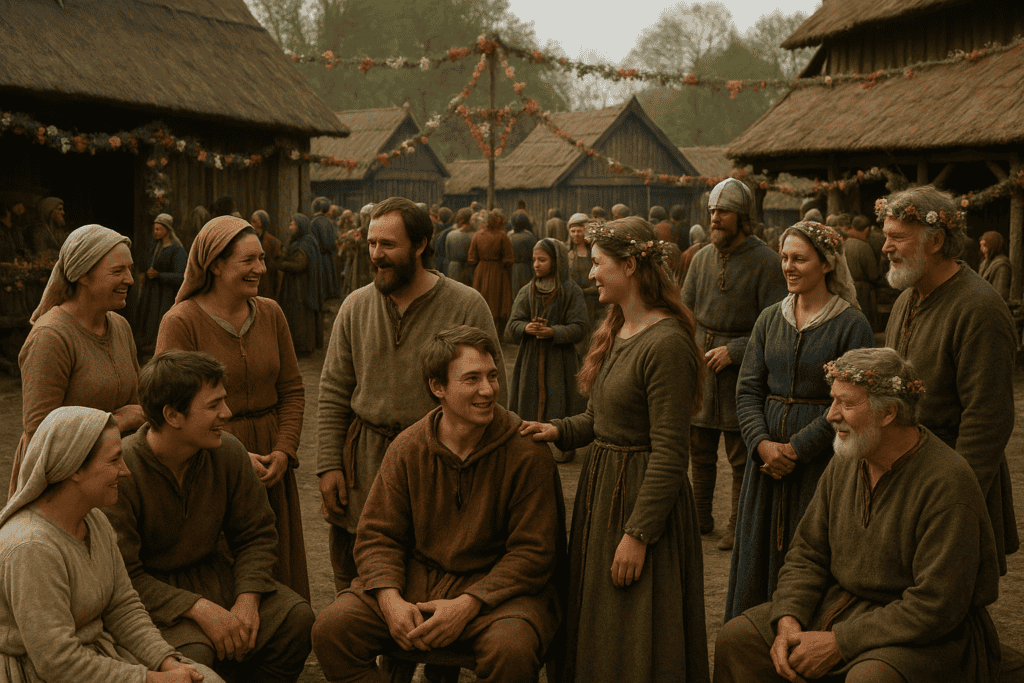
At the centre of medieval villages was a well-established community structure, often nestled around a central green or common area. This space served not just as a physical hub but also as a social one. It was where news circulated, decisions were made and festivities unfolded. The close-knit nature of each village presented a unique social hierarchy, one that was often fluid, shaped by circumstance more than by rigid class systems.
Villages typically centred on a lord or a landowner, who held the title of the village chief. Under them were the free peasants, the serfs and various artisans all contributing to the economic vitality of the community. This structure created a necessary balance between authority and communal responsibility. While the lord provided protection, the villagers’ work ensured the sustainability of the land and its resources.
The relationships within a community could be likened to a dance, with individuals assuming varying roles depending on circumstance. During times of crisis, a peasant could rise to a position of significance for their resourcefulness or leadership. Conversely, a craftsman’s trade could elevate their status, momentarily placing them at the forefront of decision-making.
As each villager played their part in the daily rhythms of life, the community forged not only connections but also shared identity. Language, customs and local celebrations bound villagers together, enabling them to form relationships that were meaningful and enduring. The community itself acted as a guardian, nurturing the growth of skills and values to be passed down through generations.
Agricultural Practices and their Importance
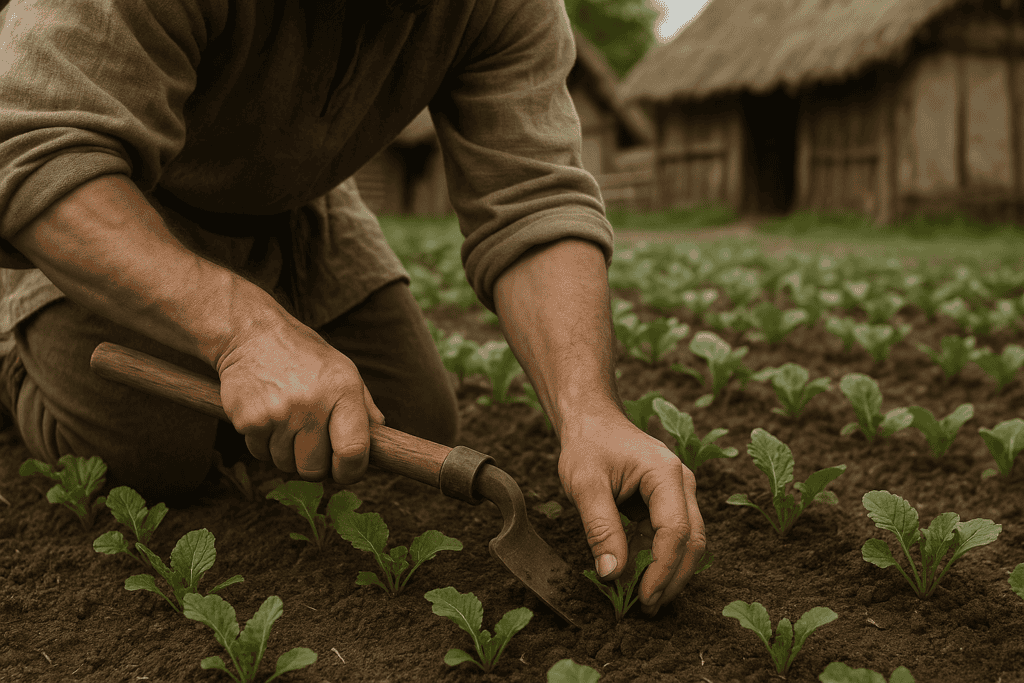
Agricultural practices stood at the core of medieval life, shaping both survival and society. With a largely agrarian economy, farming was not merely an occupation; it was an essential way of life, influencing everything from diet to social dynamics. Villagers understood that their livelihood directly relied on the land, and this deep connection fostered a culture of stewardship.
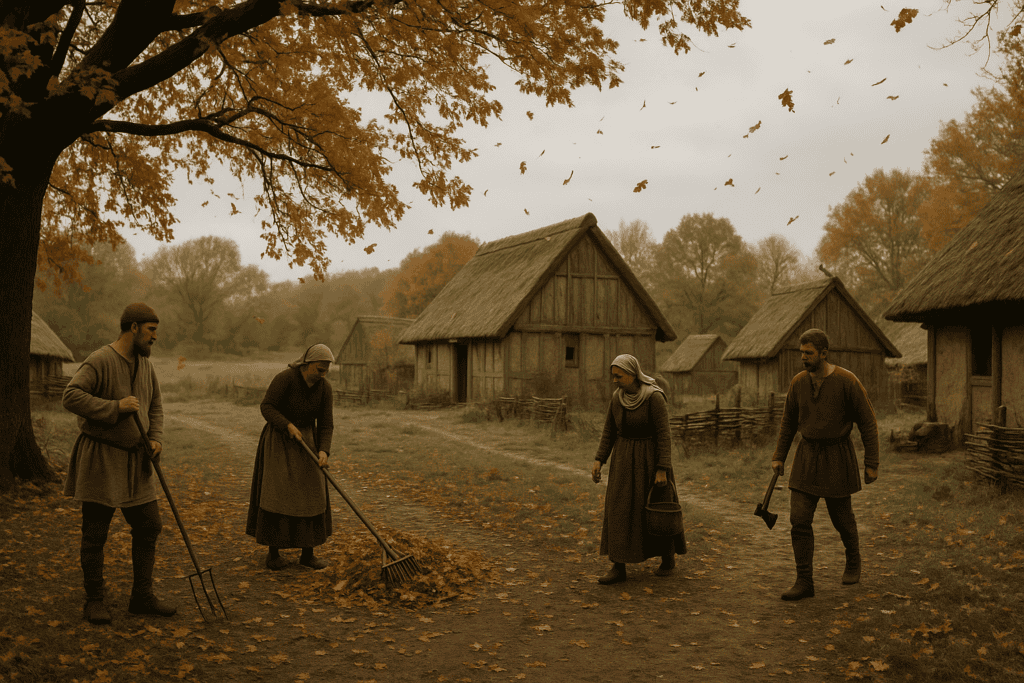
Each season unfolded a rhythm governed by agricultural needs. Spring signalled the time for ploughing and planting, while summer was consumed by weeding and tending. Autumn brought the gathering of crops, and winter heralded a period of rest and reflection. Shared tasks bound villagers, creating a sense of cohesion as they worked side by side. The rhythms of agriculture resonated throughout the community, creating lasting memories and shared experiences.
Innovations in farming also played a crucial role in community development. From the introduction of crop rotation to the use of heavier ploughs, such advancements allowed villagers to cultivate more land effectively. The openness to new methods not only increased yield but also fostered communication within and between villages about best practices.
As agriculture thrived, so too did the economy. Surplus produce allowed for trade with neighbouring communities, leading to the exchange of goods and ideas. Villagers learned to adapt their agricultural practices based on what was successful elsewhere. This connectivity broadened their understanding of the world and its possibilities, laying the groundwork for further development.
The Role of Religion in Daily Life
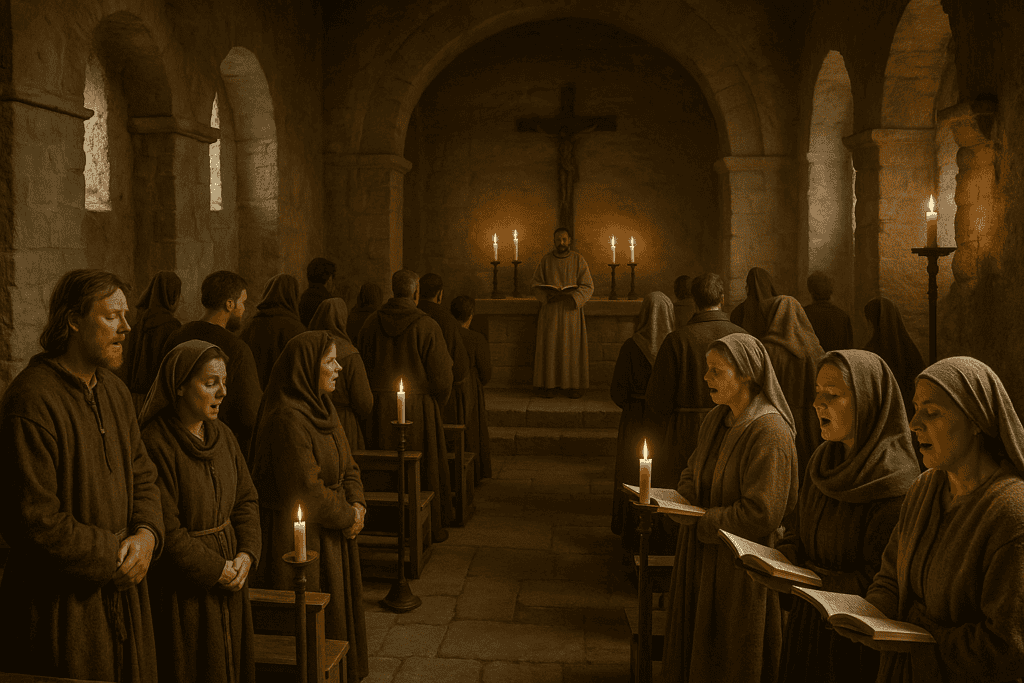
Religion was the lifeblood of medieval village life, permeating every aspect from birth to death. The Church served not only as a spiritual centre but also as a social hub. It hosted major events such as weddings, baptisms and funerals, fostering a deep sense of belonging. These gatherings allowed villagers to come together, share their stories and fortify connections that might have otherwise faltered.
The influence of the Church extended beyond ceremonies. It also taught moral values and established social norms that guided daily life. Villagers turned to religious teachings for wisdom in making difficult decisions or navigating complex relationships. This steady moral compass instilled a shared sense of responsibility, not only towards one’s family but towards the broader community.
Moreover, the Church played an essential role in education. While formal schooling was sparse, the clergy often took it upon themselves to impart knowledge to villagers, from essential literacy and arithmetic to the importance of community ethics. This created an educated populace that was better equipped to make judgments regarding governance and resource distribution within the village.
Yet, the religious beliefs that knitted communities together could also create divisions. The impact of heresy and differing interpretations of faith had repercussions that reached far beyond individual beliefs. Community conflicts revealed the fragile nature of cohesion, highlighting how shared values could be both a unifying force and a source of tension.
Community Governance and Decision-Making
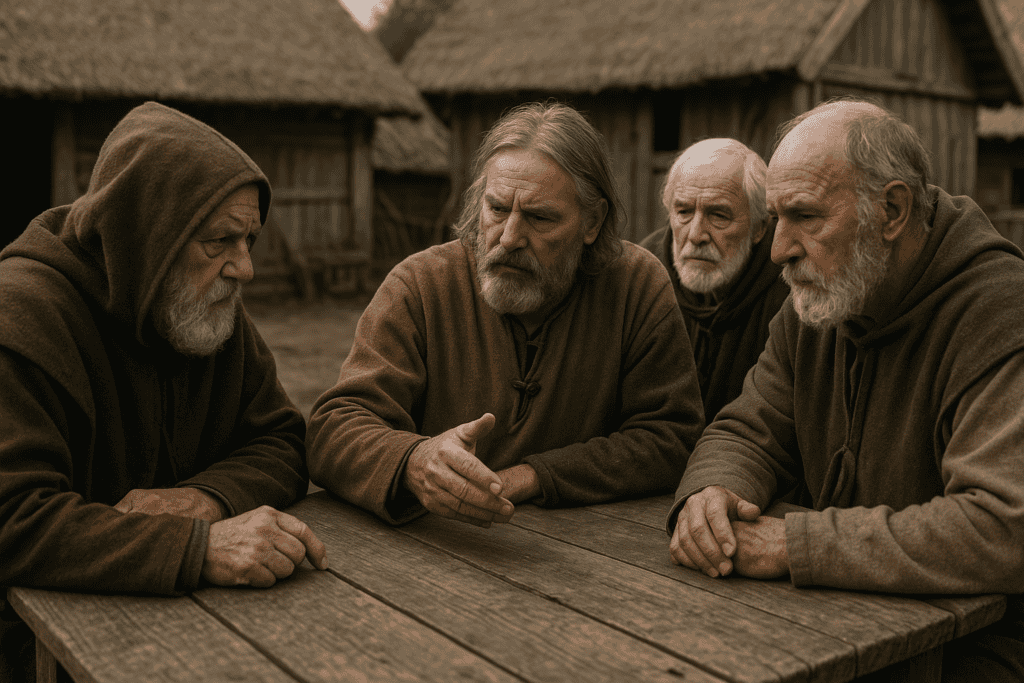
Decisions within the village often followed a model of collective participation, contrasting sharply with hierarchical governance by a distant lord. The participatory assemblies allowed villagers a platform to voice concerns, propose resolutions and ratify local laws. This practice not only empowered individuals but also encouraged a sense of ownership over personal and collective destiny.
Villagers would gather during these assemblies, often convening at the central green under the watchful eye of the lord or local leaders. Discussions could range from resolving disputes to implementing communal farming practices. The act of gathering to debate matters fostered a sense of unity and encouraged communal responsibility, reminding everyone that decisions had direct implications for daily life.
Resource allocation was another critical aspect of community governance. Fishing rights, grazing lands and crop distribution were often topics of negotiation, reinforcing the importance of equitable sharing. These conversations illuminated the villagers’ interconnectedness; a decision about one resource could affect many livelihoods. Active participation in these discussions cultivated a culture of mutual respect and transparency.
Through this communal approach to governance, villagers internalised the values of collaboration and shared responsibility. It was not merely the act of making decisions that mattered but how they did so. Each voice was significant, and each decision reflected a commitment to maintaining the health and vibrancy of the village itself. This spirit of cooperation still resonates in modern governance models today, stressing the importance of community participation.
Craft and Trade in the Medieval Economy
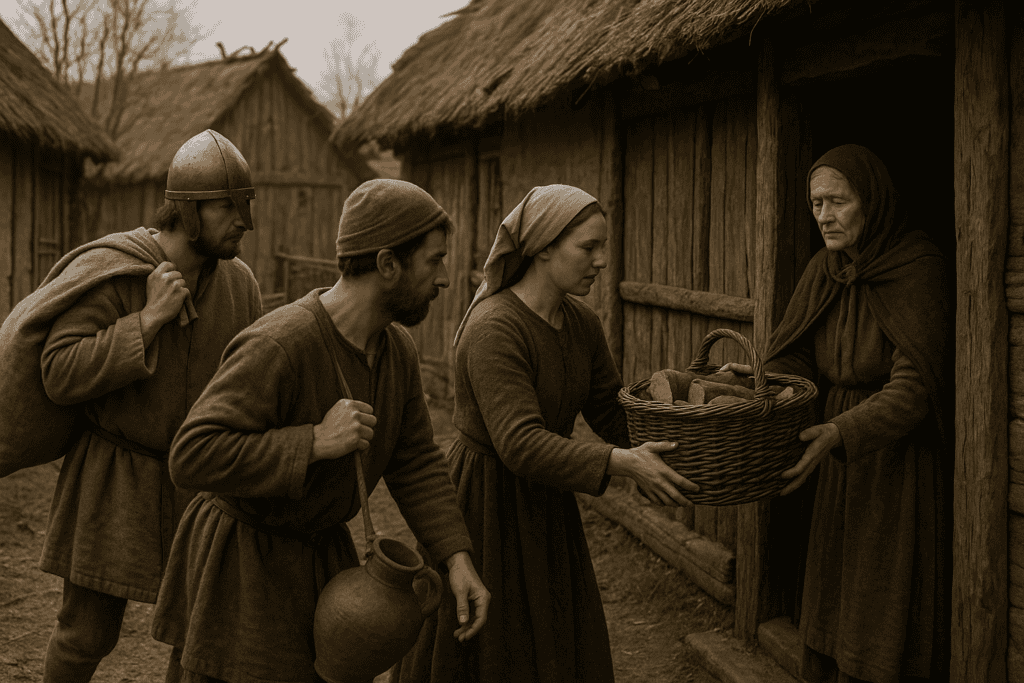
As essential as agriculture was, crafts and trade equally underpinned the medieval economy. The emergence of local artisans added yet another layer to village life, fostering a diverse network of skills and services. Craftsmanship became a point of pride and identity, as every village boasted its own array of trades, from blacksmiths to potters and weavers, each contributing critical goods that villagers relied upon.
Artisans imbued everyday life with creativity, as their creations transformed both function and aesthetic. Each crafted piece, whether a beautifully spun woollen garment or a finely wrought tool, became a symbol of both craftsmanship and community spirit. The pride in local goods brought villagers together, reinforcing social ties and shared values that transcended simple economic transactions.
Local markets flourished as points for exchange. These bustling hubs allowed not just for trade but for gossip, relationship-building, and cultural exchange. The market day drew inhabitants from neighbouring villages, expanding social networks and fostering shared identity beyond immediate localities. This created a dynamic atmosphere where ideas and innovations could circulate, leading to greater motivation and entrepreneurship amongst villagers.
The division of labour emerged as villagers began to specialise in specific crafts. This not only increased efficiency but allowed individuals to hone their skills over time. What began as basic barter eventually evolved into more sophisticated trade relationships, influencing the broader coastal trade networks. As the economy expanded, so too did the villagers’ understanding of their place within a larger socioeconomic system.
The Impact of External Forces on Village Life
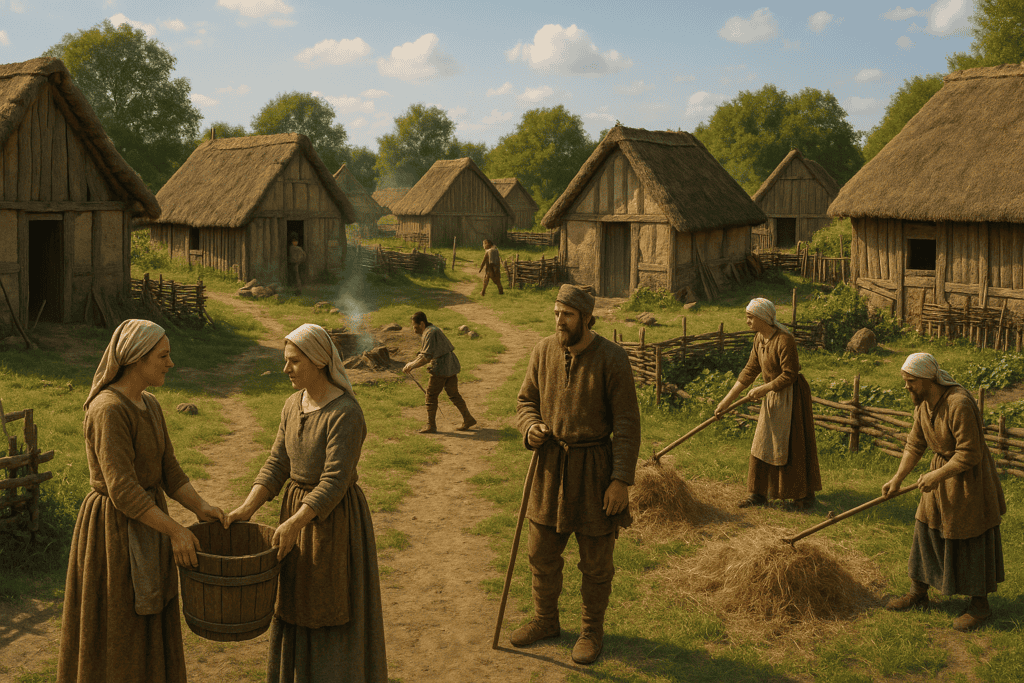
Despite the close-knit nature of medieval villages, external forces significantly shaped their existence. Political changes, be they the ascent of a new ruler or the impact of warfare, reverberated through the fabric of village life. Villagers had to adapt to shifting allegiances and changing laws, often testing their resilience and unity.
As kingdoms expanded or contracted, villages often found themselves caught in the crossfire of territorial disputes. The need to defend their homes could forcibly unify communities, igniting a shared purpose amid chaos. The repercussions of such changes were felt in daily life, from the disruption of trade routes to the demands of increased taxation. Villagers often had to adapt their lifestyles, moving between compliance with new rulers and resistance to unwanted oversight.
Economic influences also played a vital role. A shift such as the rise in demand for wool could catalyse a new economic landscape, encouraging villagers to adapt their farming practices and embrace a more market-oriented approach. Such changes were not without challenges, as new trade priorities sometimes clashed with established traditions.
Moreover, the arrival of travelling merchants introduced new goods and ideas, altering consumption patterns and inspiring innovation. This dynamic interplay made villages both vibrant and vulnerable, as they had to balance local customs with external influences. Thus, the ebb and flow of external forces profoundly impacted community life, offering reminders of the ever-changing tapestry of historical context.
Rethinking the Legacy of Medieval Villages
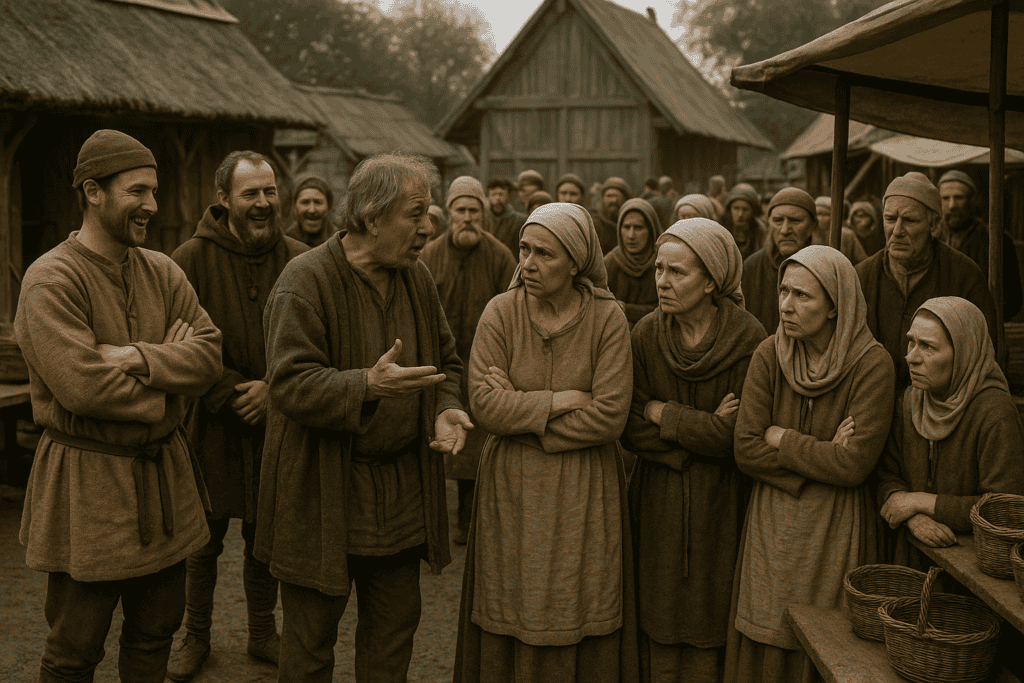
The lasting legacy of medieval villages deserves a closer look, especially given their profound influence on modern society. The values of community and cooperation remain relevant, urging us to re-examine how we engage with one another in a rapidly evolving world. The lessons learned from these villages are critical in understanding our own societal structures today.
Community values such as mutual respect, collaboration and service to one another echo surprisingly well in contemporary society, despite significant technological and social advancements. As we navigate complex modern challenges, revisiting these values may help guide collective efforts to foster a sense of belonging and shared purpose. Efforts to strengthen community ties echo the very essence of medieval existence, grounding us in the lessons of history.
Furthermore, the influence of daily life in medieval villages on art, culture and even politics is undeniable. The simplicity of existence gave rise to rich cultural traditions, oral tales and customs that significantly shaped European identity. From folk art to music, many elements can trace their lineage back through the centuries, reminding us of the intricate tapestry of human experience.
As we reflect on the past, it is essential to recognise the potential for individual actions and community dynamics to shape the future. The daily rhythms of medieval village life teach us that even small, seemingly mundane activities can foster connection and encourage meaningful change in a society. Building strong communities retains its relevance, offering pathways for resilience and support.
Conclusion: Why Medieval Village Life Matters
Looking back on medieval village life unveils a tapestry that goes beyond mere survival; it forms a guide for contemporary living. The insights gained from their experiences in community, agriculture, governance and trade serve as a foundation to explore our present-day challenges.
The intertwined relationships and practices in these ancient communities offer valuable lessons about resilience, collaboration and moral grounding. By understanding how medieval villagers navigated their world, we gain insights into our own capacity for connection and adaptability, reinforcing the belief that individual contributions matter for the greater good.
As we grapple with the complexities of modern life, revisiting the values of medieval communities can inspire new pathways for building connections. The essence of communal living, interdependence and a shared sense of purpose remains relevant as we seek to cultivate an inclusive and supportive society. In a world that can sometimes feel fragmented, the legacy of medieval village life serves as a powerful reminder of our innate human need for connection, understanding and collaboration.