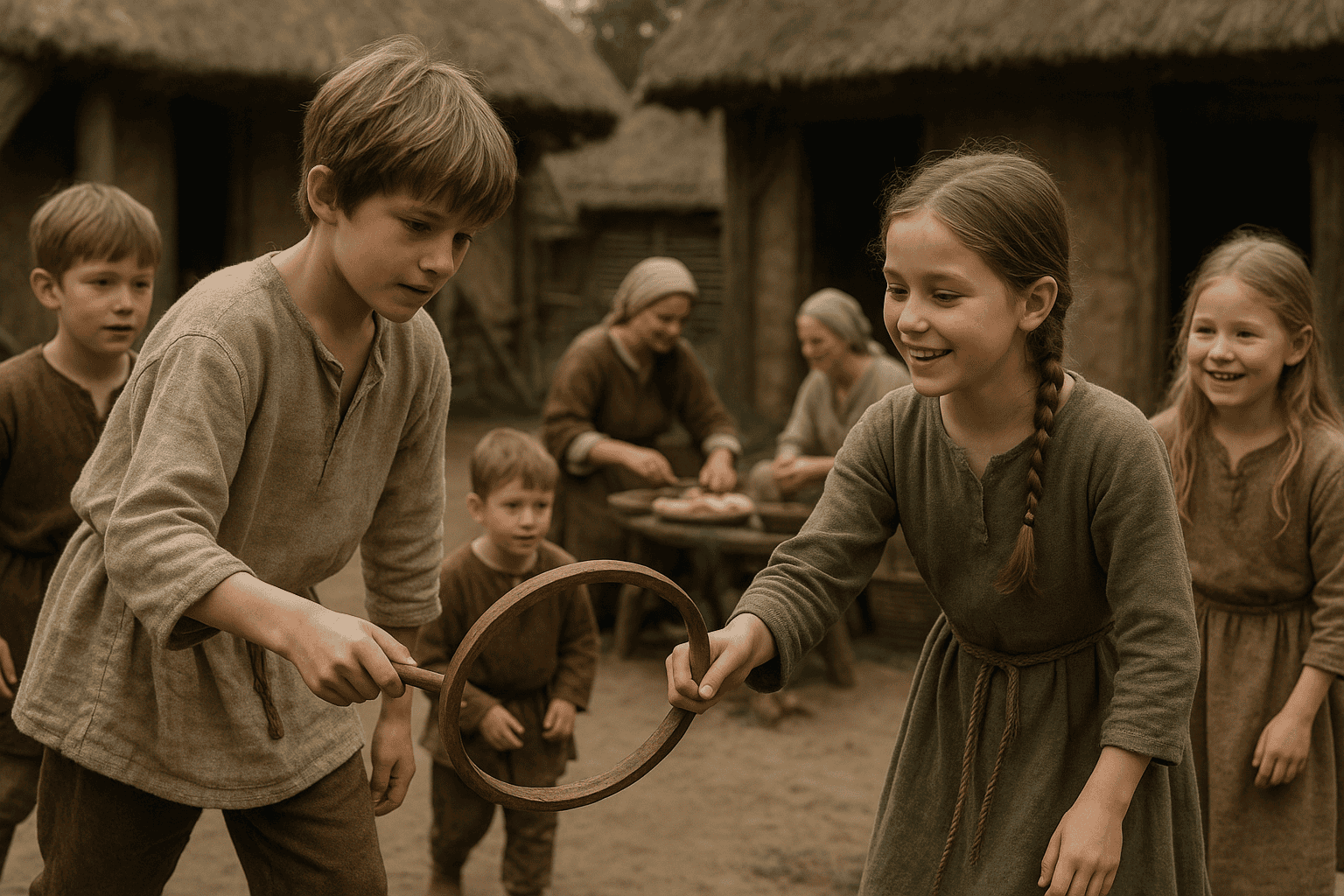
Social and Cultural History focuses on how ordinary people lived, worked, believed, and understood their world. This category moves beyond kings, generals, and governments to explore daily life, social structures, traditions, and cultural change across different periods of history. Here, history is told through homes, workplaces, religious practice, family life, education, and leisure. It asks how people experienced major events, not just how those events were decided. Plague, industrial change, religious reform, and social inequality all appear not as abstract forces, but as lived realities. This category examines class, gender, belief, and community, showing how societies organised themselves and how those structures evolved over time. Cultural expression, from ritual and language to art and custom, is treated as evidence of how people understood their place in the world. Social and Cultural History also reveals how gradual changes can be just as transformative as dramatic events. Shifts in work patterns, household life, or belief systems often reshaped society more deeply than any single law or battle. Readers will find richly detailed explorations of everyday life, grounded in historical evidence and written to make past societies feel intelligible rather than distant.
© Copyright 2026 Digging Deep Histories. All Rights Reserved.