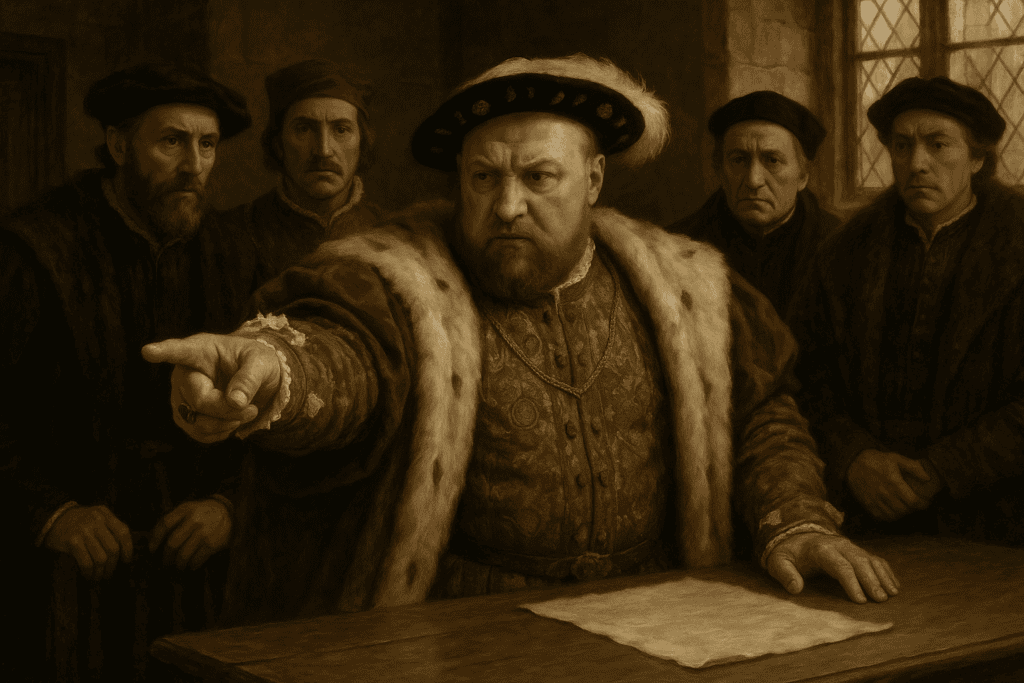

The Tudor Succession Crisis, an era riddled with political intrigue, passionate rivalries, and profound implications for the future of monarchy, has long intrigued historians. At first glance, it may appear to be a series of succession disputes among a family. However, beneath the surface lies the foundation for issues that would shape modern governance and the role of women in power. The implications were far-reaching, and this event resonated well beyond the 16th century. Professor Henry Ashford.
The Seeds of Succession
The Instability of the Tudor Line
The Tudor dynasty, which began with Henry VII’s victory in 1485, was marked by a relentless struggle for stability and legitimacy. Although the Tudors started their reign with a unifying vision, the blood-soaked battles of the Wars of the Roses left deep scars. They needed a clear line of succession to protect their status and establish legitimacy. From the outset, Henry VII’s marriage to Elizabeth of York was part of a carefully constructed plan to unite warring factions, yet the roots of instability were never far from the surface.
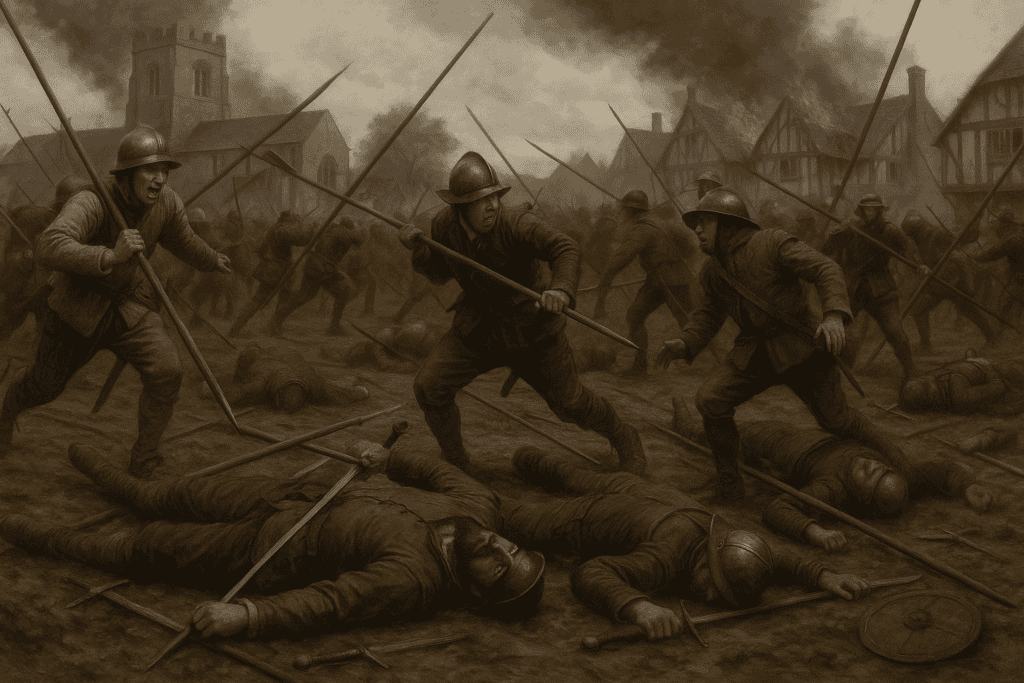
Henry VIII’s desire for a male heir intensified the crisis. After three marriages and the annulment of his first, Henry’s quest for a son led to catastrophic social and political shifts. The execution of Anne Boleyn and the fall of Thomas Cromwell were not mere personal tragedies but represented a chilling harbinger of the violent repercussions that could befall any who threatened the King’s vision of succession. These conflicts laid the groundwork for a dynasty characterized by rivalry, conspiracy, and opportunism.
When Henry VIII finally secured a male heir with Edward VI, he believed that his dynasty was secure. However, Edward’s short-lived reign left a power vacuum upon his untimely death. The uncertainty surrounding succession became a heavy burden, and the question of who would inherit the throne loomed large, overshadowing every decision in the court. Multiple claims to the throne from various factions added to the instability, setting the scene for future strife.
This strain had far-reaching consequences. As different factions vied for power, it not only destabilised the monarchy but also pitted countrymen against each other. The seeds of mistrust and discontent sown during this period can be traced through centuries into modern politics, where questions of legitimacy and succession continue to evoke controversy.
The Daughters of Henry VIII
The Complicated Lineage
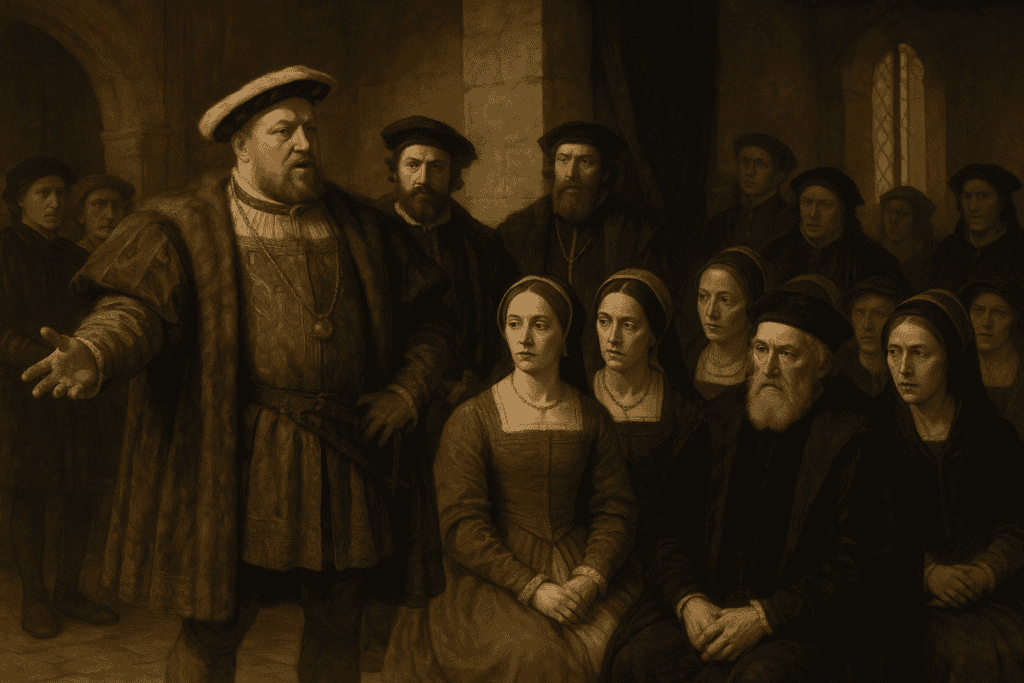
Henry VIII’s notorious matrimonial escapades produced two daughters with significant claims to the throne. Mary I and Elizabeth I would each take their turn in ruling England, yet their paths reveal a tumultuous legacy filled with strife and misunderstanding. The question of legitimacy dogged both women throughout their lives, echoing the broader societal anxieties about female sovereignty.
Mary, the first-born daughter, had always been seen as a natural successor. However, her mother’s marriage to Henry VIII was declared invalid, stripping Mary of her royal status when she was a child. When she finally ascended to the throne in 1553, she faced not just a divided kingdom but a society deeply entrenched in patriarchal norms and fears about female rule. Her reign, marked by persecution and religious fervour, was a bid to assert her authority, yet it also highlighted the vulnerabilities of a female monarch.
Elizabeth I, who succeeded Mary, also grappled with the stigma of being a woman in power. Despite her astute political acumen, Elizabeth inherited a kingdom fractured by religious conflict and factional warfare. Her response was to masterfully navigate the treacherous political waters, asserting both her sovereignty and legitimacy. The fact that Elizabeth remained unmarried became a source of both power and vulnerability. By refusing to marry, she managed to retain her autonomy, but this also drew questions about her legitimacy as a ruler, a theme that resonates with modern discussions about female leadership.
The complexities surrounding the Tudor daughters illuminate the societal perceptions of gender, authority, and legitimacy. Their struggles for acceptance as rulers highlight the challenges of monarchy in an age where women were often seen as unfit to govern, drawing a direct line to the governance structures lingering in modern political discourse today.
Mary, Queen of Scots
The Clash of Monarchs
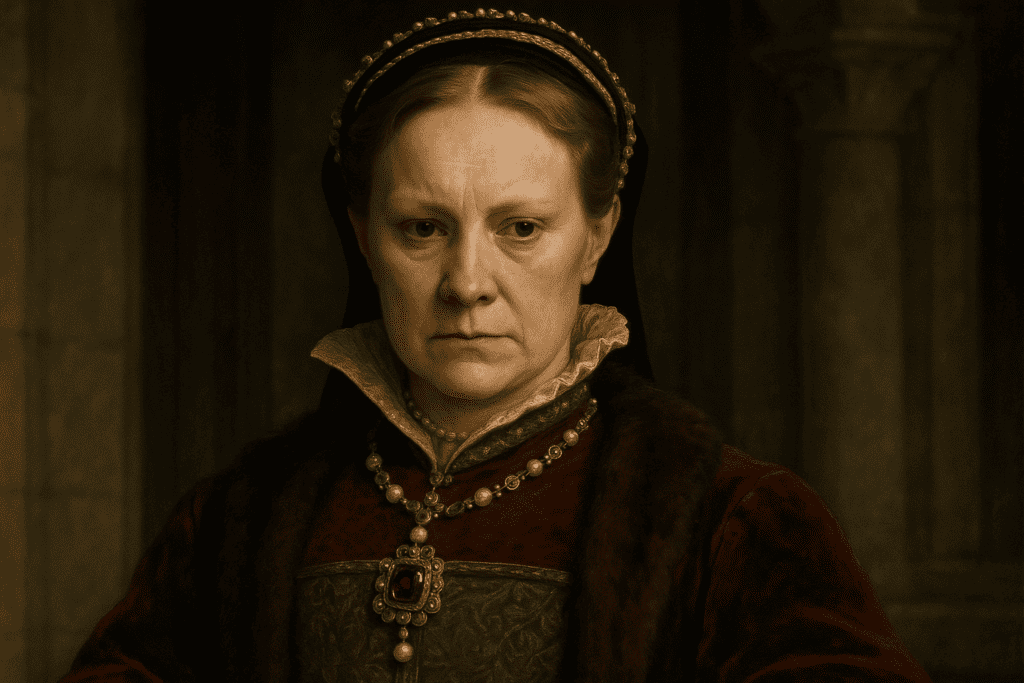
Mary, Queen of Scots, emerged as a formidable figure during this tumultuous time. As a cousin to Elizabeth I, both women represented rival claims to the English throne, highlighting the intricate web of dynastic politics at play. The two queens never met, yet their rivalry sparked one of the most theatrical episodes in history, affecting not only their reigns but also the future of both Scotland and England.
Mary’s return to Scotland after the death of her first husband reignited the centuries-old conflict between England and Scotland, further complicating an already fragile royal and political landscape. Her marriage to Henry Stuart sparked insurgencies that would reverberate for years. The intrigue surrounding Mary’s reign sparked fears in Elizabeth’s court, leading to Elizabeth’s increasing paranoia and the decision to imprison Mary for nearly 19 years.
The public perception of Mary as a legitimate monarch, despite her turbulent rule, pressured Elizabeth to act, forcing her to navigate a dangerous political landscape where failure could lead to calamity. The clash between these two queens underscored the precarious balance of power, revealing how interconnected the fates of these two nations were. The impact of their rivalry was felt not just in their lifetimes but reverberates through the ages, influencing the trajectory of monarchy itself.
The eventual execution of Mary in 1587 may have resolved one crisis but set a precedent for the treatment of rivals in the pursuit of political authority. The rivalry between the two queens blurred the lines between family loyalty and political pragmatism, illustrating the extremes to which monarchs would go to secure their legacies. This dynamic of rivalry among leaders continues to affect the disposition of power in contemporary governance.

The Denial of Female Rule
Challenges to Female Sovereignty
The Tudor Succession Crisis highlighted a significant issue: the denial of female sovereignty in monarchal governance. Both Mary and Elizabeth were forced to navigate a landscape dominated by male power dynamics. Society writ large often questioned their right to rule based solely on their gender, producing enduring doubts about the ability of women to govern effectively.
When Mary ascended to the throne, her rule was met with scepticism, often overshadowed by the spectre of her predecessors. The unyielding belief that a male ruler was inherently superior clashed with the stark reality that both women inherited a throne with complex responsibilities. Even Elizabeth, despite her eventual success and skill in governance, faced constant scrutiny and pressure to marry, thereby defining herself by her potential to bear heirs rather than her own accomplishments.
The denigration of female rulers in this period forced women into a defensive posture, requiring them to justify their authority time and again. This struggle for legitimacy played itself out in subtle and overt ways, impacting public perception and the policies that these queens adopted. They had to navigate not only court politics but also societal expectations, revealing the psychological toll and systemic barriers women faced in the quest for legitimacy.
This persistent denial remains relevant in discussions about female leadership today. The challenges faced by female monarchs in Tudor England offer sobering insights into the long-standing struggles women have encountered in political authority, underscoring the deeply ingrained cultural narratives that still shape perceptions of female leaders.

The Role of Religion in Succession
Faith and Political Alliances
Religion was a potent tool in the power struggles of the Tudor period, intertwining with issues of succession, legitimacy, and governance. The Reformation shifted religious allegiances and created fierce divisions within England, complicating the landscape for any monarch attempting to assert their reign. The Protestant Reformation not only transformed English religious life but also reshaped the politics of succession.
Henry VIII’s break from the Catholic Church to annul his marriage to Catherine of Aragon was driven by his desire for a male heir. This contentious act led to the creation of the Church of England, resulting in widespread unrest and legal challenges that played out over the ensuing decades. The emergence of Protestantism, cloaked in the language of divine right, was at the heart of political battles involving legitimate succession, as Catholic claimants often found their rights delegitimised.
Mary I’s staunch Catholicism prompted her to pursue a restoration of Catholicism, often using brutal methods. Her reign became synonymous with persecution, leading to the moniker “Bloody Mary.” Her actions alienated significant portions of the populace, escalating tensions that perpetuated instability. Conversely, Elizabeth’s Protestant rule had to contend with the residual loyalty to Catholicism in England and abroad, challenging her ability to maintain power.
The interplay of religion and politics during this time set divergent trajectories for England and its monarchy. The turbulence exacerbated by religious schisms remains an integral part of modern political discourse, where faith continues to intersect with governance, often reshaping alliances and rivalries in unforeseen ways.
The Power of the Nobility
Influence of Noble Families
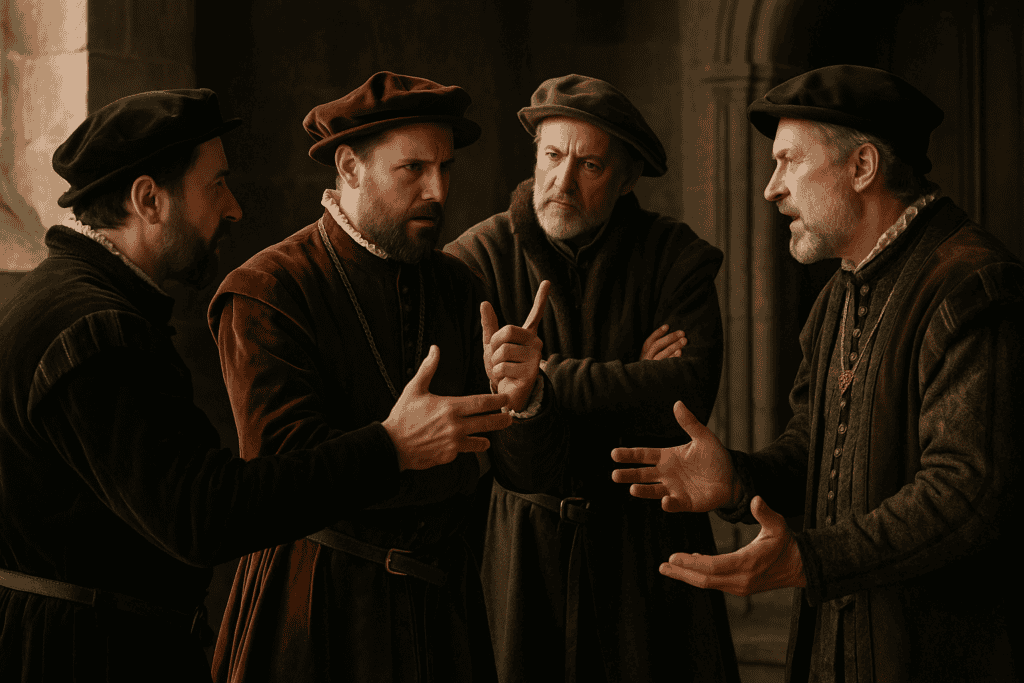
The power dynamics of the Tudor Succession Crisis were heavily influenced by the role of the nobility. The aristocracy played a central role in shaping the succession debates and choosing sides in the ongoing struggles for the throne. The decisions made by noble families had lasting implications for the balance of power and the fate of the monarchy.
The tensions between noble families escalated during this period, with disparate factions often seeking to align with or oppose the reigning monarch. The influence of figures such as the Seymours, the Howards, and the Dudleys became increasingly pronounced. Their shifting loyalties set the stage for political machinations that would undermine the stability of the throne, resulting in a landscape rife with betrayal and alliances.
This tumultuous period encouraged noble families to wield their power more effectively, often positioning themselves as kingmakers rather than mere supporters of the monarchy. For instance, the Seymour family sought to place Edward VI’s cousin, Lady Jane Grey, on the throne, resulting in a short but chaotic reign that sowed discord across the country. Similarly, intrigues involving Mary and Elizabeth provided fertile ground for noble families to attempt to assert their influence at the highest levels.
Ultimately, the actions of these noble families not only impacted the immediate succession issues but also established enduring patterns of governance. The lessons of power dynamics amongst nobles would shape the political landscape of England for centuries, highlighting the complexities of monarchy and the influences that constantly challenge authority.
The Enduring Legacy of the Crisis
Shaping Modern Governance
The Tudor Succession Crisis may seem distant, but the implications resonate in modern governance. The interplay of legitimacy, religious affiliation, and the never-ending struggle with gender norms laid the groundwork for contemporary political systems. From questions of royal succession to the ongoing debates surrounding female leadership, the echoes of Tudor struggles can still be felt today.
In the modern era, the requirements of royal succession have evolved, but struggles over legitimacy, especially during times of uncertainty, continue to play out. Monarchies today often find themselves navigated the same turbulent waters of national identity and public trust that plagued their Tudor predecessors. The lessons drawn from the intricate narratives of Mary, Elizabeth, and their challengers serve as guides for navigating complex political landscapes.
Furthermore, the impact of religion on governance, visible during the Tudor period, prevails in today’s world. The same tensions that existed between Protestantism and Catholicism echo through modern societies, where faith continues to be a powerful force shaping political alliances. The balance between personal belief and public duty remains a focal point of contention, now as it was then.
The legacy of the Tudor Succession Crisis extends beyond the realm of monarchy; it serves as a template for understanding modern governance. Complicated by gender, religion, and the enduring influence of the nobility, these themes invite us to reflect on the complexities inherent in leadership and the structures that govern society. As we navigate our contemporary political arena, lessons from the Tudor legacy remind us of the importance of adaptability, inclusivity, and the ongoing discussions surrounding authority and legitimacy.