

Introduction to the Black Death
The Black Death, a term that evokes a visceral reaction even centuries later, was a catastrophic pandemic that swept across Europe in the mid-14th century. Emerging around 1347, it was caused by the bacterium Yersinia pestis, transmitted through fleas and rodents. This terrifying disease did not merely spread through cities and towns; it infiltrated the very fabric of society, bringing about changes that defined a new era. Most notably, the death toll from the Black Death is estimated to have wiped out between a third and half of Europe’s population in a matter of years, with staggering consequences that were felt far beyond the immediate loss of life.
The initial shock of the plague was palpable. As corpses piled up in the streets and graveyards overflowed, communities were gripped with fear and disbelief. The rapid decline in population caused a seismic shift in how societies operated, from governance to daily life. Historians often focus on the immediate horrors of the Black Death, yet the ramifications went much deeper, planting the seeds of transformation that would blossom over the following centuries.
This pandemic did more than just take lives; it upended social, economic, and cultural structures. Many fail to appreciate how foundational this event was for the Renaissance, the Reformation, and the emergence of modernity. The fear wrought by the plague intertwined with a growing awareness of individual human experience, reshaping not just societies but the very understanding of life, morality, and health itself.
By delving into the multifaceted impacts of the Black Death, we can uncover why this event mattered more than many people realise. It served as a catalyst for monumental changes that would forever alter the course of history.
The Initial Outbreak and Response
The Shock of the Plague
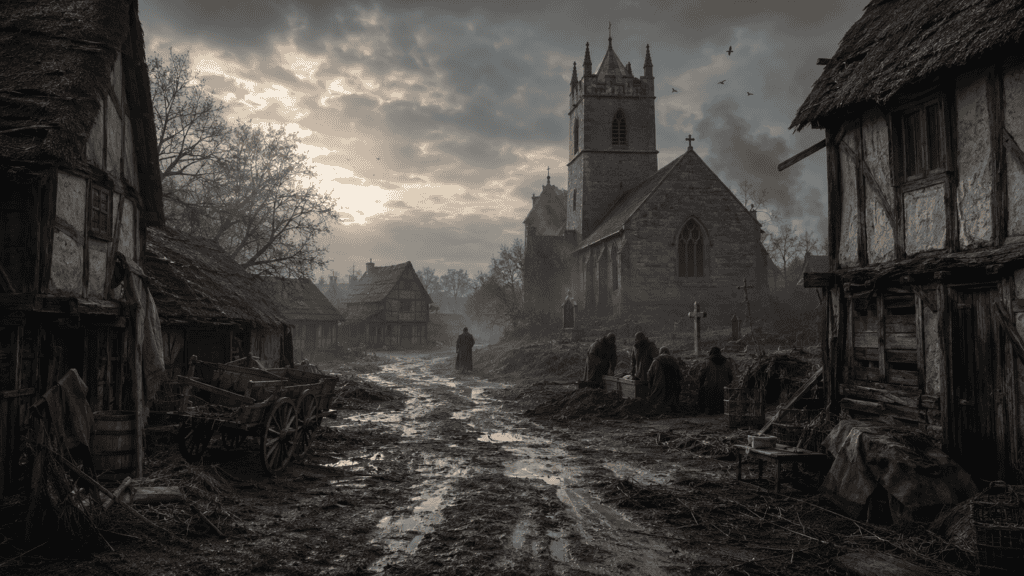
Imagine waking up one morning to the stench of disease thickening in the air. For those living in medieval Europe, this scenario became reality when the Black Death first struck. The drastic spread of illness caught communities off guard, leading to panic and chaos. In cities like Florence, Paris, and London, harrowing tales emerged as citizens experienced symptoms ranging from fever to the infamous buboes, painful swellings in the lymph nodes. Death often came swiftly, usually within days.
The psychological impact of such a tragedy reverberated throughout the continent. People grappled with existential dread, and the world as they knew it began to crumble. Families turned against each other, and the deeply-rooted dynamics of society dissolved in the face of this omnipresent threat. Grief became a shared experience, yet communities found themselves isolated, struggling to come to terms with sudden loss.
Responses to the outbreak varied widely, with some regions banding together to seek refuge within their walls. Others resorted to scapegoating, targeting specific groups such as the Jewish communities, who were wrongly accused of poisoning wells. This social turmoil further exacerbated an already dire situation and laid the groundwork for long-lasting prejudices.
Despite the chaos, the plague ignited early discussions of public health. Although many beliefs about disease were misguided, the need for action became urgent. The fear and desperation catalysed significant—though often misguided—efforts to isolate the sick, establish quarantine measures, and educate populations about hygiene, setting a precedent for future public health initiatives.
Government Responses and Public Health
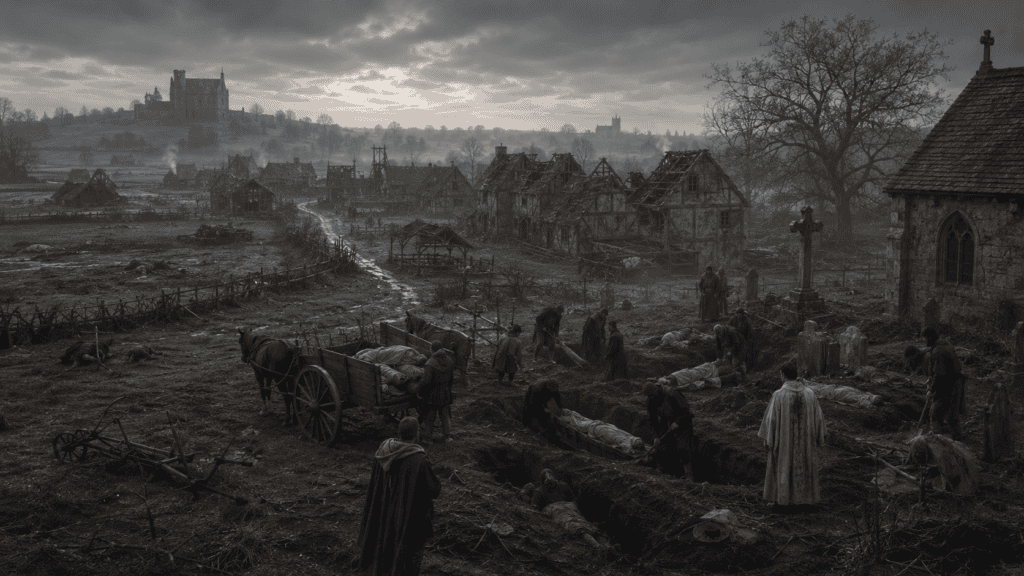
In the wake of the Black Death, governments faced an unprecedented challenge. The need for coherent policies became evident as death tolls rose alarmingly. Rulers and local authorities scrambled to respond. Sanitary regulations began to emerge, albeit imperfectly. City officials in some areas ordered the closure of marketplaces and public places to curb the spread of disease.
These early efforts, though rudimentary, marked an important shift in how authorities perceived their responsibility towards public health. The concept of quarantine emerged, initially perhaps more a matter of self-preservation than ethical duty. Local governments began instituting measures to isolate affected areas, leading to the establishment of the first quarantine laws, which would evolve in subsequent centuries.
However, the immediate governmental response revealed the limitations of medieval governance. The lack of understanding concerning the plague’s transmission hampered effective action. Despite these limitations, the crisis laid the groundwork for future advancements in public health. The grim lessons learnt through experience prompted medieval societies to consider not just individual health, but collective wellbeing, an idea that would resonate throughout history.
Lasting changes in governance also occurred as leaders began to grasp the importance of a knowledgeable citizenry. The aftermath of the plague ushered in a more engaged populace, and as communities became increasingly concerned about their health and future, the authority of the traditional ruling classes began to be challenged.
Changes in Social Structure
Shift in Power Dynamics
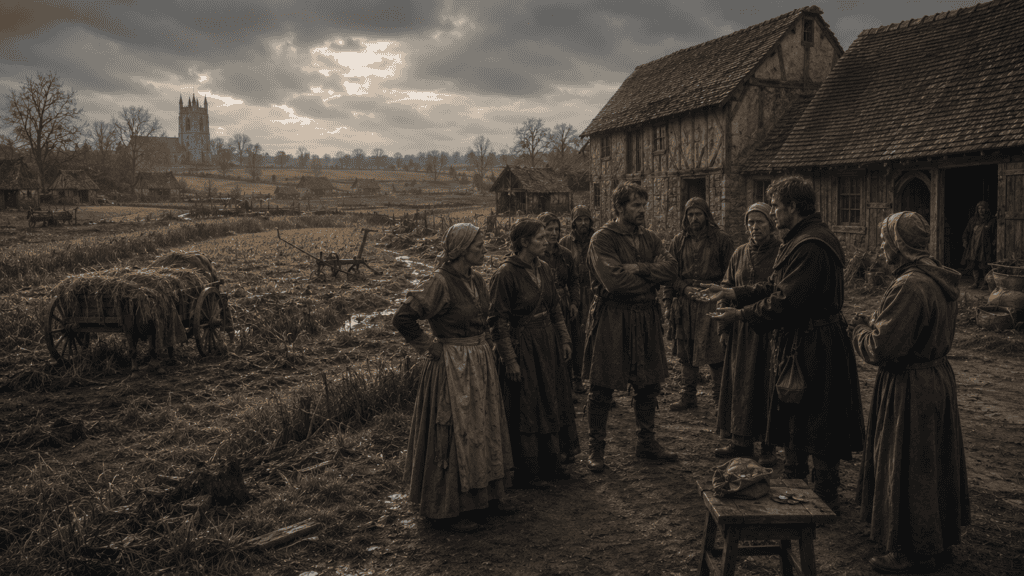
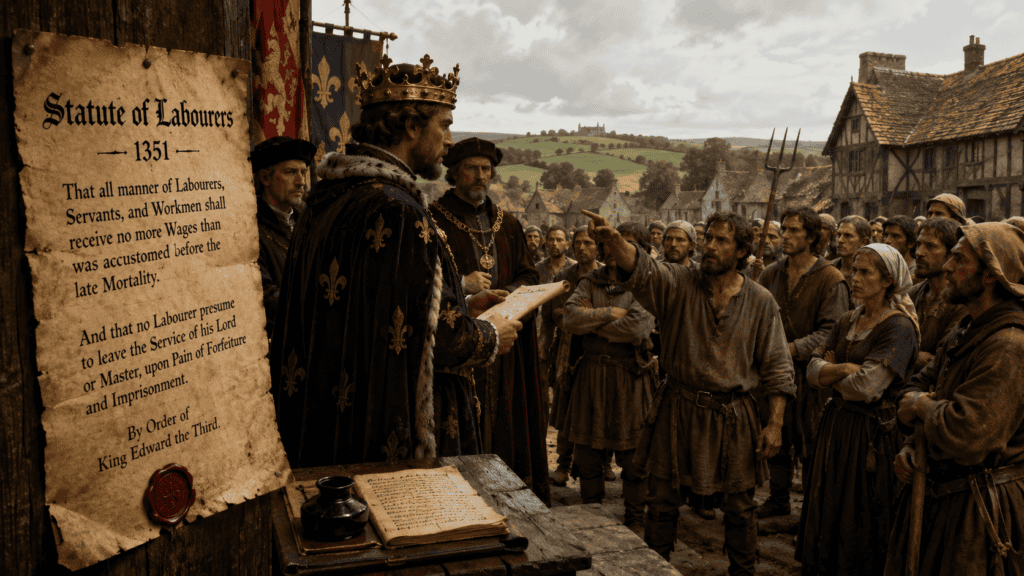
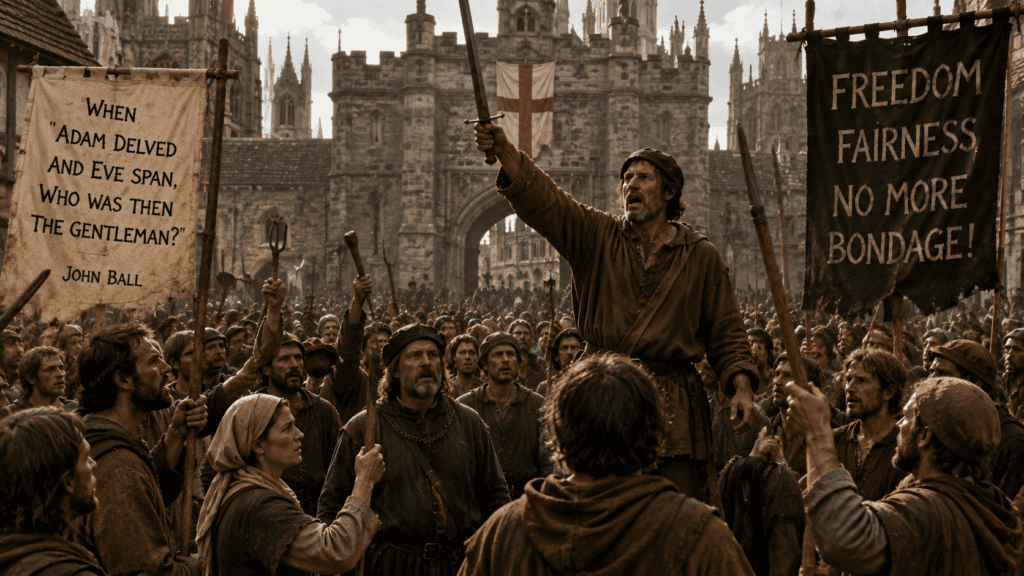
As grim as the consequences of the Black Death were, the societal shifts it prompted were revolutionary. The staggering loss of life redefined existing hierarchies. With an acute labour shortage, the feudal system, long viewed as sacrosanct, faced inexorable pressure. Peasants, once tethered to their lords by obligation, began to assert newfound bargaining power. This was especially true in England, where the price of labour skyrocketed due to shortages.
As serfs and labourers found their worth rising, the rigid structures that defined medieval society began to crack. Many chose to leave their lords’ land for better opportunities or wages. This mobility not only highlighted the changing social fabric but also altered perceptions of class. As common people gained unprecedented leverage, the feudal lords watched their power dwindle, leading to a gradual migration towards more equitable forms of governance.
Moreover, this newfound mobility fostered a sense of individual identity. For the first time, people began to see themselves not just as members of a class but as individuals with agency and rights. The structure of society, once immovable, now allowed for personal aspirations to shape destiny. This cultural shift would spur on movements towards greater democracy in the centuries to follow, profoundly reshaping Europe.
The Role of the Church
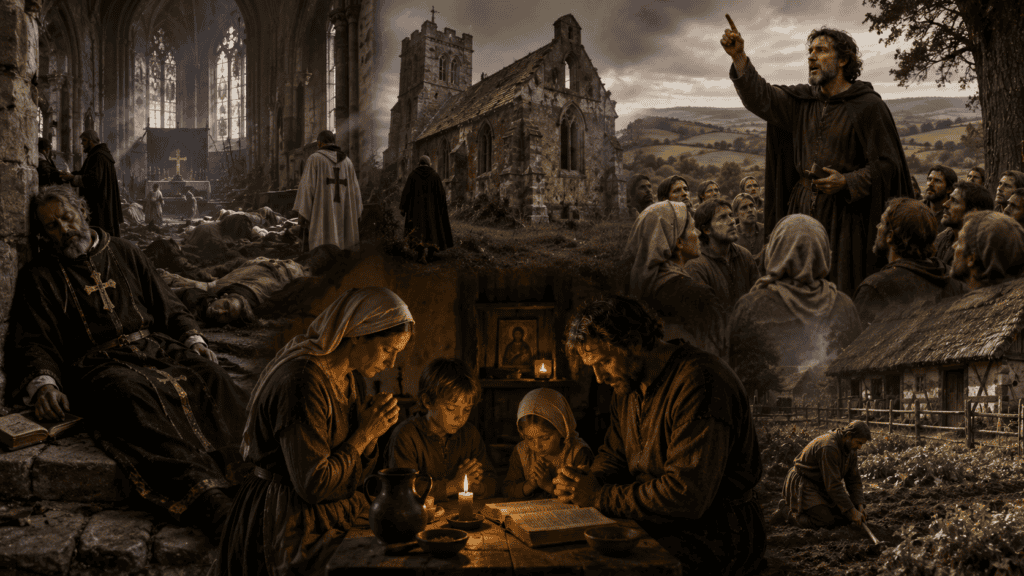
The Church, which had long been the arbiter of morality and societal values, found itself in a precarious position amid the plague’s onslaught. As spiritual leaders failed to provide answers or solutions, mass disillusionment ensued. Many questioned why divine intervention seemed absent in the face of such tragedy. This critical moment marked a distinct rift between the populace and the Church, paving the way for reformative thinking.
The clergy, mourning alongside their congregations, were often struck down by the plague themselves. This lack of spiritual guidance led many to seek solace outside the confines of religious authority, igniting curiosity and exploration of alternative beliefs. As people began to turn inward, a profound shift towards personal spirituality emerged, setting the stage for the Protestant Reformation in the 16th century.
As the power of the Church waned, other beliefs flourished. The Black Death’s chaos fostered an environment ripe for new ideas about morality, governance, and individual responsibility. The ecclesiastical hierarchy learned that steadfast loyalty could not simply be expected without evidence of support. This shift ultimately contributed to a society more inclined to question established authority.
Gradually, these transformations in the cultural landscape returned to haunt the Church. The very foundations that had kept it secure began eroding as a new thirst for knowledge emerged, culminating in a Renaissance that sought illumination beyond dogma.
Economic Transformations
Labour Market Changes
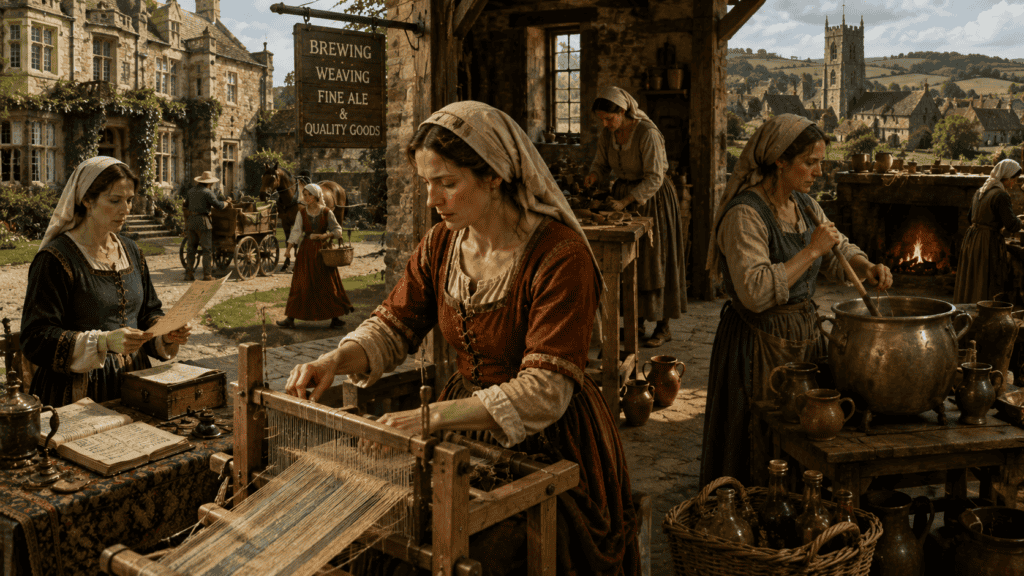
The economic ramifications of the Black Death were profound and far-reaching. As the population plummeted, labour became scarce, leading to a radical transformation in the labour market. With fewer hands to till the fields or work in workshops, wages for labourers increased dramatically, as did the demand for their services. This created a unique opportunity for the lower classes to assert themselves within an economy that suddenly needed them more than ever.
Peasants began fleeing lords’ estates for towns, seeking better-paying jobs and thus accelerating urbanisation. New industries emerged to meet the demand for various goods and services, with artisans gaining prominence. This new economic landscape not only altered the power dynamics but forever changed how societies perceived work and compensation.
The Black Death also prompted changes in agricultural practices. With fewer mouths to feed, there was less pressure on the land. As a result, crop rotation practices and new methodologies began to develop, emphasising efficiency and sustainability. This agricultural revolution laid the groundwork for future food security, transforming local economies from subsistence to surplus.
Moreover, the flow of wealth began to reshape traditional markets. As the economy stabilised and craftsmanship flourished, the foundations for modern capitalism began to take shape. The accumulation of wealth now transcended noble lineage, ushering in an era where merit would begin to matter as much as birth.
Agricultural and Trade Shifts
The Black Death also triggered remarkable changes in agricultural practices and international trade networks. As labour shortages caused by the pandemic forced landowners to adapt, new farming techniques came into prominence. Crop rotation became more widespread, and the cultivation of diverse crops gained popularity. This diversification not only improved yields but also contributed to greater food security.
Farmers began focusing on quality over quantity, nurturing the shift towards a more sustainable agricultural model. They realised that healthier soil and diverse crops could ensure a steadier income. This movement fostered a burgeoning class of skilled farmers and artisans, initiating a slow but steady transformation of rural life.
In terms of trade, the pandemic disrupted existing networks, causing regional and global commerce to shift. Northern trade routes previously dominated by luxury goods morphed into pathways for essential commodities, changing the landscape of trade significantly. Cities that adapted quickly to this shift in supply and demand flourished, often becoming economic powerhouses.
With the rise of merchant classes, a commercial revolution took place alongside the economic restructuring. As individuals amassed wealth, they began to exert influence not just locally but further afield. This newfound economic agency proved instrumental in facilitating the gradual breakdown of feudalism, further propelling the world towards modernity.
Impact on Art and Culture
Artistic Evolution
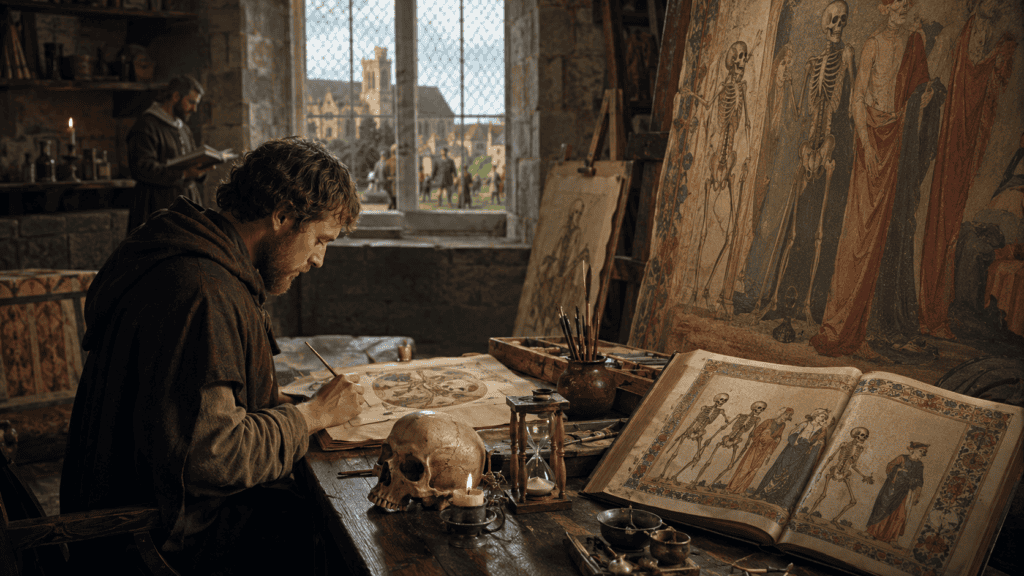
The Black Death had a profound influence on the art scene of the time, changing how creators viewed their role and subject matter. Artists became increasingly interested in capturing the somber realities of life, imbuing their works with emotion and depth. As death loomed large, the themes of mortality, transience, and human emotion took centre stage in art.
This period gave rise to a genre known as ‘Danse Macabre,’ or the Dance of Death, which vividly illustrated the universality of mortality. Artists like Hans Holbein the Younger incorporated these themes into their works, reflecting society’s collective struggle with loss and grief. The creation of such works connected individuals at a time when isolation felt more pronounced than ever.
Moreover, the cultural shift spurred by the pandemic catalysed new movements within the arts. As people searched for hope amidst despair, Renaissance ideals began to flourish. These artistic expressions highlighted the complexity of human existence and the value of the individual, leading to masterpieces that celebrated both the mundane and the divine in a new, more humanistic light.
Alongside painting and sculpture, other art forms flourished as well. The era saw an increase in the popularity of illuminated manuscripts and detailed book illustrations, helping democratise access to knowledge and aesthetics. This artistic evolution enabled a richer cultural dialogue, fostering an appetite for exploration and creativity that transcended the devastation of the plague.
Literary and Musical Responses
The literary and musical landscapes experienced a similar transformation as a reaction to the Black Death. Writers began to tackle themes of loss, morality, and the human condition more openly. Notable authors like Geoffrey Chaucer and Giovanni Boccaccio explored the psychological implications of the plague, crafting narratives filled with real human experiences and emotions.
Boccaccio’s “Decameron” serves as a vivid example of this response, where a group of individuals sequesters themselves away from the chaos to share stories. This anthology not only reflects the fear and tragedy of the time but also the resilience and creativity that emerged in the face of adversity. The stories captured humanity in its rawest form, laying the groundwork for modern storytelling by honouring perspective and voice.
Musically, the impact of the Black Death also manifested itself through a shift in themes and emotional depth. Composers were influenced deeply by the tumultuous backdrop of the plague. The content became more melancholic, as artists sought to encapsulate the sorrow and despair enveloping society. Choral and liturgical music, often used as a conduit for spiritual reflection, adapted to include sonorous, haunting compositions that still resonate with audiences today.
Ultimately, the literary and musical responses to the Black Death celebrated human resilience, revealing deep facets of culture that had previously remained unexplored. As artists of all disciplines sought to respond to grief and loss, they created pathways for dialogue and healing that would echo through the ages.
Shifts in Public Health and Medicine
Emergence of Public Health Measures
The catastrophic consequences of the Black Death compelled societies to rethink how they approached public health. For the first time, health became a collective concern, not merely an individual one. Medieval scholars and practitioners, grappling with the enormity of the crisis, began advocating for measures aimed at protecting populations as a whole.
Governments, for their part, implemented rudimentary public health measures. Quarantines were established in some cities; sick individuals were often isolated for a set period to curtail the spread of infection. While these initiatives were based more on fear than scientific understanding, they paved the way for more structured public health systems.
With the establishment of these measures came a gradual recognition of the need for hygiene and cleanliness. Authorities started advocating for ditches to drain stagnant water and for urban areas to be kept clean of waste in an effort to ward off disease. This rising awareness underscored a significant shift in how communities perceived their responsibility for collective wellbeing.
As time passed, public health approaches continued to evolve, laying the groundwork for modern medical practices. The lessons learned from the Black Death emphasized the need for coordinated action in the face of health crises, ultimately leading to more effective management and prevention strategies in subsequent generations.
New Understandings of Disease
The Black Death also instigated a quest for understanding the very nature of disease itself. While medical knowledge was limited, physicians and scholars began documenting symptoms and patterns, which marked an essential evolution in medicine. Crucial questions about illness and contagion began to challenge traditional beliefs.
Many scholars started advocating for empirical observation and experimentation, laying the cornerstones for modern medical research. Although superstitions and mysticism still loomed over medical thought, a spark was ignited that would one day culminate in the scientific revolution. This newfound inquiry marked a departure from viewing disease solely as a punishment from divine forces.
Furthermore, the response to the Black Death inspired early epidemiological studies. As practitioners attempted to trace infection patterns, innovative practices began to emerge. Observing how diseases spread transformed the groundwork upon which modern epidemiology would later rest.
The drive to understand diseases led to significant advancements over generations. By recognising disease as a component of human experience, societies began embracing collective responsibility for preventing future outbreaks and fostering the development of medicine, ultimately shaping the path of healthcare for centuries to come.
The Rise of the Individual
Individualism in a New Context
The Black Death ushered in a period of profound change that catalysed the rise of individualism. The devastation of the pandemic pushed individuals to reassess their lives, relationships, and divine connections. As communities balanced personal grief and sorrow, a newfound emphasis on individual experiences flourished.
Amidst the chaos, people began to assert their own identities. With mortality around every corner, they sought to carve out personal narratives and express their own experiences. Writers, artists, and thinkers responded with a focus on individual perspective, laying the foundation for the humanistic ideas that would come to dominate the Renaissance.
Communities, having endured the trauma of collective loss, grew increasingly aware of the value of the individual. Economic changes also played a significant role here—people who had once been mere cogs in a feudal machine began to recognise their worth in the marketplace and society at large. The concept of individual agency emerged, altering how they perceived their place in the world.
This rising individualism not only transformed social structures but also bore implications for governance and authority. As awareness of personal rights and responsibilities blossomed, forms of political engagement evolved. The culturally rich soil that the Black Death had tilled would eventually produce ideas that challenged the status quo and began to reshape political landscapes, leading to new forms of governance and collective organisation.
Personal Responsibility and Agency
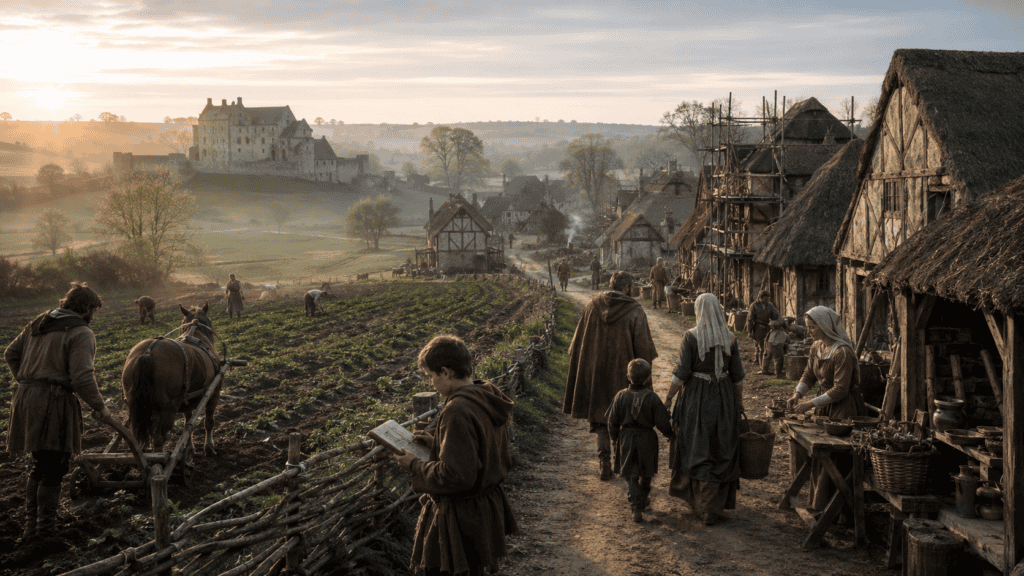
The devastation of the Black Death awakened a keen sense of personal responsibility among individuals. Surrounded by disease and uncertainty, many began to reflect on their choices and engage more actively in their fate. As people confronted the fragility of life, they understood the importance of taking charge of their destinies.
This burgeoning sense of agency transcended mere survival; it inspired individuals to pursue knowledge, engage in the community, and advocate for systemic changes. People sought to shape their lives, driven by the notion that individual efforts could encourage progress. This newfound consciousness resonated deeply across various facets of society, from healthcare to education to governance.
At the same time, the impact of personal responsibility extended to communal dynamics. Individuals became more aware of their role within the wider society, prompting a shift towards collective action. The spirit of cooperation that emerged fuelled initiatives aimed at addressing social inequities and public wellbeing. As communities confronted the lingering shadows of the plague, the benefits of unity and collaboration became increasingly evident.
This awakening culminated in a collective journey towards self-determination. As people recognised their agency, they began advocating for rights and responsibilities, setting the stage for future transformative movements, including calls for social justice and equality.
The Death of the Old World
Crumbling Feudal Structures
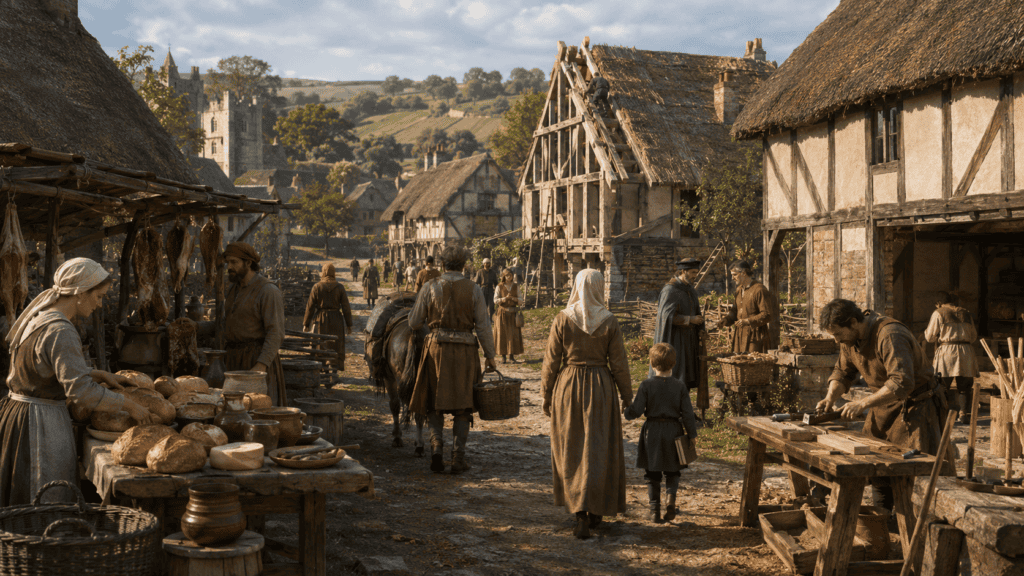
As the repercussions of the Black Death unfolded, the feudal system, long thought to be the cornerstone of medieval society, began to dismantle. A generation that had lived through the astounding loss of life saw that the old ways of governance were faltering. The massive labour shortages undermined the authority of landlords, de- centralising power over land and societal structures.
As serfs gained bargaining power, many successfully negotiated better wages and conditions. The weakening of feudal obligations allowed for fluidity in social mobility, enhancing the assertion of rights among the lower classes. In certain cases, the sheer necessity for labour drove landowners to offer more equitable terms to retain workers, thus gradually eroding the rigid class structures of the past.
The social transformations facilitated by the Black Death ignited discussions about governance and representation. Discontent with the existing structures prompted challenges to the authority of the ruling class. Peasants and their advocates began clamouring for rights and reform, leading to events like the English Peasants’ Revolt of 1381. The societal shifts that arose from the plague ultimately contributed to a slow but steady metamorphosis towards modern governance.
As the old world crumbled, a sense of redefinition flourished. People began to seek alternatives to feudalism, pressing for new ideals that emphasised democratic representation, autonomy, and personal rights. The society transformed as individuals sought to craft a world grounded in equity, accountability, and shared progress.
New Political and Cultural Ideas
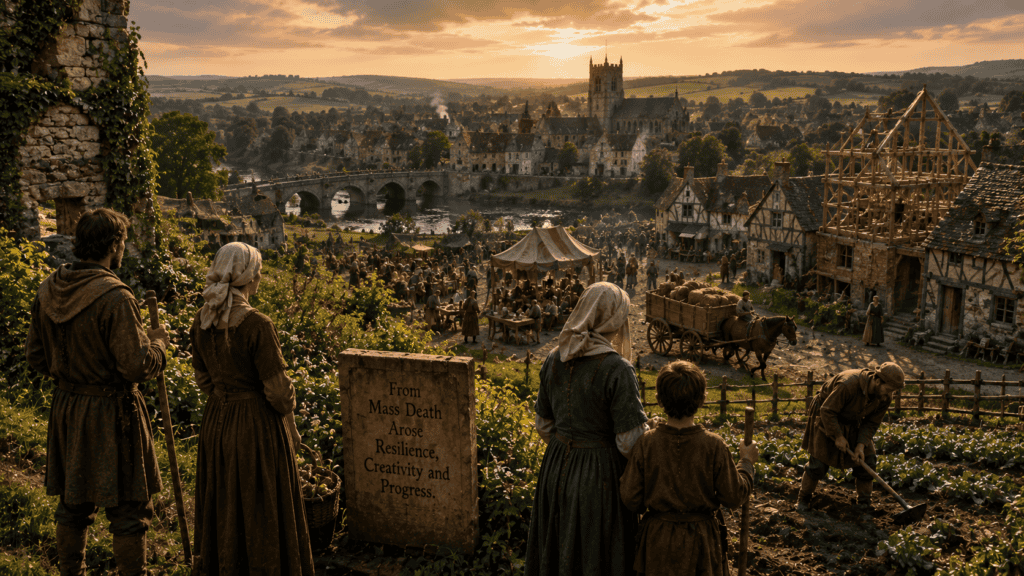
Amidst the seismic shifts caused by the Black Death, new political and cultural ideas began to take root. The events crystallised perceptions of governance and societal structure in ways that would long outlast the immediate aftermath of the plague. In this fertile ground, concepts like human rights, representation, and civic responsibility began to emerge, paving the way for more inclusive political systems.
Instead of accepting authority blindly, individuals began questioning leadership and governance, searching for legitimacy grounded in consent and communal interests. The philosophies that arose from the ashes of despair created frameworks more aligned with humanist ideals, emphasizing the value of the individual as a member of society. Writers like Erasmus and Machiavelli would later contribute to these debates, reflecting the ongoing struggle for a more equitable political landscape.
As societal structures reformed, the burgeoning ideas sparked cultural revolutions. The arts and sciences blossomed in this new environment, as individuals sought to explore human experience and challenge established norms. The profound changes prompted an outpouring of creative expression that would define the Renaissance, showcasing the resilience and creativity born from tremendous adversity.
Over the following centuries, the political and cultural ideas birthed from the Black Death led to significant movements, including the Reformation and the Age of Enlightenment. Ultimately, the challenge to traditional authorities laid the groundwork for new frameworks of governance rooted in civic engagement, shared values, and the fundamental dignity of the individual.
Conclusion
Reflection on Historical Impact
The Black Death was not merely a historical event; it acted as a transformative catalyst that redefined society in myriad ways. While it irrevocably changed the landscape of Europe through the immediate loss of life, its lasting impact extended far beyond the grave. The social, economic, and cultural shifts that occurred ushered in an age of enlightenment, setting the stage for modernity in ways that are often underappreciated.
In examining the layers of change wrought by this unimaginable tragedy, we gain a deeper understanding of human resilience. The pandemic challenged individuals, communities, and authorities alike, ripping apart old structures while planting the seeds of hope and progress. It is crucial to appreciate the legacy of the Black Death as not merely an episode of horror, but as a defining moment that illuminated the complexities of existence, human rights, and public health.
Looking back at the Black Death reminds us that monumental change often arises from profound suffering. It captures the enduring human spirit, igniting transformations that resonate through time, paving the way for a more engaged, empathetic, and robust society. As we navigate current global challenges, the lessons learned from this historic plague continue to echo, urging us toward unity, understanding, and a shared commitment to our collective wellbeing. The Black Death’s story remains a poignant reminder of how care and collaboration can emerge from even the darkest of times.