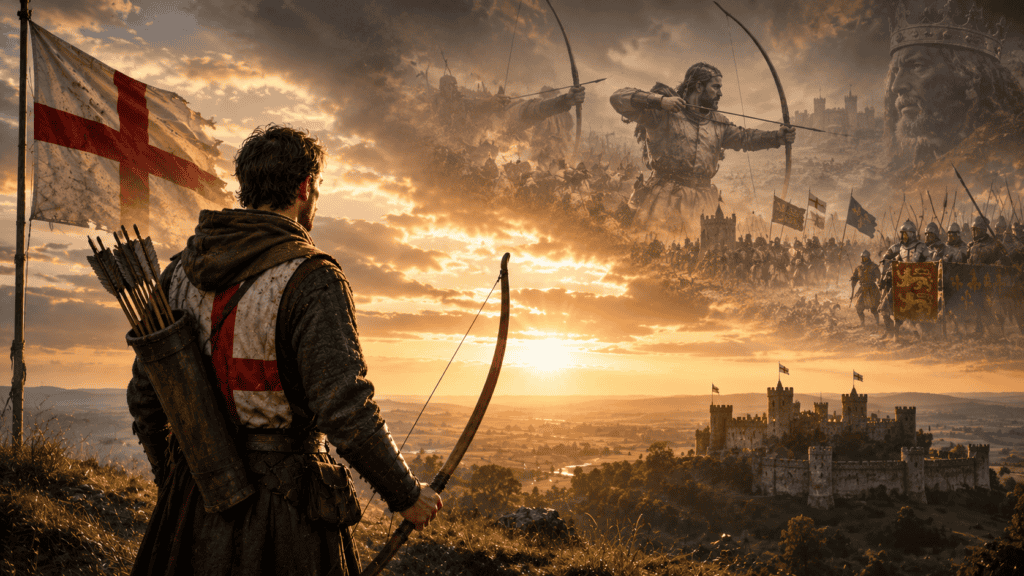

The Hundred Years’ War, spanning from 1337 to 1453, is often perceived as merely a long, drawn-out conflict between England and France, with skirmishes and territorial disputes. However, this war was much more than just a series of battles. It was a transformative period that shaped not only the political landscape of both nations but also the fabric of medieval society. Understanding its implications sheds light on how warfare evolved and the long-lasting consequences that emerged from this relentless struggle.
Examining this war reveals crucial insights into the alliance systems, military innovations, and sociopolitical shifts that occurred. The outcomes were not confined to just military results; they shaped national identities, economies, and social structures for generations to come. The impact of the Hundred Years’ War resonates through history, laying the groundwork for modern European politics and international relations.
Professor Steven Carmichael tells the story of the Hundred Years’ War that fundamentally reshaped England and France.
The Players and Their Goals
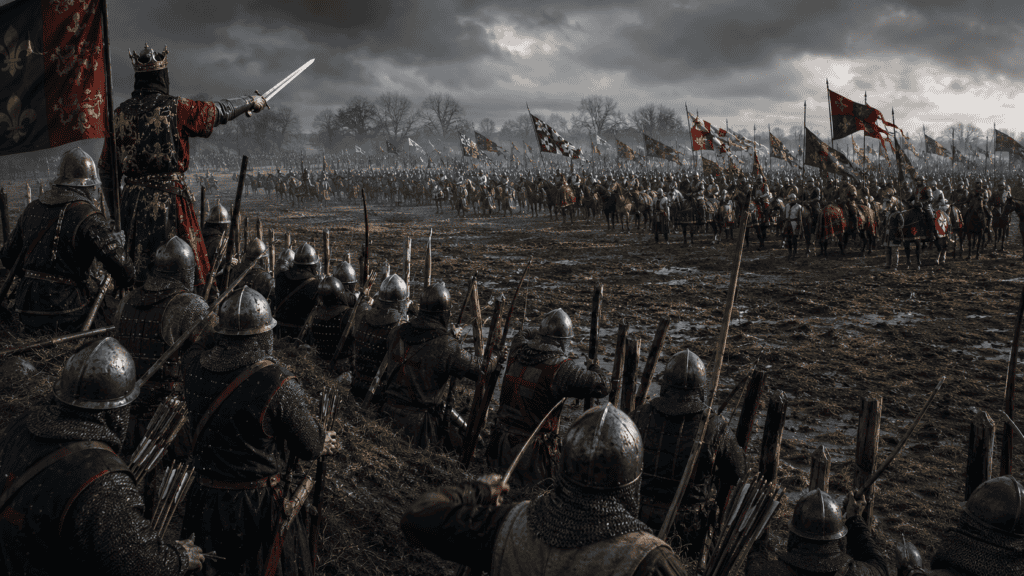
Key figures abound in the narrative of the Hundred Years’ War. Among them, Edward III of England and Philip VI of France stand prominent. Edward III, aspiring to seize the French crown through claims traced back to his mother, aimed to consolidate power and land. Conversely, Philip VI, representing a nascent centralised French state, sought to unify his fractured realm under the Valois dynasty’s banner. Their personal ambitions were tied to larger national interests, with each king rallying their respective subjects to bolster their cause.
The feudal system played a vital role in the ambitions of both nations. Lords and vassals had their vested interests; they were compelled to support their monarchs, often at great personal cost. This system, while antiquated, dictated much of the strategy employed during warfare. Loyalty to feudal lords meant that armies largely consisted of knights and foot soldiers who were bound to defend their lands. Yet, as the conflict wore on, the rigid structures of feudalism began to evolve, revealing cracks that would later facilitate the rise of more centralised states.
The Tactical Shifts in Warfare
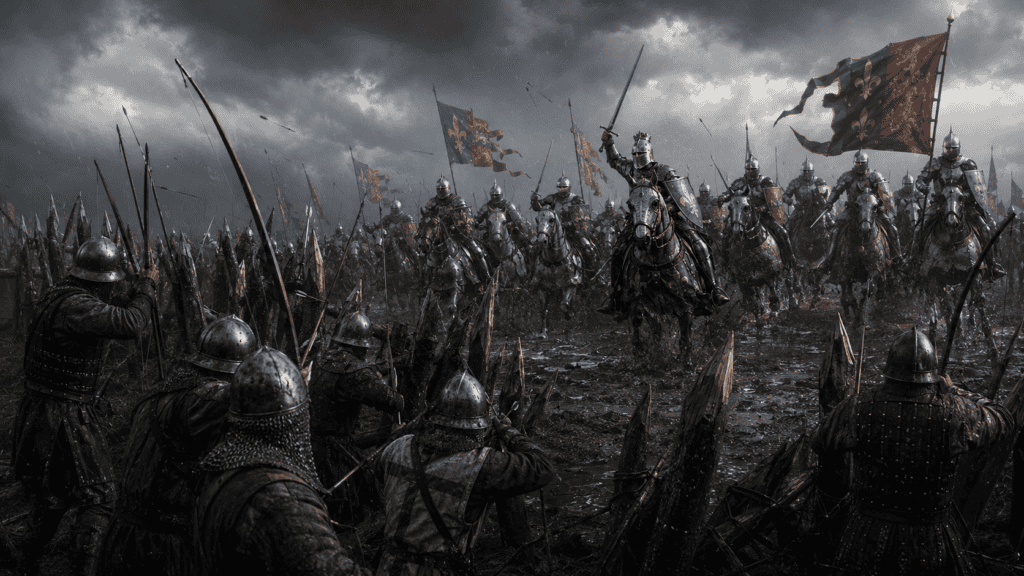
The Hundred Years’ War witnessed significant shifts in military tactics. Initially, battles were largely dominated by the traditional knightly cavalry. Armoured knights charged into battle, relying on their strength and honour. However, as the conflict progressed, strategies adapted to the realities of prolonged engagements. New formations began to emerge, showcasing the flexibility and creativity of commanders who understood the need for evolution.
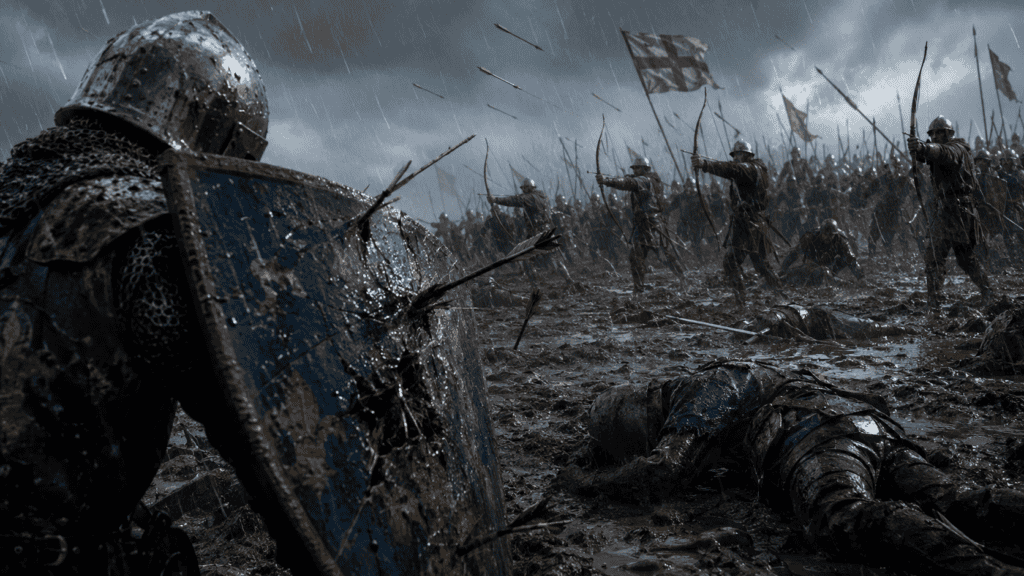
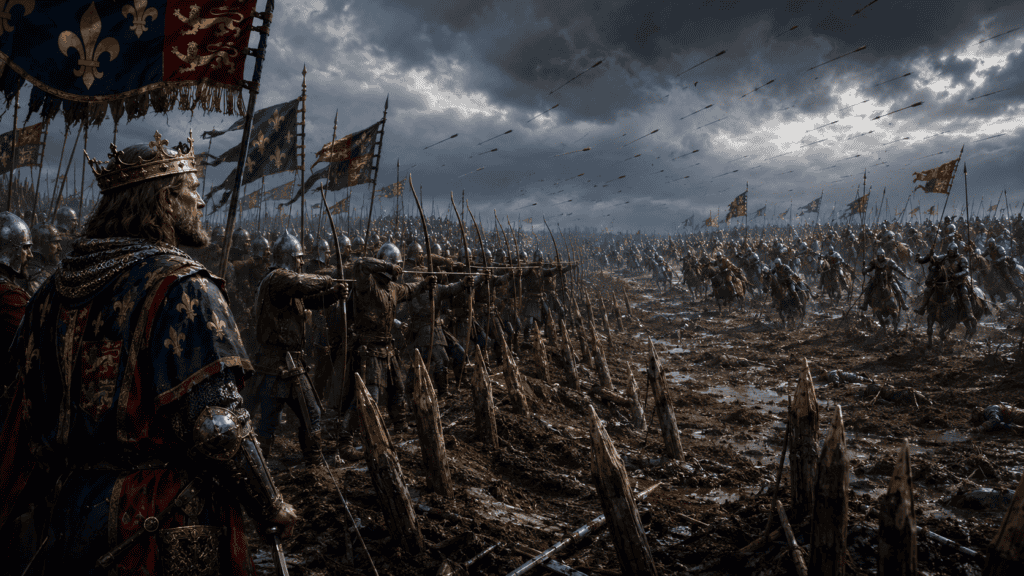
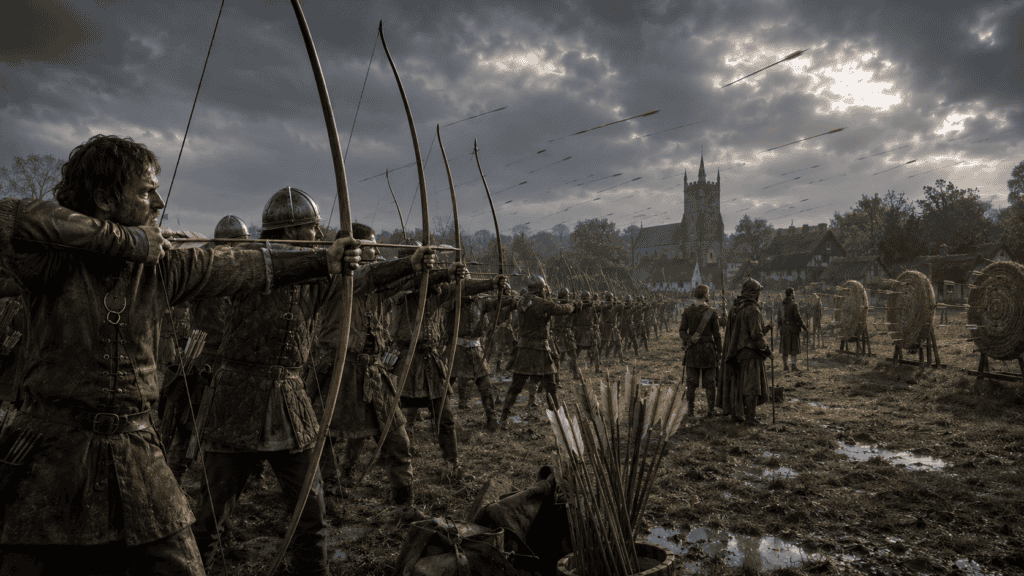
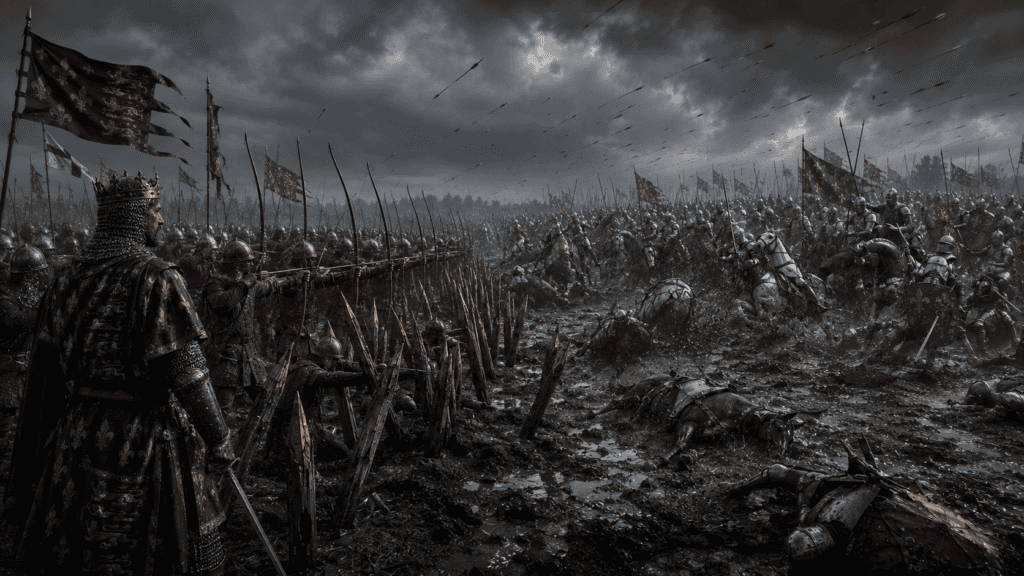
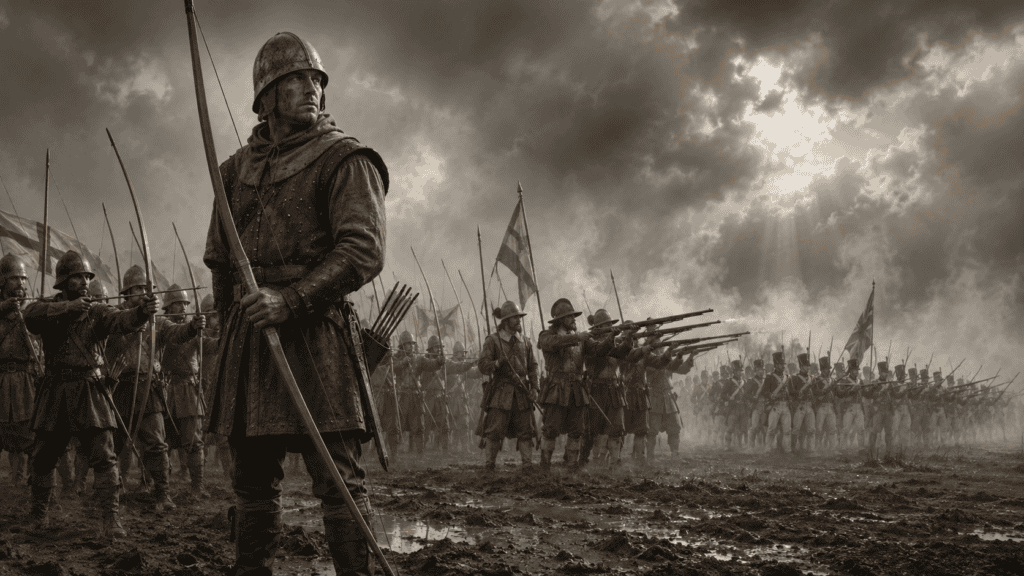
One of the most transformative elements of warfare in this era was the introduction and effective use of the longbow. English archers earned a formidable reputation, capable of shooting arrows with remarkable accuracy at considerable range. The Battle of Crécy in 1346 is often cited as a defining moment, demonstrating how a well-disciplined force of longbowmen could decimate an advancing French cavalry. This marked a shift from heavy cavalry to infantry-centric tactics, showcasing how technology could redefine the battlefield.
Castles and Siege Warfare
Castles served as vital strategic assets during the Hundred Years’ War. Their imposing structures offered safety and control over surrounding lands, making them targets for sieges. The architectural advancements in castle design led to formidable fortifications, adaptable to withstand protracted assaults. As the war persisted, capturing or besieging castles became both a tactical necessity and a demonstration of military prowess.
Siege warfare underscored a new dimension of conflict, where investing time and resources became paramount. Commanders soon realised that a well-planned siege could yield better results than an outright battle. Strategies evolved to include blockade tactics, psychological warfare, and the slow attrition of resources. The sieges of Calais and Rouen exemplified how devastating and strategic these campaigns could be, with steep costs to both the besiegers and the besieged.
The Role of Technology and Innovation
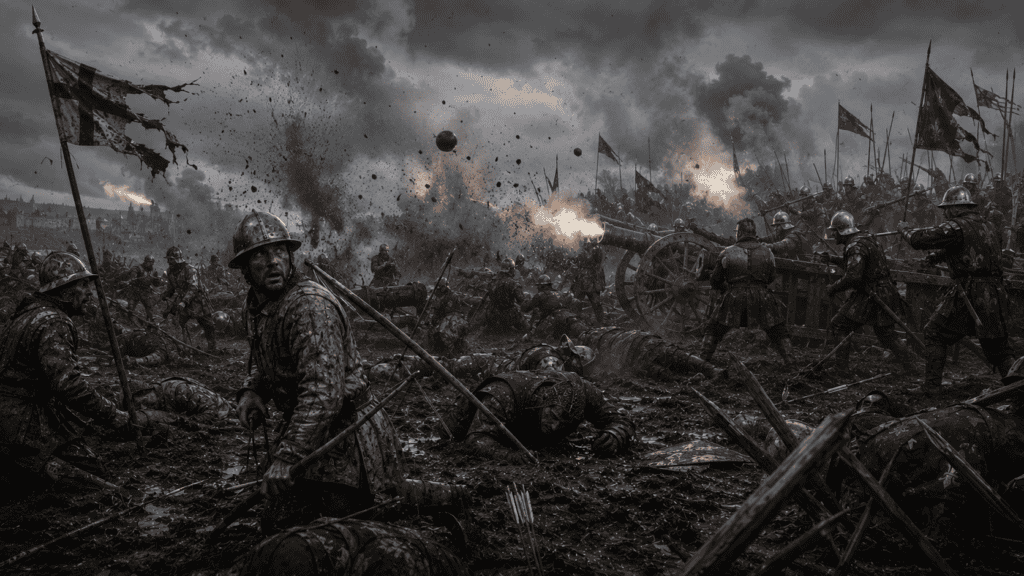
Technological advancements during the Hundred Years’ War cannot be overstated. Innovations were not limited to weaponry. The introduction of gunpowder in the later stages of the conflict marked a pivotal turning point in siege tactics and battlefield engagements. Artillery pieces, such as cannons and bombards, began to replace traditional siege engines and radically changed how fortifications were approached.
The influence of artillery on military strategy was profound. Armies adapted to incorporate these new weapons into their tactics, often leading to swift and decisive victories by overcoming even the most robust of fortifications. The evolving landscape of warfare was no longer solely reliant on the chivalric ideals of combat; it became a complex interplay of technology, strategy, and sheer numbers.
The Socio-Economic Impacts
The prolonged nature of the Hundred Years’ War had dire economic consequences for both England and France. Continuous campaigns drained royal treasuries and placed immense burdens on peasant populations. Crop failures and military requisitions exacerbated suffering, creating discontent among the populace. The social fabric began to change as communities struggled with famine, taxation, and the loss of manpower due to ongoing conflict.
Moreover, the war served as a catalyst for shifts in social structures. As resources became scarcer, traditional hierarchies started to blur. Soldiers from lower social classes found their contributions more recognised, leading to a gradual erosion of the rigid class system that defined feudal society. This evolution sparked early notions of citizenship and communal identity, forming the bedrock for future societal changes that would emerge in the wake of the conflict.
The Influence of Joan of Arc
No narrative of the Hundred Years’ War is complete without the mention of Joan of Arc. Emerging from the rural landscape of France, her conviction and courage inspired not just the French army but the entire nation. Claiming divine guidance, she played a monumental role in revitalising a beleaguered French cause, particularly at the Siege of Orléans in 1429.
Joan’s influence was as much about her ability to rally troops as it was about her symbolic significance. She embodied the spirit of nationalism and hope, galvanising support for a cause that seemed nearly lost. Ultimately captured by the English, her trial and execution became martyred tales, serving to amplify her legacy as a symbol of resistance and the fight for national sovereignty. In many ways, she transcended her time, leaving an indelible mark on the cultural memory of France.
National Identity and Unity
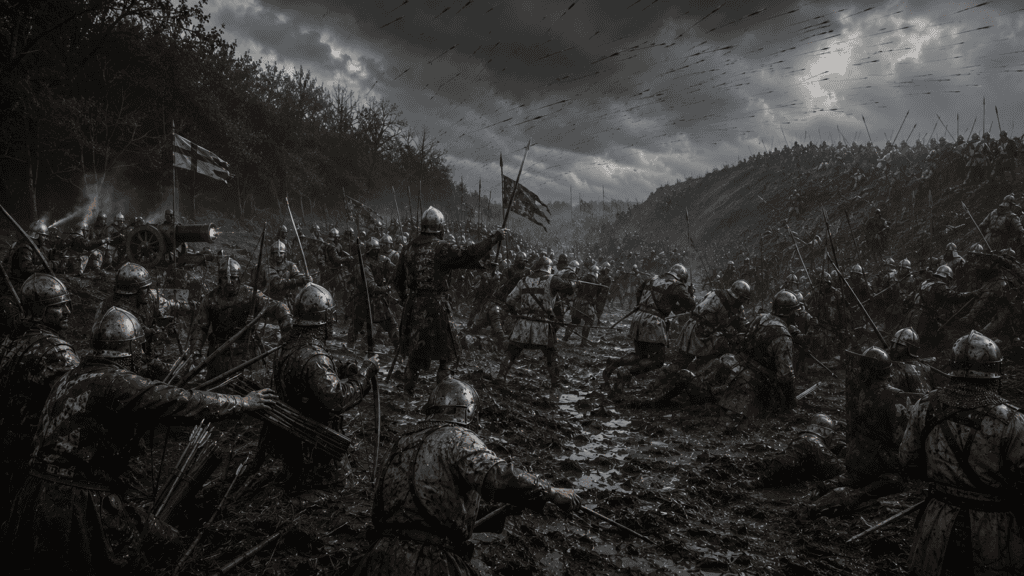
The Hundred Years’ War played a crucial role in shaping national identities. As the conflict progressed, both England and France began to move away from feudal loyalty towards burgeoning concepts of nations. Multiple victories and defeats, along with shared tragedies, fostered a sense of collective identity among citizens. For France, this meant uniting the people against a common enemy; for England, it fostered a growing sense of nationalism that would resonate for centuries.
The notion of a nation state began to crystallise. While kings and feudal lords had once wielded the power, the war gave rise to a new awareness among subjects. Those living in England or France began to see themselves as part of something larger than just a local lord’s domain. This realisation had profound implications for governance and collective identity, sowing the seeds for future political movements.
The Legacy of the Hundred Years’ War
The outcomes of the Hundred Years’ War were far-reaching. It concluded with significant territorial losses for England and a shift in the balance of power towards a more centralised French state. This transition marked the decline of feudal strongholds and the ascent of stronger royal authority in both nations. The war ignited debates over governance, representation, and rights, establishing precedents that would echo throughout European history.
In terms of societal change, the decades following the war catalysed various innovations. The creation of more efficient military and economic systems would emerge from the war’s lessons. Furthermore, the legacy of Joan of Arc and the experiences of common soldiers began to change how societies viewed heroism, shifting the focus from noble knights to committed citizens. This shift towards a more inclusive vision of identity and valour would reshape European society.
Conclusion: Reflecting on Its Significance
Understanding the Hundred Years’ War is indispensable for grasping its lasting relevance. It was not merely a conflict between two dynasties but a tumultuous period that forged national identities, redefined warfare, and altered the fabric of society. The legacies of military innovation, economic upheaval, and evolving concepts of citizenship continue to shape our modern world.
Broader implications for contemporary society resonate through the themes of nationalism, technology, and social change initiated during this complex period. As we reflect upon the Hundred Years’ War, we acknowledge the lessons it offers; lessons of resilience, unity, and the ever-changing landscape of human conflict. A deeper understanding of this historic war allows us to appreciate the bedrock on which modern Europe stands today.